
Mini Split Installation in Arkansas
Homes in Arkansas run cooling for more months of the year than in 34 of the other 49 states.
Tell us about the job
Takes about a minute. No obligation.
- 90°Fsummer afternoon high where people live
- 5 monthsof cooling, May through September
- 32°Fwinter overnight low where people live
- 7 monthsof heat, October through April
Hail and wind are the real risk A standard mini split handles it fine
- Southern counties need about 23% more cooling than northern ones
- Summer afternoons average 90°F where people live
- Winter nights average 32°F where people live
- Cooling runs May through September
- 3,423 damaging wind events from 2015 to 2024
- 24% of homes lost power a day or more in 2024


Homes here are ordinary, and so is the system they need
Half the homes in Arkansas were built in 1987 or later, so this is not an old housing stock to work around. Most of the state is detached single-family houses, the plainest case there is for a mini split. A mobile home needs a different approach, and that's 11 percent of homes here, but the large majority are standard construction. For a typical house, one wall-mounted or ducted unit sized to the room or the floor it serves is what the job calls for. Nothing about the homes here points toward a bigger system or a higher-end one.
Electricity heats more homes in Arkansas than any other fuel, at 53.7 percent, with utility gas next at 36.7 percent.
A mini split works alongside either setup, so adding one doesn't mean changing how the rest of the house is heated.

Taking out the old system is part of the install
What has to come out, get capped, or get rewired before the new unit goes in
Taking out the old equipment is part of the job, not an afterthought. If a window unit or a wall furnace is coming out, that opening has to be sealed properly, not just covered over. If there's an old ducted system feeding the room, the installer needs to decide whether those ducts stay in use or get capped off once the mini split takes over. A refrigerant line set from a prior install, if there is one, doesn't get reused. Old lines have the wrong diameter or fittings for new equipment, and whatever refrigerant is left in them has to be recovered properly, not vented. Any electrical circuit that served the old unit gets checked too. A mini split has its own power and disconnect requirements, and that's rarely the same circuit a window unit was running on. None of this is difficult work, but skipping it is how a new system ends up fighting an old problem it was never told about.
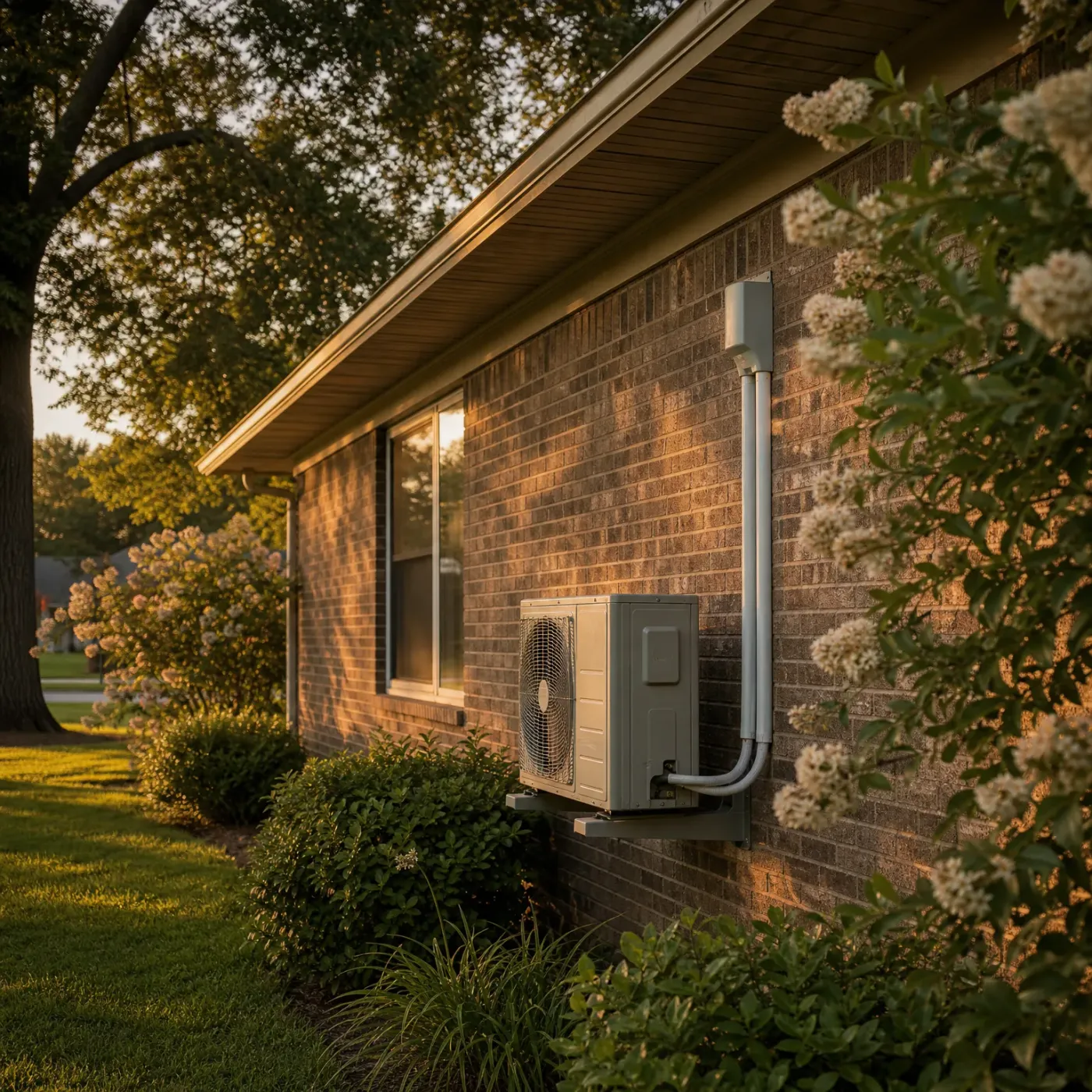
Cooling need isn't the same across the state. Homes in the southern counties need about 23% more cooling over a year than homes in the northern counties, and that's enough of a gap to matter when a system gets sized.
The widest spread is between two counties. Chicot County needs about 82% more cooling over a year than Newton County, which has the lowest cooling need in the state. A mini split sized for one would be the wrong call in the other.
Summer afternoons follow the same pattern. Miller County averages a 92°F high across June, July and August, the hottest in the state. Newton County averages 86°F, the mildest. Both are still hot summers, just not the same hot summer.
Statewide, the average summer afternoon runs 90°F, and homes here run cooling from May through September, longer than homes in most other states. The heat it's working against is higher than most of the country sees too.
None of this changes what kind of system a typical house here needs. It changes how that system gets sized, and sizing it to the county, not just the state, is what keeps it from running short in August or working harder than it needs to the rest of the year.
What does a mini split in Arkansas face?
How hot do summer afternoons get?
90°Faverage afternoon high where people live
Alaska66°F
Arizona101°F
How cold do winter nights get?
32°Faverage overnight low where people live
North Dakota4°F
Hawaii65°F
How many months does the cooling run?
5 monthsof cooling a year
Alaska0 months
Hawaii12 months
What does electricity cost?
12.32¢per kWh (kilowatt hours, the unit on an electric bill), what homes paid in 2024
North Dakota11.51¢
Hawaii42.86¢
How often do storms hit?
170severe weather events per county from 2015 to 2024
Alaska5
Wyoming1,057
How many homes lost power for a day or more?
24%of homes in 2024
Arizona7%
Maine54%
Get it in before May, not during it
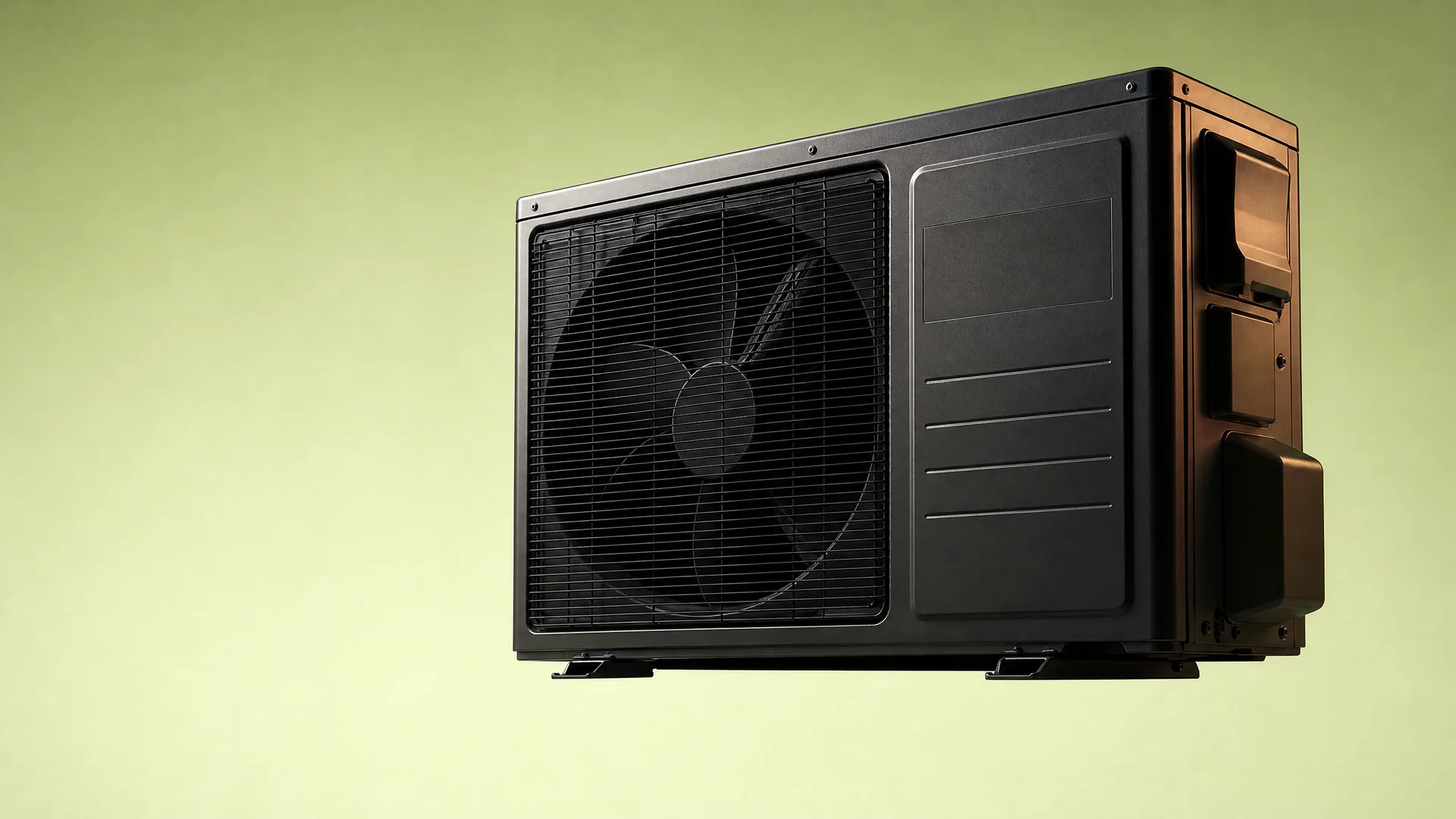
Cooling runs May through September here, so April is the month to get a new system in place. Do it then and the install happens on a normal schedule, with time to get the line set routed and the unit mounted right. Wait until the first hot week and you're getting a system installed under pressure, often with a window unit laboring in the meantime. The unit itself doesn't care what month it goes in. But a contractor with room to work does a more careful job than one trying to get a house cool again by Friday.
What to ask when comparing systems
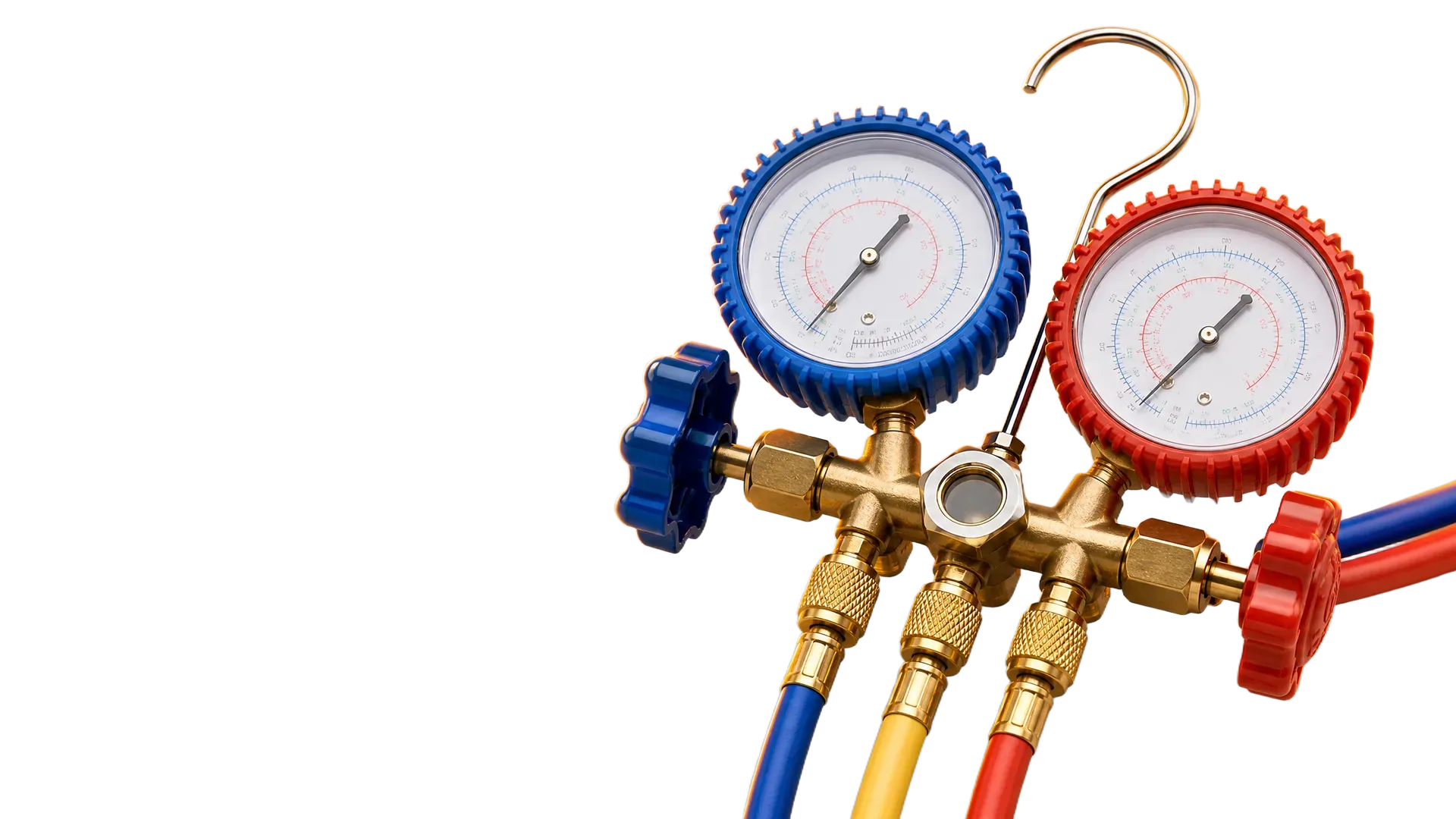
Ask whether the installer ran a load calculation on the room or the house, or just matched the old unit's capacity. Sizing by guesswork is how you end up with a system too big or too small for the space. Too big, and it short cycles, turning off before it pulls the moisture out of the air, so the room feels clammy even at the right temperature. Too small, and it runs constantly without ever catching up on the hottest days. Ask where the outdoor unit will go and why. It needs open air on all sides and a path to the indoor unit that doesn't bend the line set more than it has to, since every bend and every extra foot costs the system some of its efficiency. Ask how the line set length affects the refrigerant charge, since a longer run takes more than a short one, and that has to be measured, not assumed. Ask where the condensate drains once the unit is running. And ask whether someone checks refrigerant pressure and airflow after the install, not just mounts the unit and leaves. A system installed at the wrong charge can run for a long time before anyone notices, usually when the compressor fails early.
Sizing is a calculation, not a guess
Sizing starts with a load calculation, not a tape measure. Square footage is part of it, but so is which way the room faces, how many windows it has, what's above and below it, and how well it holds a temperature once it gets there. Rooms that look the same on paper can need different capacity. A contractor works through this room by room or for the house as a whole, and that number is what decides the system, not the capacity of whatever unit was there before. Get it wrong and the unit tells on itself. Oversized, it cools the air fast and shuts off before it has pulled the humidity down, so the room hits temperature but still feels damp. Undersized, it runs nearly nonstop and still loses ground on the hottest days. Sized right, it runs long steady cycles and keeps the room even, which is also easier on the compressor than starting and stopping all day.
More than half of Arkansas heats with electricity, and a mini split fits right alongside that setup.
Tell us about the job
Takes about a minute. No obligation.
Fill out the form and a licensed contractor who installs mini splits in Arkansas gets in touch.