
AC Installation in Arkansas
Homes in Arkansas run cooling for more months of the year than in 34 of the other 49 states.
Tell us about the job
Takes about a minute. No obligation.
- 90°Fsummer afternoon high where people live
- 5 monthsof cooling, May through September
- 12.32¢ per kWhwhat homes paid for power in 2024 (kWh means kilowatt hours, the unit on an electric bill)
- 2,017hail events from 2015 to 2024
What does an AC in Arkansas face?
How hot do summer afternoons get?
90°Faverage afternoon high where people live
Alaska66°F
Arizona101°F
How many months does the cooling run?
5 monthsof cooling a year
Alaska0 months
Hawaii12 months
What does electricity cost?
12.32¢per kWh, what homes paid in 2024
North Dakota11.51¢
Hawaii42.86¢
How often do storms hit?
170severe weather events per county from 2015 to 2024
Alaska5
Wyoming1,057
How many homes lost power for a day or more?
24%of homes in 2024
Arizona7%
Maine54%
What happens on installation day
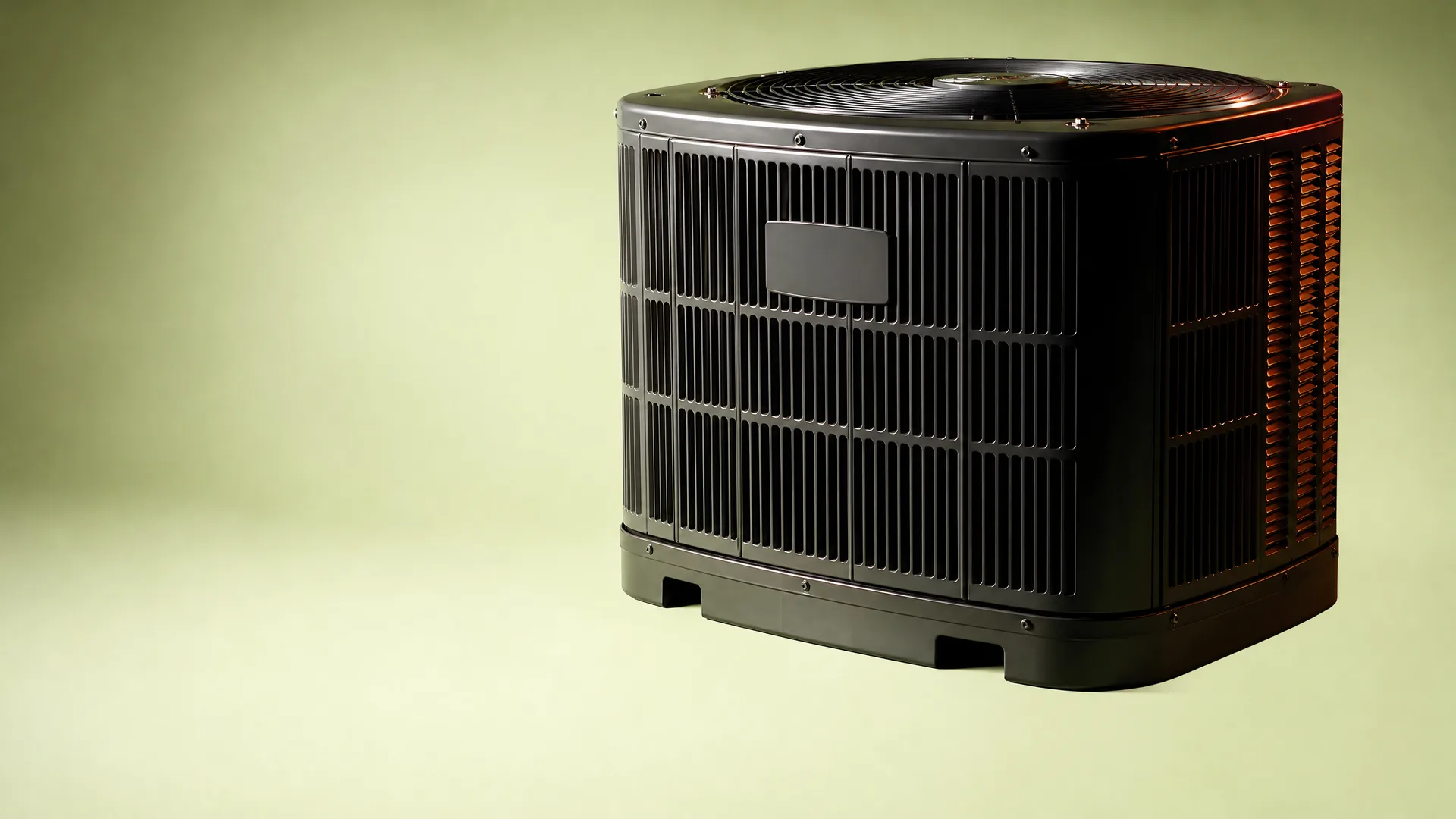
The old unit comes out first, and the installer checks what it's leaving behind. The line set, the pad outside, the ductwork tying into the plenum. If the new system is a different size or uses a different refrigerant than the old one, some of that has to change too, not just get reused. A new condenser goes on the pad and gets leveled, because a unit sitting crooked wears its compressor unevenly over time. Inside, the coil gets matched to the condenser. They're sold as a pair for a reason, and mismatched equipment runs worse and can void the warranty. The line set gets connected, pressure tested for leaks, then pulled into a vacuum to clear out air and moisture before any refrigerant goes in. Skip that step and moisture sits in the system, which leads to corrosion later. Once it's charged, the installer checks refrigerant levels against the target for that equipment, not just by feel. Then the whole system runs through a cycle while they check airflow at the vents, confirm the thermostat is talking to the new equipment correctly, and look for anything that still needs adjusting before they call it done.
More than half of homes in Arkansas heat with electricity, and over a third use utility gas.
Central air in this state almost always ties into ductwork that's already there, built around a furnace or heat pump that was chosen to match one of those fuels.

What the weather here does and doesn't change
What your new system needs to handle, and what it doesn't
Arkansas gets more hail than most of the country, and damaging wind has hit the state a few thousand times over the past decade. None of that changes what a new AC system needs to be. A unit sized correctly for your home handles what the weather here asks of it. There's no case for oversizing the equipment or paying for a higher efficiency tier than your house calls for. What matters is getting the size right and the installation done properly, the same as anywhere else.
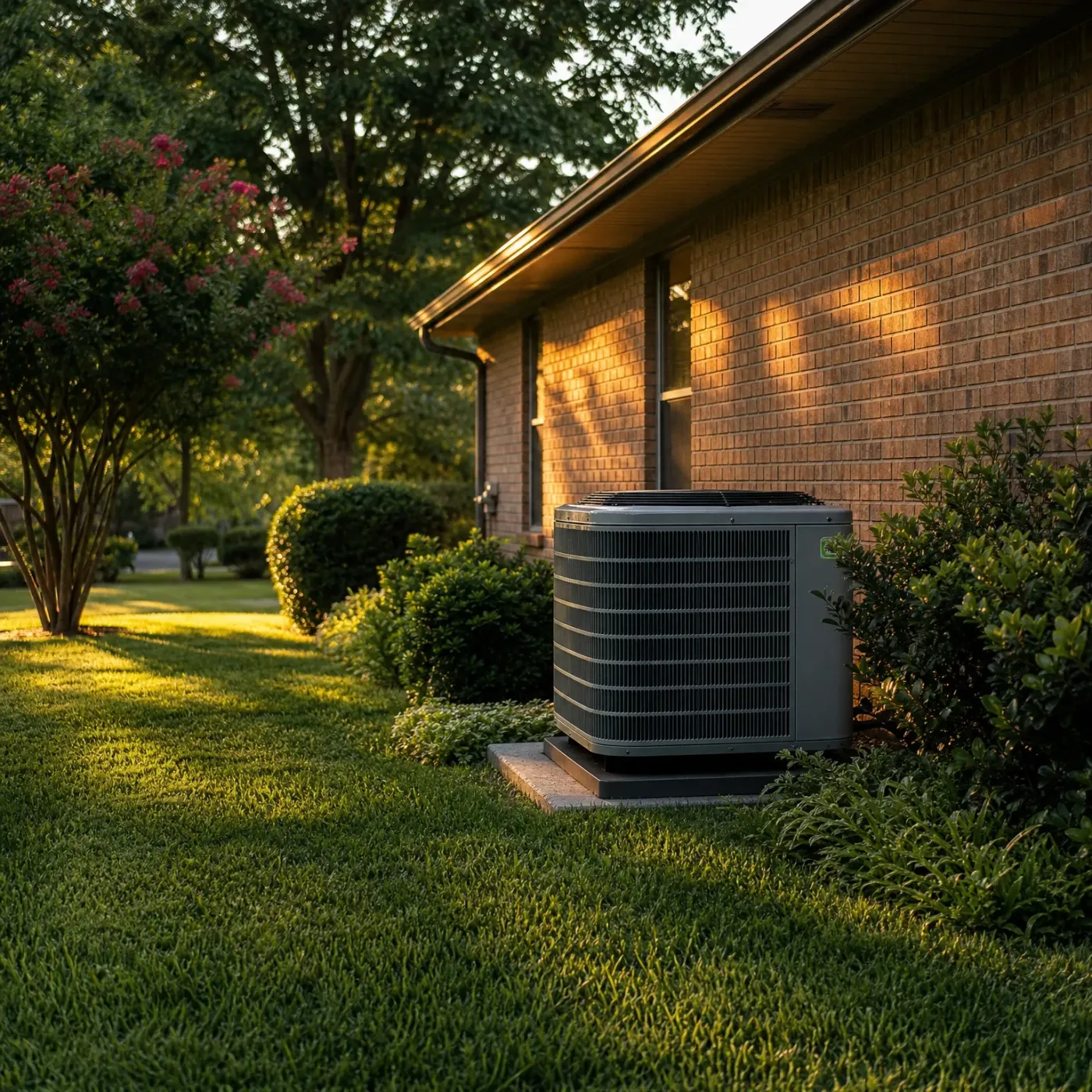
Cooling needs in Arkansas split by region. Homes across the southern counties need about 23% more cooling over a year than homes across the north. A system sized for a house in the north would come up short in the south, and the reverse installation would run more than it needs to.
The gap shows up most clearly between two counties. Chicot County needs about 82% more cooling over a year than Newton County, where the state's cooling need is lowest. Two homes of the same size, one in each county, call for different installations because the load on the system is different, not because the equipment should be.
Summer afternoons track the same way. Miller County averages a 92°F high across June, July and August. Newton County averages 86°F over those same months. That gap sits on the condenser day after day, all summer.
Statewide, the average summer afternoon runs 90°F, and homes here run cooling from May through September. That's a longer stretch than most states see, and hotter afternoons than most of them deal with too. An installer sizing a system in the south of the state is working against a heavier load than one sizing a system in the north.
Power is cheap here, payback is slow Fit and sizing matter more than tier
- Southern counties need about 23% more cooling than northern ones
- Summer afternoons average 90°F where people live
- Cooling runs May through September
- 2,017 hail events from 2015 to 2024
- 3,423 damaging wind events from 2015 to 2024
- 24% of homes lost power a day or more in 2024


- Even cooling room to room, not just near the thermostat, because the system was sized for the whole house
- The compressor isn't straining against the wrong charge, so it has a shot at its full lifespan
- Warranty coverage stays intact, since mismatched coil and condenser can void it
- Airflow at every vent gets checked before the installer calls it done
- Moisture gets pulled out of the line set before charging, so corrosion isn't starting on day one
What actually drives the cost
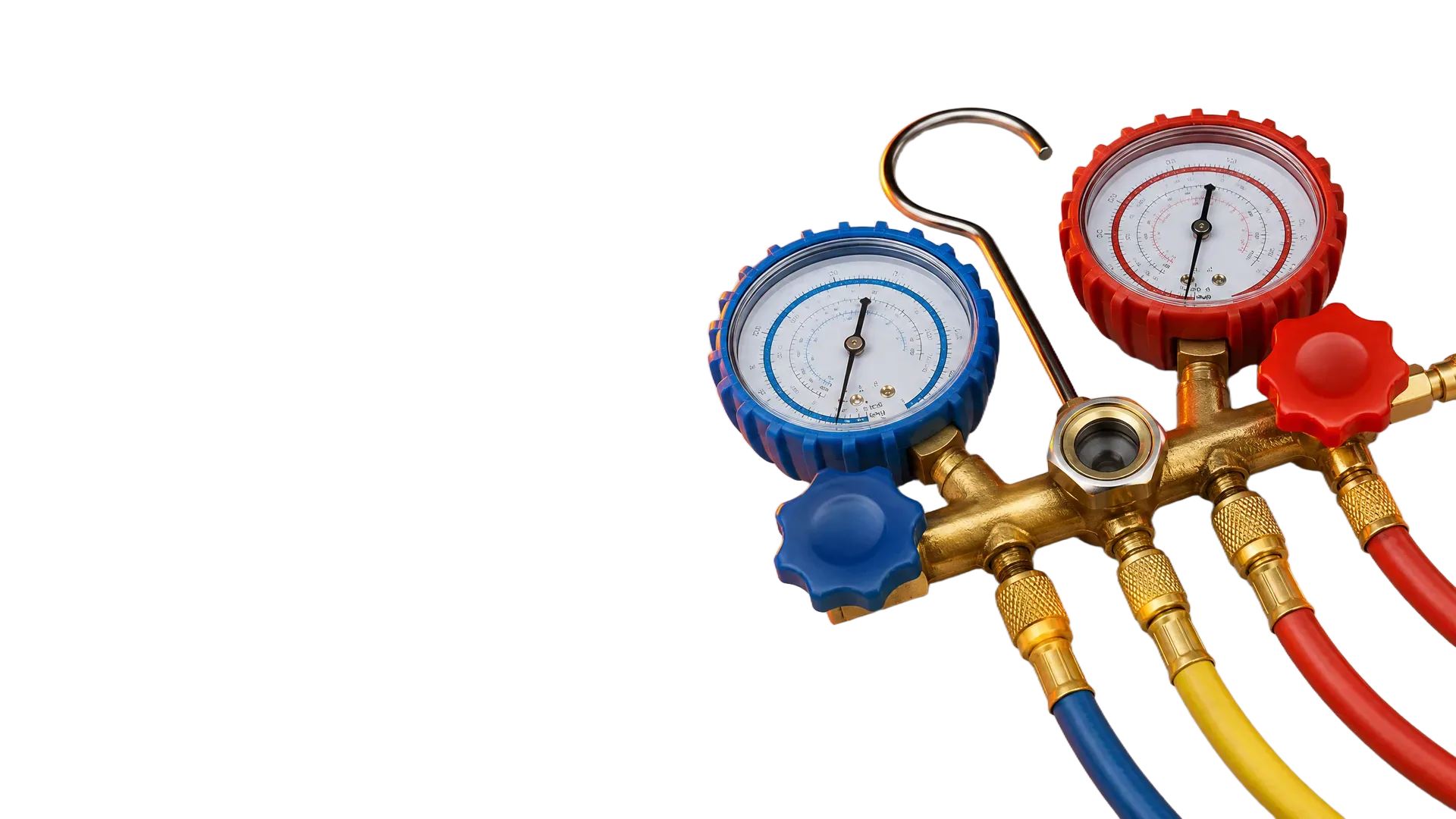
Load is the starting point. An installer works out how much heat your house gains on the hottest afternoons, from the walls, the windows, the roof, the people and appliances inside, and sizes equipment to match that number. Bigger isn't better here. A system that's too large cools the air fast and shuts off before it pulls humidity out, so the house feels clammy even at the right temperature. A system that's too small runs constantly and never quite catches up. Either mistake costs more to live with than the install itself. Ductwork plays into it too. If the existing ducts are too small or too leaky for the new equipment, air won't reach every room evenly no matter how good the condenser is, and that's work beyond just setting a new unit on the pad. Efficiency tier is a separate decision from sizing, and it only pays for itself if the system runs long and hard enough to use it. A correctly sized system, matched to ductwork that can actually move the air it produces, is what determines whether the installation works. Everything past that is a choice about how much you want to spend upfront versus over time.

Sizing starts with a load calculation, not a tape measure around the old unit. An installer works through the square footage, but also the ceiling height, how many windows face the afternoon sun, how much attic insulation is up there, and how many people usually fill the house. Homes that look alike from the street can carry different loads once all of that gets counted. Skip the calculation and guess from the nameplate on the old equipment, and you're just carrying forward whatever mistake was made last time, if there was one.
A system sized too big for the house will hit the thermostat's setpoint fast and shut off, which sounds like a win until you notice the air still feels damp. Cooling the air and pulling moisture out of it take different amounts of run time, and a short cycle only does the first one. Rooms farthest from the thermostat tend to feel the mismatch worst, running warmer or clammier than the room where the sensor sits. A correctly sized unit runs longer, steadier cycles, and that longer runtime is what actually dries the air out along with cooling it.
Summers here run long, hardest in the southern counties, and a system sized to your house gets you through them.
Tell us about the job
Takes about a minute. No obligation.
Fill out the form and a licensed Arkansas contractor will reach out to size the job and quote your installation.