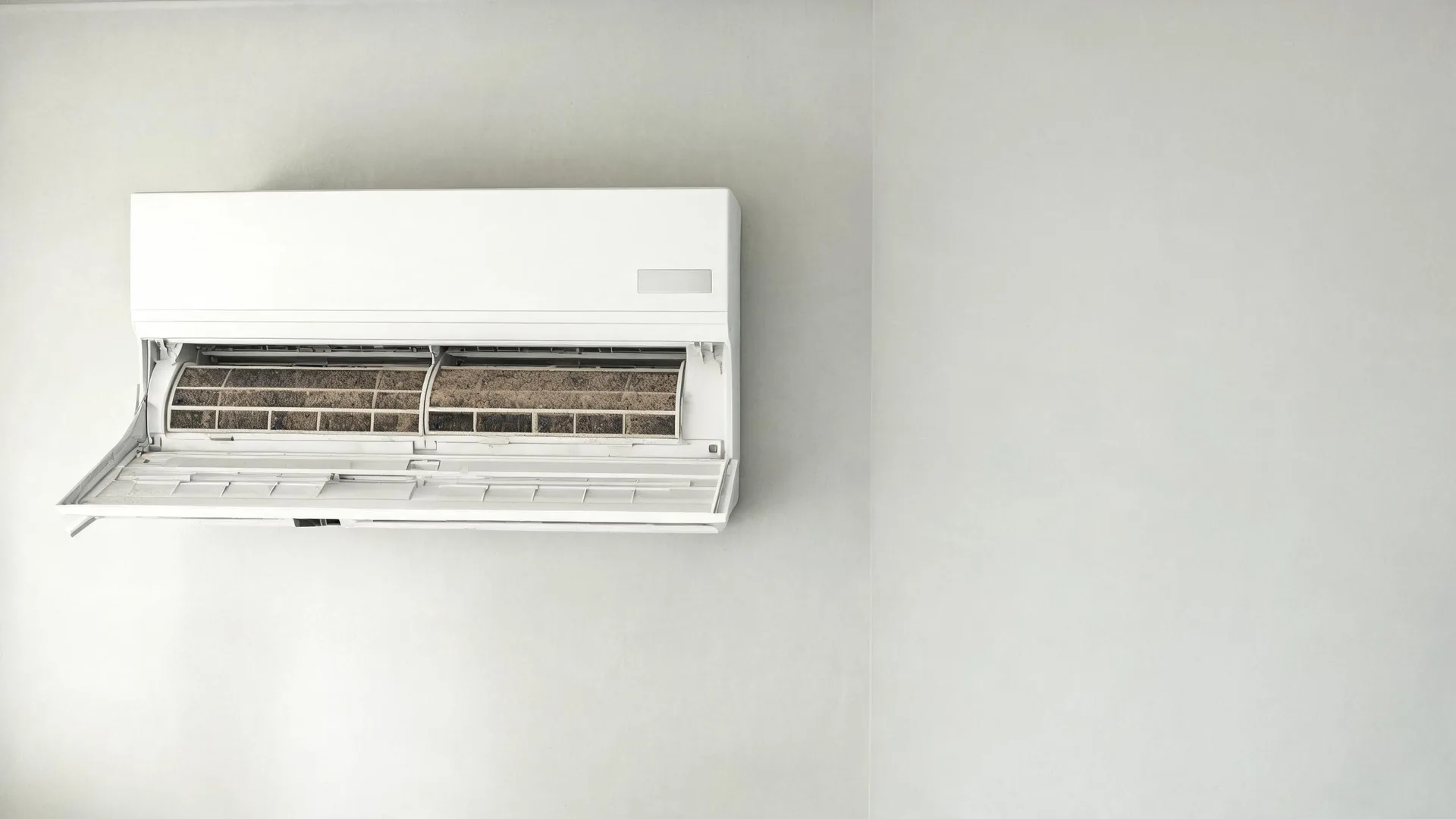
Most homes here run on electric heat
Electricity heats 58.2% of homes in Hot Spring County, far more than gas. A mini split fits right into that setup since it runs on electricity already, with no gas line to plan around.
Takes about a minute. No obligation.
Electricity heats 58.2% of homes in Hot Spring County, far more than gas. A mini split fits right into that setup since it runs on electricity already, with no gas line to plan around.
Utility gas heats 30.8% of homes here, with another 5.0% on propane. If your home is one of these, a mini split can still work as the cooling side or as backup heat, but the gas furnace or boiler stays in the picture too.
NOAA nClimDiv, 1991–2020 normals
Cooling runs May through September here, five months of the year.
A mini split sized for Malvern needs to handle that full stretch, not just a few hot weeks.



A standard mini split fits Malvern without any upsizing for storms or backup power. Hot Spring County sees damaging wind and hail most years, and the outdoor unit is built to take that, same as any condenser mounted outside. Power loss is the bigger issue regionally, with close to a quarter of Arkansas households going without power for a full day at some point in 2024. A mini split won't run without electricity any more than a central system will, so if that's a concern, it's worth raising with the installer before the unit goes in, not after.
A standard mini split, sized the normal way for this climate, is what fits here. Hot Spring County doesn't ask for anything extra in the equipment, and at 12.32 cents per kilowatt-hour, you're not paying rates that would push you toward a pricier, higher-efficiency unit to make the math work. Get a quote sized for your space and get it on the schedule.
Find a contractor
Half the homes in Hot Spring County were built in 1979 or earlier, half later, and a mini split run from day into night the same way in either one. The age of the house doesn't change what the outdoor unit has to do over a full day. What matters more here is that mobile homes make up 22.9% of the housing stock in the county. A mini split suits a mobile home as well as it suits a site-built one, since the install doesn't run new ductwork either way, just line between the outdoor unit and the indoor head.
The right size for a mini split comes from a load calculation that weighs window area, insulation, ceiling height and how many rooms the head has to cover. Homes with the same floor plan can need different size units once those factors are counted up. Skipping this step and sizing off square footage alone is how the wrong unit ends up on the wall.
A mini split that's too big cools the room fast and shuts off before it pulls the moisture out of the air, so the room feels cold and damp at once. One that's too small runs constantly and never quite catches up on the hottest days. The right size cycles on, runs long enough to dry the air, and shuts off, then does it again.
The number on the label, usually marked with a SEER2 rating for cooling and HSPF2 for heating, tells you how much output you get for the electricity you put in. A higher number means the unit is pulling more heating or cooling out of each unit of power, nothing more than that. It's not a measure of capacity, so a high-efficiency unit and a standard one can heat or cool the same size room. Where the rating earns its keep is in the electric bill, since a more efficient unit costs less to run over a season even when it costs more to buy. Whether that trade pays off depends on how many months a year the system runs and what power costs where you live, not on the number alone.
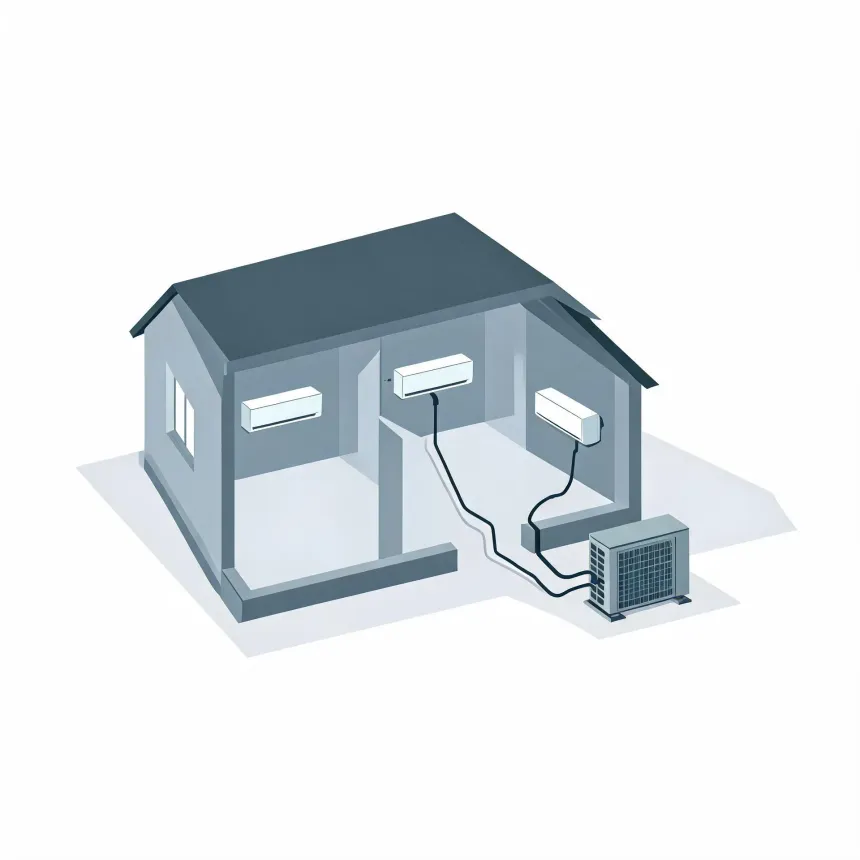
Install day starts with the outdoor unit and the indoor head going up, then the line set connecting them through a small hole drilled in the wall. That line carries refrigerant lines, a drain line and electrical wiring bundled together, so the hole only needs to be wide enough for that bundle, not a full duct chase. Once the lines are run, the system gets evacuated with a vacuum pump to pull out moisture and air, because any left behind ruins the refrigerant charge and the unit won't heat or cool right. After that it's charged with refrigerant to the amount the manufacturer specifies for that line length, tested for heating and cooling, and checked for a level mount and a clean drain run so condensation doesn't back up into the wall.