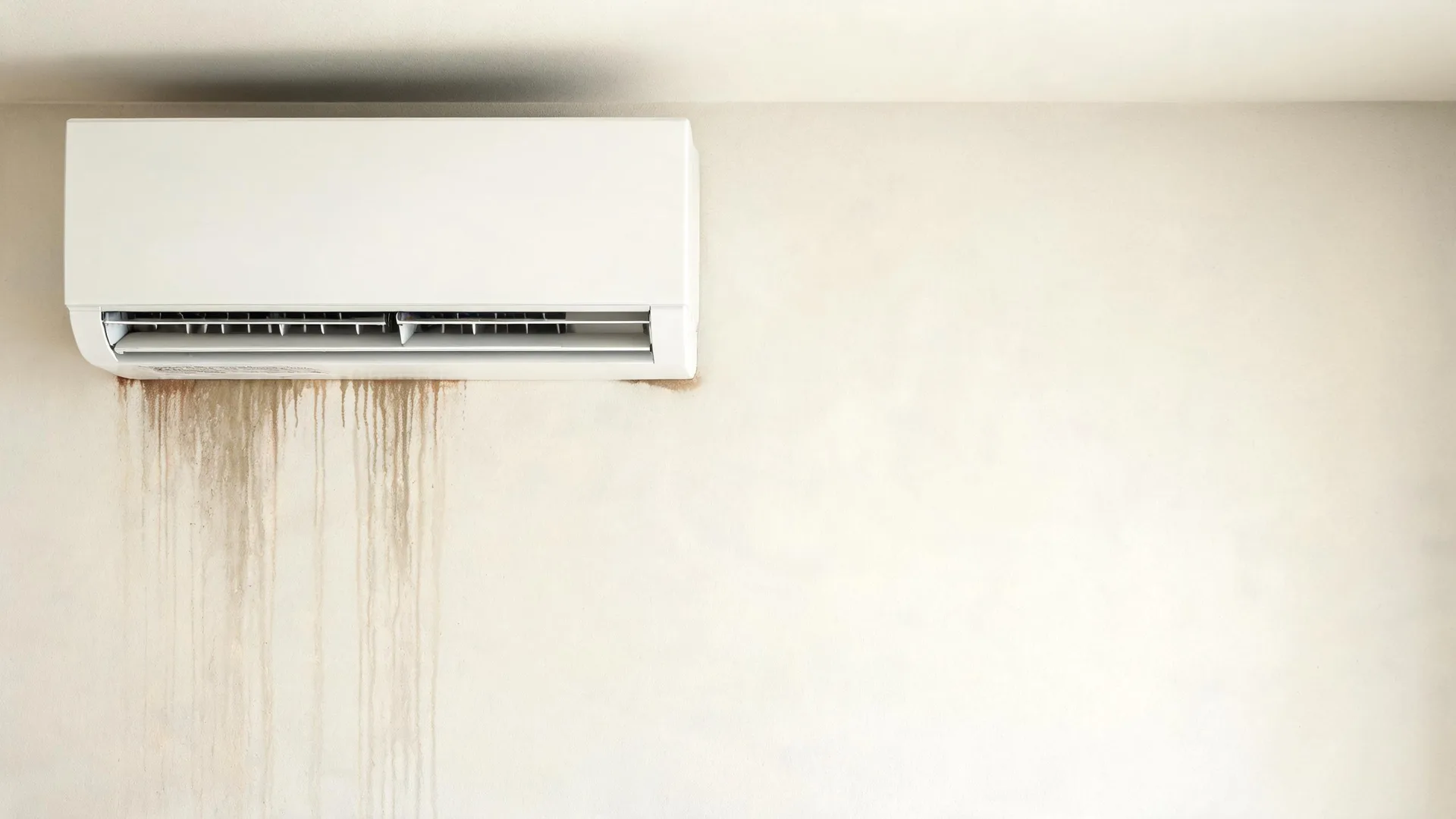
Most houses here run on electric heat
63.8% of homes in Conway County heat with electricity, against 21.7% on utility gas and 6.4% on propane. A mini split fits into that picture without asking for a gas line or a new tank.
Takes about a minute. No obligation.
63.8% of homes in Conway County heat with electricity, against 21.7% on utility gas and 6.4% on propane. A mini split fits into that picture without asking for a gas line or a new tank.
A mini split installer here is usually working with a panel and some wiring, not running new gas piping. For a Morrilton homeowner comparing quotes, that's one less system to size and one less trade to bring in.
NOAA nClimDiv, 1991–2020 normals
Cooling runs May through September here.
April is the month to get a mini split installed, before the first warm week fills up every installer's schedule.



A mini split here runs cooling five months straight, May through September. Afternoon highs average 91°F through June, July and August, so the system is working near its limit on most summer days, not just a handful. That's a longer, harder stretch than a lot of the country asks of one. Size it to the house, not to the lowest quote. A unit that's undersized will run flat out all summer and still struggle to keep up on the hottest afternoons, and one that's oversized cycles too much and wears its parts faster. Either mistake shows up sooner in a climate like this one.
Electricity in Arkansas runs about 12.32 cents a kilowatt-hour, cheaper than most of the country. That means a high-efficiency mini split takes longer to earn back its extra cost here than it would somewhere with pricier power. Running cost shouldn't be what decides this. Sizing it right for your house, and picking a unit an installer can service without trouble, matters more than squeezing out another efficiency point.
Find a contractorHalf the homes in Conway County were built in 1984 or earlier, half later. That split doesn't change what size mini split a house needs. Sizing comes down to square footage, insulation and layout, not the year on the permit. Mobile homes make up close to a fifth of the housing here, and those do call for their own sizing rules and often a specific mounting setup, worth raising with an installer up front. Outside of that, nothing about the housing stock here pushes toward a bigger unit or a pricier one. A mini split sized to the house will do the job whether the house is old or new.
The rating is an average of how much cooling a mini split delivers for the electricity it uses over a whole season of mixed mild and hot days. On the hottest days, when the system runs flat out, it operates well below that average number. A high rating doesn't mean the unit sips power all summer. It means the average comes out favorable once the mild days are counted in.
The efficiency rating only holds up if the mini split is sized and installed to match the house. An undersized high-efficiency unit still runs constantly and still struggles on the hottest days. An oversized one still short cycles and wears out its parts early, rating or no rating. Compare units on the rating after sizing is settled, not before.
Sizing a mini split starts with a load calculation, not a tape measure around the walls. A contractor looks at square footage, but also ceiling height, window placement, and how many exterior walls a room has. A room facing full sun needs more cooling than one the same size that doesn't, even though they'd measure the same. The output has to match what the house actually loses and gains, not get rounded up for safety. People assume bigger is safer, but a mini split that's too big cools the room fast and shuts off before it pulls the moisture out of the air, so the room feels cold and still damp. One sized correctly runs longer, steadier cycles and actually dries the air while it cools. The same math applies whether it's one zone or several, each head sized to the room it serves rather than the system sized to the house as a whole.
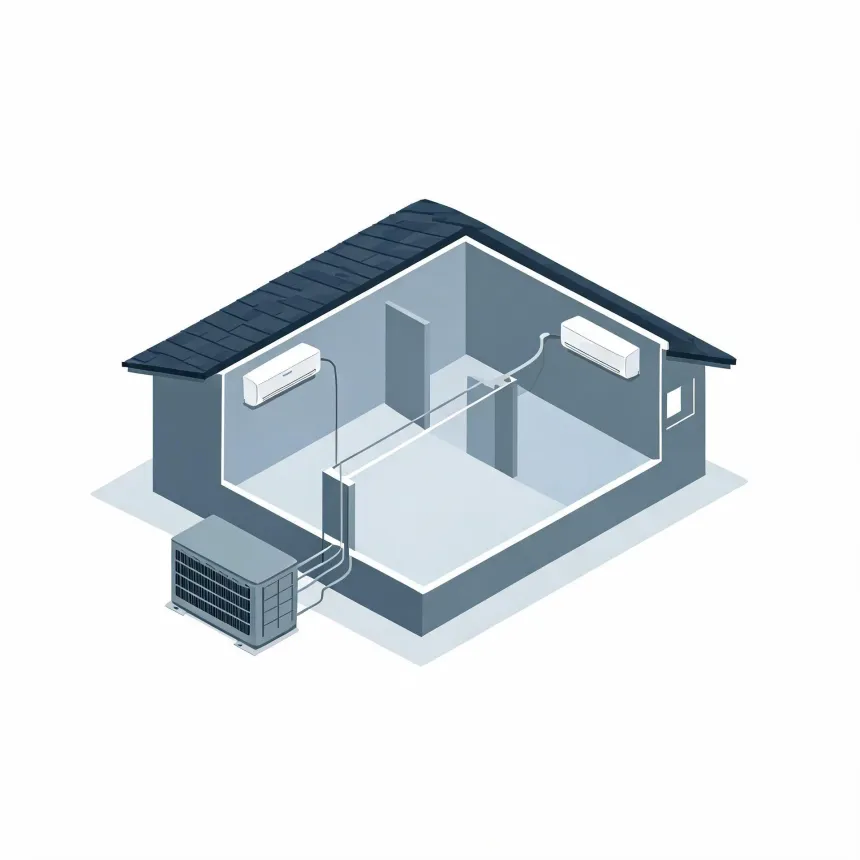
Installation day starts before anyone touches a wall. The outdoor unit needs a spot with clear airflow on all sides and a clean path for the line set to reach each indoor head. Inside, the installer mounts a bracket, drills a small hole through the wall for the refrigerant lines, the condensate drain and the electrical wiring, and runs them through to the outdoor unit. Once everything's connected, the line set gets evacuated with a vacuum pump to pull out air and moisture before the refrigerant is released into the lines. Skip that step or rush it and the system can develop a leak or lose efficiency within the first year, even though it'll seem to run fine on day one. After that the installer checks refrigerant charge, tests each head for proper airflow and temperature drop, and walks through the remote or thermostat controls before leaving.