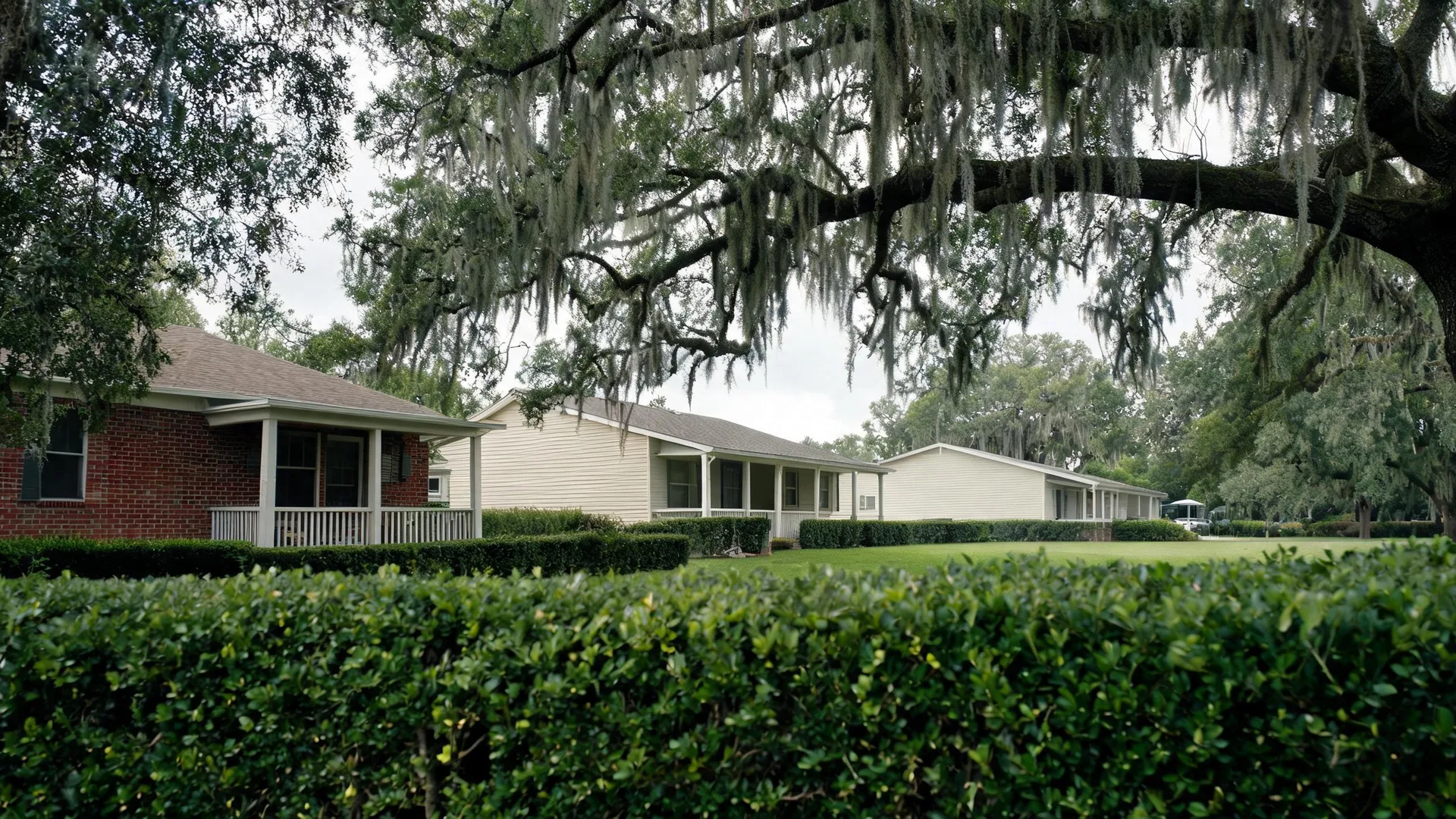





Single-story buildings with pale siding and one brick section with a covered porch stand behind a trimmed hedge and lawn, under a large moss-draped oak branch.

Mini Split Installation in Batesville, AR

Tell us about the job

Takes about a minute. No obligation.

New system or replacementMini-splitIndependence County, AR
Step 1 of 2

What ZIP code is the job in?

Electricity heats 55.8% of homes in Independence County, more than gas and propane combined. A mini split runs on electricity, so it fits the wiring already in most houses here instead of asking for a new gas line. That makes it a straightforward swap for a home with electric heat now, and a clean option for a room that never had ductwork run to it. Utility gas serves 26.2% of homes and propane another 13.1%, but for most homeowners here the electric panel is already set up for this kind of system.

7 months
October through April, your system heats
5 months
May through September, it cools
31°F
the average winter night it heats against
89°F
the average summer afternoon it cools against
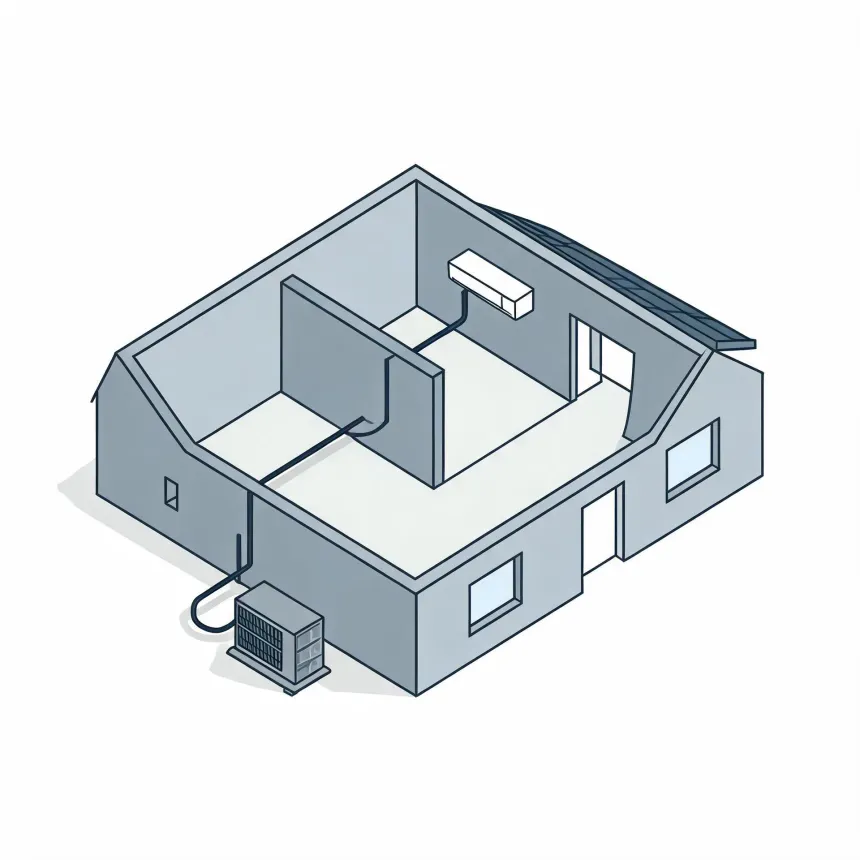
Isometric line illustration of a cutaway house showing an interior wall-mounted air conditioning unit connected by a line to an outdoor condenser beside the exterior wall.
Your system heats October through April and cools May through September.

NOAA nClimDiv, 1991–2020 normals

Homes here run cooling from May through September.

April is the month to get a mini split installed, before the first warm week puts it to the test.

A mid-size mini split handles this heat without upsizing

Cooling runs May through September
Summer afternoons average 89°F
Power costs 12.32 cents a kWh statewide

Arkansas homes paid 12.32 cents per kilowatt-hour in 2024, below the national average. That changes how to think about efficiency ratings on a mini split. A higher SEER2 number still lowers the bill, but the payback stretches out further here than it would somewhere with expensive power. So the rating matters less than whether the unit is sized right for the room and holds up over the years. A contractor can tell you where that tradeoff lands for your house.

Replace it before the season

Replace it before the season starts, so it happens on your schedule, not in a hurry.

Find a contractor
A man in a cap, dark long-sleeved shirt and worn brown work pants walks up porch steps toward a green front door, carrying a canvas tool bag in his right hand, with a potted plant beside the door.
A white mini-split air conditioner outdoor condenser unit mounted on metal brackets against a beige stucco exterior wall, with a blue sky and scattered clouds in the background.

The old unit doesn't just get unplugged

Whatever is heating and cooling the space now gets removed once the mini split goes in. If it's a window unit or a wall unit, it comes out of the window or the sleeve, and whatever gap or bracket it leaves behind needs to be sealed up properly or that spot will leak air for as long as you own the house. If it's a baseboard heater or an electric furnace tied to ductwork, a contractor can disconnect it and cap the wiring, but that part of the job depends on what's actually feeding it, so ask before assuming it's a simple pull. Old units sometimes come with refrigerant inside them, and that can't go in the trash. It has to be recovered by someone licensed to handle it. If the old system is a window or through-wall unit, it's also worth checking whether the opening it used should be closed in or just left for the next owner to deal with. None of that work is hard, but none of it is optional either.

Sizing comes from a room by room load calculation

A contractor measures the room, checks the windows, the insulation, and how many walls face outside, then works out how much heat the space gains in summer and loses in winter. That number drives which unit goes in, not the square footage alone. A room with more glass or a sunnier exposure needs more capacity than one the same size without it.
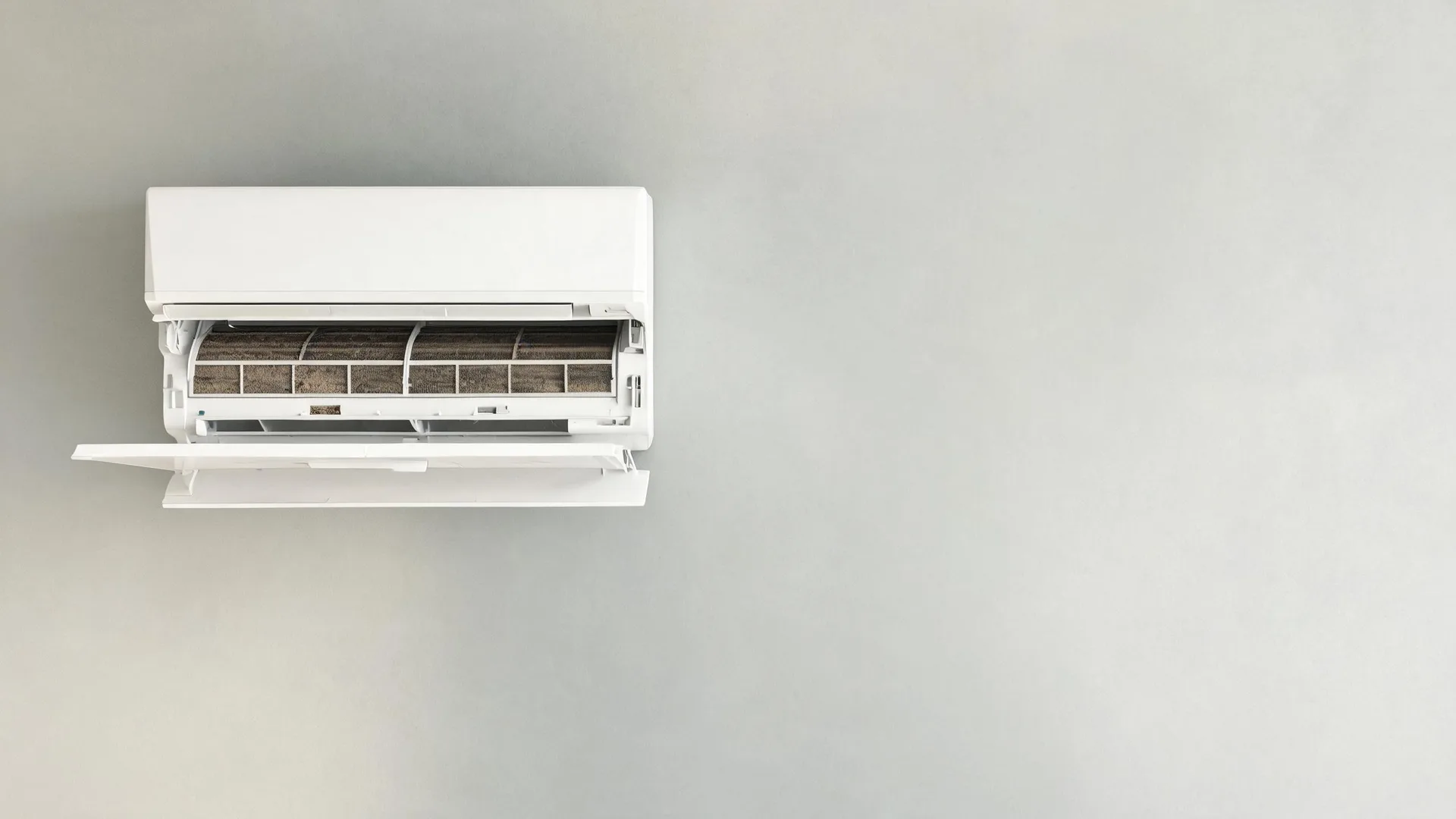
Oversized cools the air without drying it out

A mini split that's too big for the room shuts off again almost as soon as it starts. That short cycle cools the air fast but doesn't run long enough to pull moisture out of it, so the room feels cold and still damp. The right size runs longer, steadier cycles and leaves the air feeling right, not just cold.

The efficiency rating on the label tells you how much cooling the unit gets out of the electricity it uses. A higher rating means lower running cost for the same job, nothing more. It says nothing about whether the unit is the right size for the room. A mini split sized wrong wastes that rating no matter how high it is, because it either runs nonstop trying to keep up or shuts on and off before it settles into a steady cycle. The rating comes from a lab test under set conditions, so a unit can carry a strong number and still fall short once it's hung on a wall and asked to handle a real room with real sun and real drafts. Ask what the rating means for the specific unit going into your house, not just what it says on the box.

A few questions sort out which contractor actually knows the job. Ask how many zones the outdoor unit can run and whether adding a room later means a new outdoor unit or just another indoor head. Ask what happens if one indoor head needs service, whether the rest keep running or the whole system shuts down. Ask about the line set, how far the outdoor unit sits from each indoor head, since a longer run can change what capacity the manufacturer rates it for. Ask who services it after the install, because a mini split needs the filters cleaned and the outdoor coil kept clear, and not every contractor who installs one sticks around to maintain it. The answers tell you more about the system than any spec sheet will.