
Heat Pump Repair in Arkansas
Electricity costs homes less in Arkansas than in 42 of the other 49 states.
Tell us about the job
Takes about a minute. No obligation.
- 32°Fwinter overnight low where people live
- 7 monthsof heat, October through April
- 90°Fsummer afternoon high where people live
- 5 monthsof cooling, May through September
Your heat pump runs nearly year round here cooling through the long summer, heat from October on
- Southern counties need about 23% more cooling than northern ones
- Winter nights average 32°F where people live
- Summer afternoons average 90°F where people live
- Heat runs October through April
- Cooling runs May through September
- 663 winter storms from 2015 to 2024

Most Arkansas homes are ordinary houses, and this is an ordinary repair
Arkansas sees less severe weather than most of the country, though hail is more frequent here than in most states.
Whatever brought your heat pump down, it's more likely an ordinary part worn from running most of the year than storm damage.
Heat pump repair, done right, in Arkansas
The first weeks of a new season are when a weak part finally gives out
May is when this machine switches over to cooling, and October is when it switches back to heat. Both changeovers put a new kind of load on parts that have been sitting idle for months, and a capacitor or contactor that was already marginal tends to give out in that first stretch rather than later in the season. Arkansas asks more of this machine than most states do, with cooling running five months and heat running seven, so there's little downtime between changeovers for a weak part to get caught before it has to work again. A repair done right the first time should hold up through the next changeover instead of failing again a few weeks in.
A heat pump in Arkansas works a different amount depending on which part of the state it sits in. Homes across the southern counties need about 23% more cooling over a year than homes across the northern counties, and the north makes up for it on the other side, needing about 23% more heat over a year than the south. The same machine, asked for different things depending on where it sits.
Chicot County needs about 82% more cooling over a year than Newton County, which has the lowest cooling need in the state. That is a wide gap for one state to hold. A unit in Chicot County is cycling on far more over the course of a year than one in Newton County, and the parts that handle cooling, the compressor and the capacitor that starts it, are the ones worth checking first down there.
Heating need splits the state in roughly the same way, just reversed. Madison County needs about 65% more heat over a year than Miller County, where heating need is lowest in the state. In the north, that means more hours spent on the heating side of the system, more cycles through the reversing valve, more chances for a weak part to show itself.
Benton County runs heat about 7 months a year, the longest stretch in the state. Pulaski County runs it about 5, the shortest. Two months doesn't sound like much until it's the difference between a part resting through the spring or still being asked to work.
Set against the rest of the country, Arkansas leans toward cooling. Homes here run cooling for more months of the year than in 34 of the other 49 states, while they need heat for fewer months than in 28 of them. So statewide, this is a machine that spends more of its year on the cooling side than the heating side, even with the northern counties pulling harder on heat.
None of this says one part of Arkansas has it harder in general, only that the wear shows up differently. South and east toward Chicot County, cooling parts take the brunt. North toward Benton and Madison counties, it's the heating side logging the extra months and the harder load. Where a system sits in the state is a reasonable place to start narrowing down what gave out.
What does a heat pump in Arkansas face?
How hot do summer afternoons get?
90°Faverage afternoon high where people live
Alaska66°F
Arizona101°F
How cold do winter nights get?
32°Faverage overnight low where people live
North Dakota4°F
Hawaii65°F
How many months does the heat run?
7 monthsof heating a year
Hawaii0 months
Alaska12 months
What does electricity cost?
12.32¢per kWh (kilowatt hours, the unit on an electric bill), what homes paid in 2024
North Dakota11.51¢
Hawaii42.86¢
How often do storms hit?
170severe weather events per county from 2015 to 2024
Alaska5
Wyoming1,057
How many homes lost power for a day or more?
24%of homes in 2024
Arizona7%
Maine54%
The part that makes a heat pump a heat pump
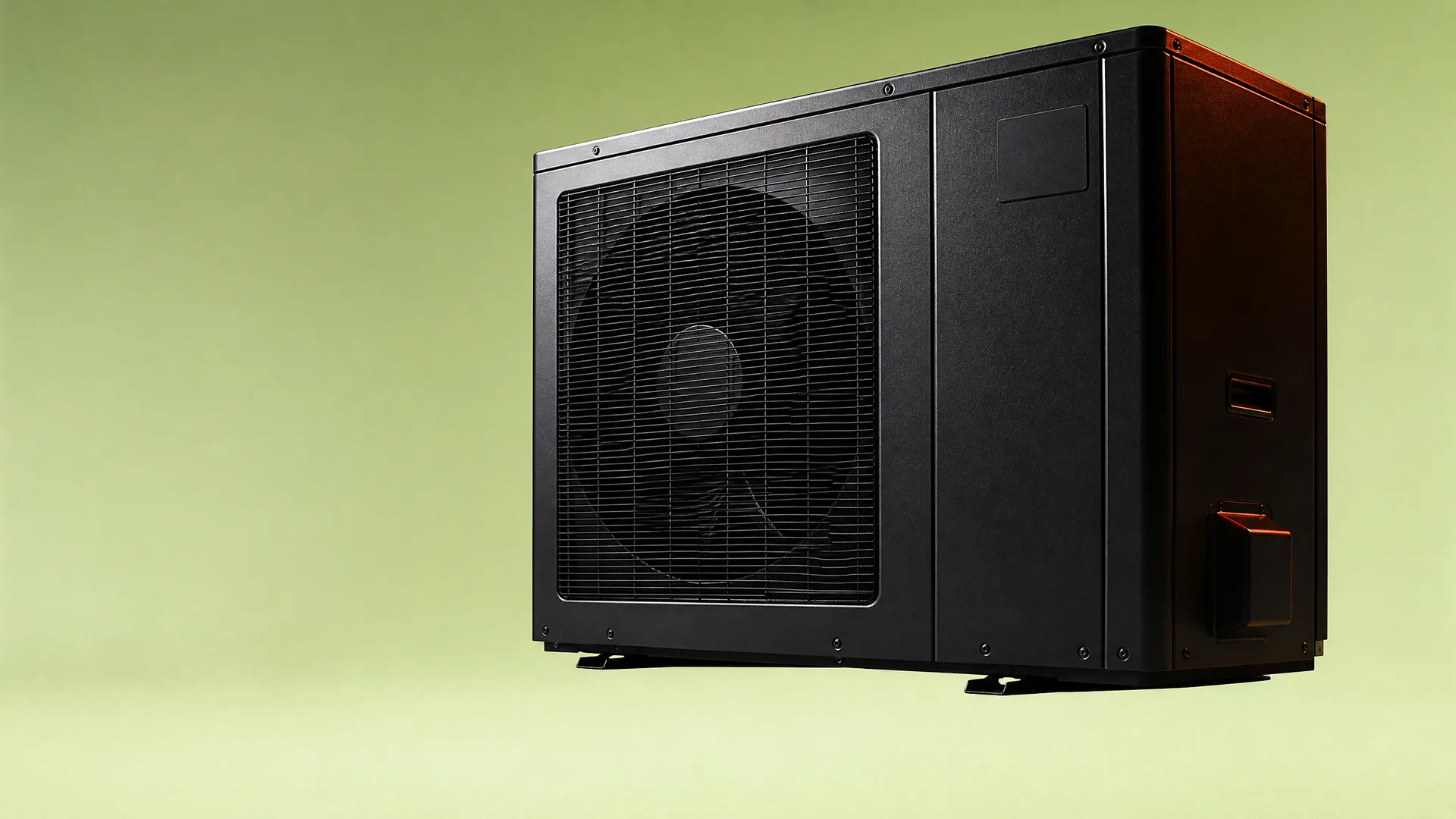
A heat pump has no separate furnace sitting idle part of the year. The same compressor and reversing valve run the machine whether it's pulling heat out of the cold air in the winter months or pulling heat out of the house in summer. That's what makes it work harder here than a straight AC and furnace pair would, since Arkansas asks for both sides of the system with barely a break between them. The reversing valve is usually worth checking first when a heat pump stops heating but still cools fine, or the other way around. It's the part doing the switching, so it's the part that takes the wear from switching.
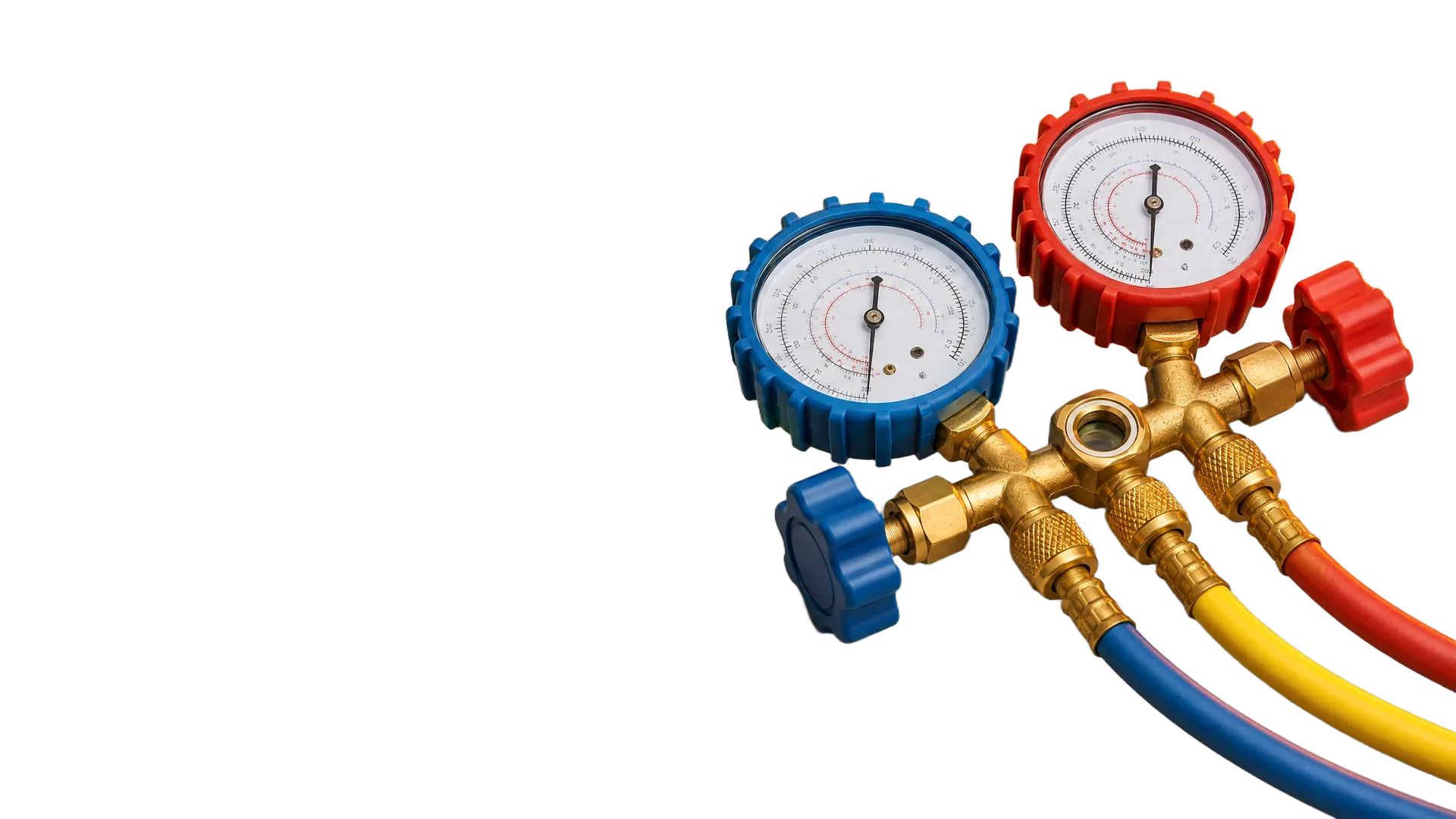
What to check before you call
Before calling anyone, a few things are worth a look. Check the thermostat is actually set to heat or cool, and that the batteries aren't dying. Go outside and look at the unit. If the coil is caked in leaves, dirt or ice, airflow is choked and the system will struggle no matter what else is right. Some frost on the outdoor coil during a winter defrost cycle is normal, but if the whole unit is frozen solid and staying that way, that's worth telling whoever comes out. Check the air filter inside. A clogged one starves the system of airflow and can make it run constantly without keeping up, or shut off on a safety switch. Check that nothing is blocking the vents or the return. Check the breaker for the outdoor unit hasn't tripped. If the system is blowing air but it's the wrong temperature, warm when you asked for cool or the other way around, that points straight at the reversing valve, so note it. If the outdoor fan isn't spinning at all, or it's humming or clicking without starting, mention that too. None of this is about fixing anything yourself. It's about having a clear answer ready, which makes the diagnosis faster once someone is there.
A heat pump that runs but doesn't keep the house at the set temperature is usually short on refrigerant or losing the fight with a weak compressor. Short cycling, where it kicks on, runs a few minutes, then shuts off before the house catches up, points the same way, or to a clogged filter choking airflow. Warm air coming out when it's set to cool, or cold air when it's set to heat, means the reversing valve isn't switching the way it should. A system that won't turn on at all is worth a breaker check before anything else, since a tripped breaker looks the same as a dead system from inside the house.
Sound and smell tell you as much as temperature does. A grinding or screeching noise from the outdoor unit usually means a motor bearing is going. Clicking that repeats without the system starting points at a failed capacitor or contactor, the parts that get the compressor and fan going in the first place. A burning smell from the vents is never normal and means power down the system until someone looks at it. Ice building up on the outdoor coil and staying there, rather than clearing during a normal defrost cycle, means the defrost control or the reversing valve isn't doing its job. Any of these is worth a call, not a wait and see.
Diagnosing a heat pump by ear and by symptom gets you a real answer faster than guessing at parts.
Tell us about the job
Takes about a minute. No obligation.
Fill out the form once and a licensed contractor in Arkansas calls to look at what you found.