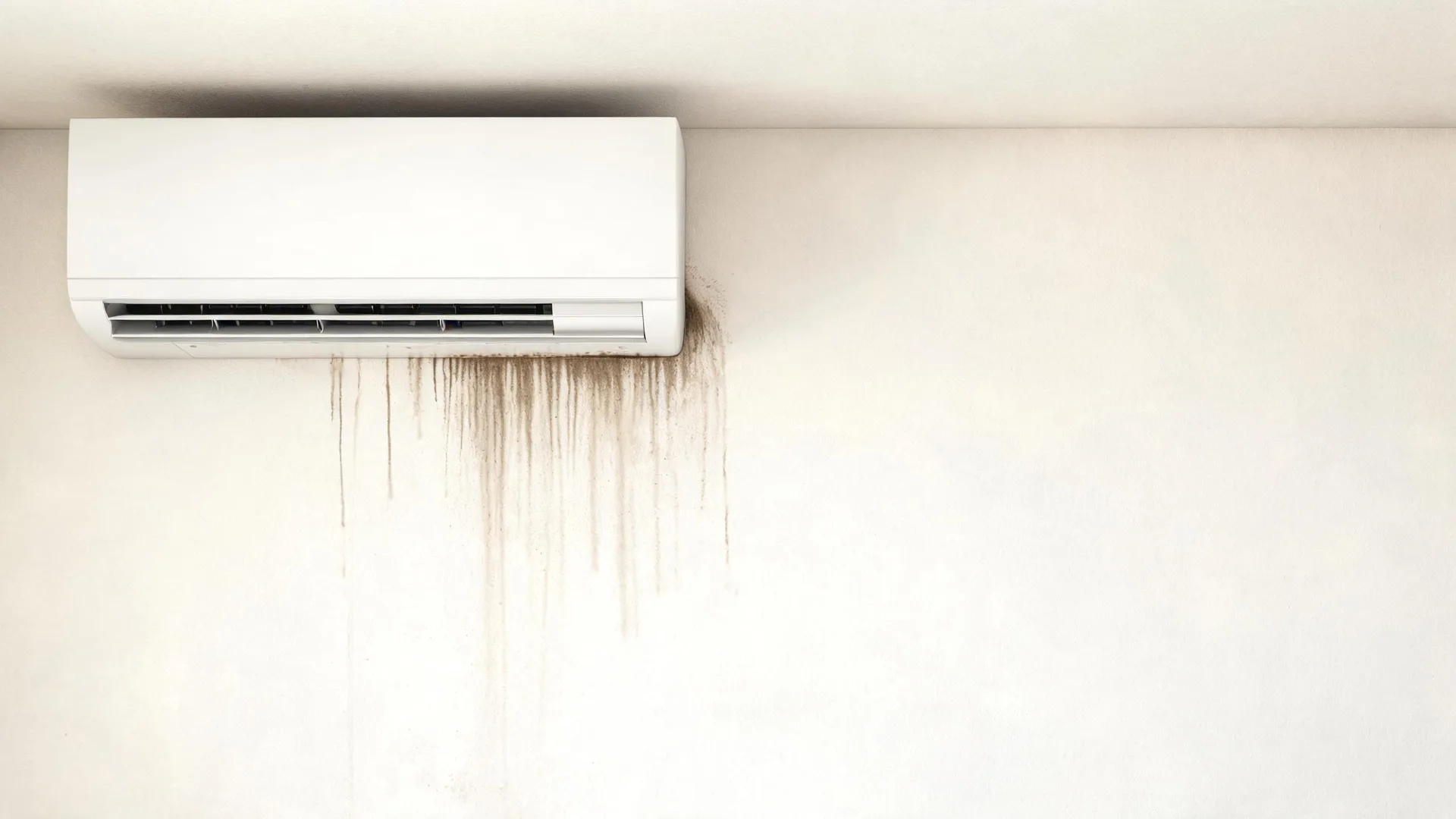
Most homes here run on electric heat
Electricity heats 50.9% of occupied homes in Grant County, more than any other fuel. A mini split fits an electric home without adding a fuel line or venting a combustion appliance.

Takes about a minute. No obligation.
Electricity heats 50.9% of occupied homes in Grant County, more than any other fuel. A mini split fits an electric home without adding a fuel line or venting a combustion appliance.
A mini split can work alongside electric heat already in the home or take over the job on its own. Either way, the outdoor unit and the line set are the main work, not a new gas connection.
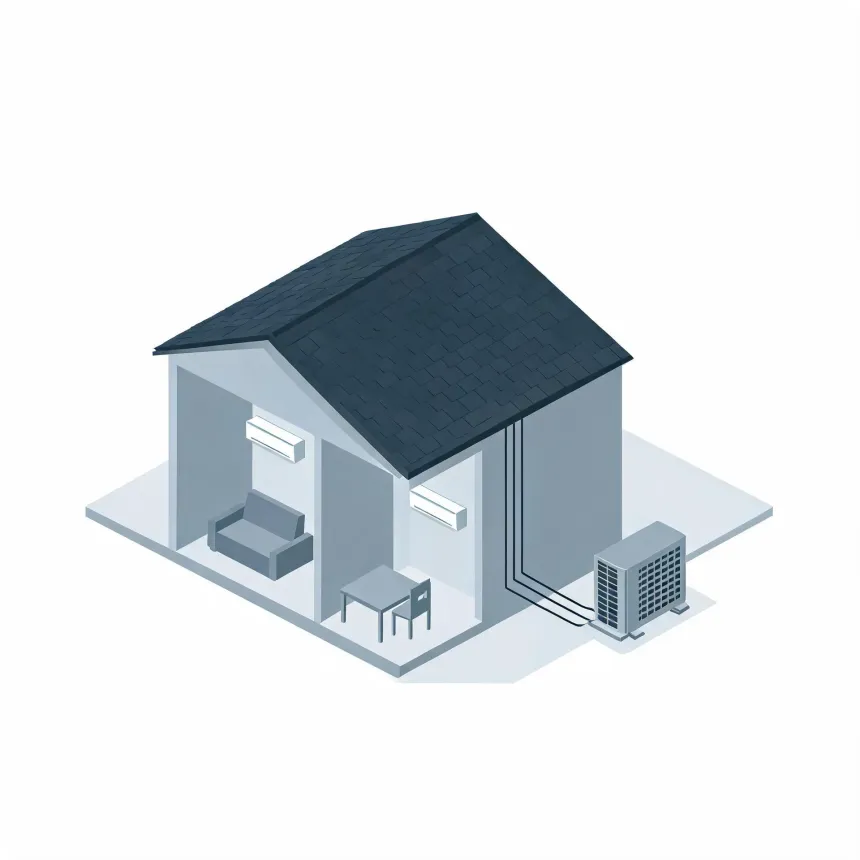
NOAA nClimDiv, 1991–2020 normals
The efficiency number on a mini split is a ratio, not a size.
A higher rated unit costs less to run, but only the right size for the room keeps you comfortable.




Cooling here runs May through September. If you're installing a mini split before next season, April is the month to get it done. A tight schedule in May means waiting longer for a crew, since everyone with a struggling system wants help at once. Getting the install done in April means the unit is sized, mounted and charged before the first warm week, not during it. It also gives you time to notice if something needs adjusting, a fan speed, a thermostat setting, before you're depending on it every day.
Any mini split installed here now has to hit 14.3 SEER2 for cooling and 7.5 HSPF2 for heating, the federal minimum for split-system heat pumps. That floor is already built into the units on the market, so it narrows the field to what actually qualifies. A federal tax credit is available on top of that for equipment that meets efficiency requirements.
Find a contractorFive months of cooling a year, and the afternoon high averages 91 through June, July and August. That's the stretch the outdoor unit sits in, running most afternoons for most of the summer. It doesn't take an oversized unit to meet that load, just one sized to the room and left to run steady. A unit sized too big cycles on and off instead of holding a steady temperature, and the parts that start and stop the most are the parts that wear first.
Whether it's a window unit, an old ductless system, or a furnace and central air handler coming out to make room for the new lines, the installer disconnects it and removes it from the property. The homeowner isn't left with equipment to dispose of on their own.
An old system still holding refrigerant can't just be unbolted and carried out. A licensed installer recovers that refrigerant into a tank before touching the line set, since releasing it into the air is against the law. That step happens before any old unit gets disconnected, not after.
When you're comparing quotes, ask each installer what they measured, not just what they quoted. A proper install starts with a room by room load calculation, not a guess based on square footage alone. Ask how many zones they're proposing and why, since one outdoor unit can run multiple indoor heads, but only if the sizing on each one is right. Ask where the outdoor unit will sit and how long the line set run is, because a longer run between indoor and outdoor units can affect performance. Ask what happens to the old equipment and who handles the refrigerant in it. And ask what the warranty covers, the compressor, the parts, the labor, since those are often sold separately even on the same unit.
By install day the sizing work is already done, so what's left is mechanical. The outdoor unit gets set on a pad or a wall bracket, somewhere with open air on all sides so it can breathe. Inside, the mounting plate goes up first and the indoor head hangs on it. A hole gets drilled through the wall for the line set, the refrigerant lines, the condensate drain and the wiring, bundled together and run from the indoor head out to the condenser. Before any refrigerant moves, the installer pulls a vacuum on the line set to clear out air and moisture, since trapped moisture left in the lines causes problems later. Once that's done and the valves open, it's a test run. The installer checks the temperature difference between the air going into the head and the air coming out, makes sure the thermostat or remote is actually talking to the unit, and watches the condensate drain to confirm it's draining where it should.