
AC Maintenance in Arkansas
Homes in Arkansas run cooling for more months of the year than in 34 of the other 49 states.
Tell us about the job
Takes about a minute. No obligation.
- 90°Fsummer afternoon high where people live
- 5 monthsof cooling, May through September
- 12.32¢ per kWhwhat homes paid for power in 2024 (kWh means kilowatt hours, the unit on an electric bill)
- 2,017hail events from 2015 to 2024
Summer here runs your AC hard. Afternoons average 90°F, June through August.
- Southern counties need about 23% more cooling than northern ones
- Summer afternoons average 90°F where people live
- Cooling runs May through September
- 2,017 hail events from 2015 to 2024
- 3,423 damaging wind events from 2015 to 2024
- 24% of homes lost power a day or more in 2024


- A tech cleans the condenser coil so the system sheds heat instead of straining to do it
- Refrigerant gets checked against what the system calls for, since too little or too much wears on the compressor
- Electrical connections get tightened, since a loose one at the contactor can stop the system cold
- The condensate drain gets cleared, so water goes outside instead of finding your ceiling
- A weak capacitor or other worn part gets caught while the system is still running

Half the homes in Arkansas were built in 1987 or later, so half were built before that. An older house has had more time for a duct connection to work loose or a coil to pick up grime, and none of that shows itself until the system is asked to work hard. A yearly check is what catches it while the system is still running fine on its own.
Most homes here are standalone single-family houses, and mobile homes make up 11 percent of the rest. Each has its own AC system with no shared equipment to fall back on. If that system goes without a yearly check and something in it wears out, that house is the one without cool air, nobody else's.

Get your AC checked before May
Summer starts fast here. The month before is when to get ahead of it.
Cooling starts in May here and runs through September. It doesn't ease into it. April is when to get the system looked at, before it has to work. A tech can find a weak capacitor or a dirty coil while the system is sitting idle, not during the first hot week when that same problem means no cool air and a wait for someone to come fix it. Arkansas runs AC more months of the year than most states do, so the system has less time off between the check and the stretch that tests it.
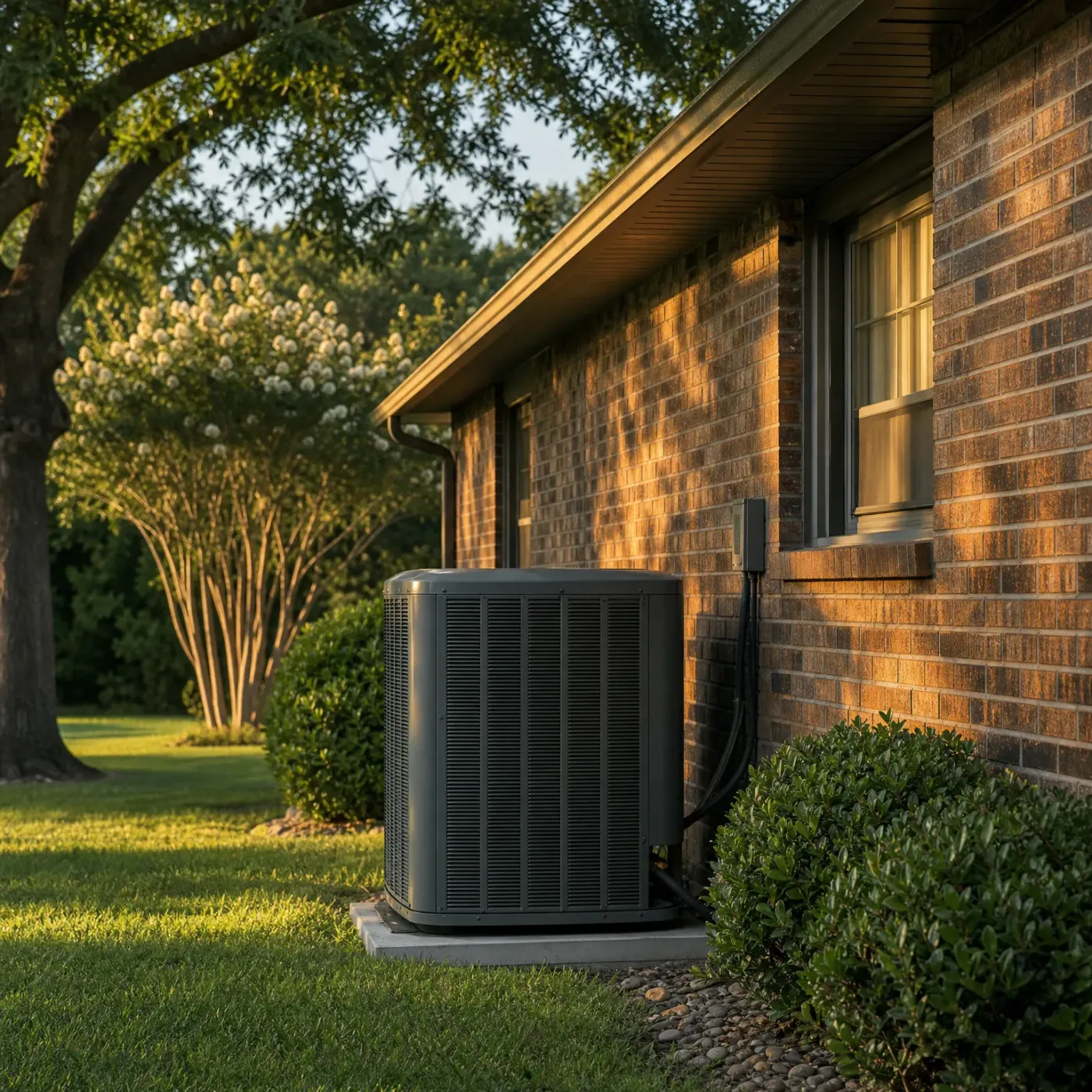
Arkansas doesn't ask the same of every system in the state. Homes in the southern counties need about 23% more cooling over a year than homes up north, so a unit in the south is putting in more hours and more of those hours are at full load.
Chicot County sits at the high end, needing about 82% more cooling over a year than Newton County, where the state's cooling need is lowest. Two systems the same age, one in each county, are not wearing the same way.
The heat backs that up. Miller County averages 92°F on summer afternoons, Newton County 86°F. A system in Miller County is working against a hotter afternoon all summer long, and that shows up in the coil and the compressor before it shows up anywhere else.
If your home is in the southern counties, or near Miller County, that's where a yearly check earns its keep the most. Further north, toward Newton County, the system still runs all summer, just against less heat.
What does an AC in Arkansas face?
How hot do summer afternoons get?
90°Faverage afternoon high where people live
Alaska66°F
Arizona101°F
How many months does the cooling run?
5 monthsof cooling a year
Alaska0 months
Hawaii12 months
What does electricity cost?
12.32¢per kWh, what homes paid in 2024
North Dakota11.51¢
Hawaii42.86¢
How often do storms hit?
170severe weather events per county from 2015 to 2024
Alaska5
Wyoming1,057
How many homes lost power for a day or more?
24%of homes in 2024
Arizona7%
Maine54%
What this system is up against
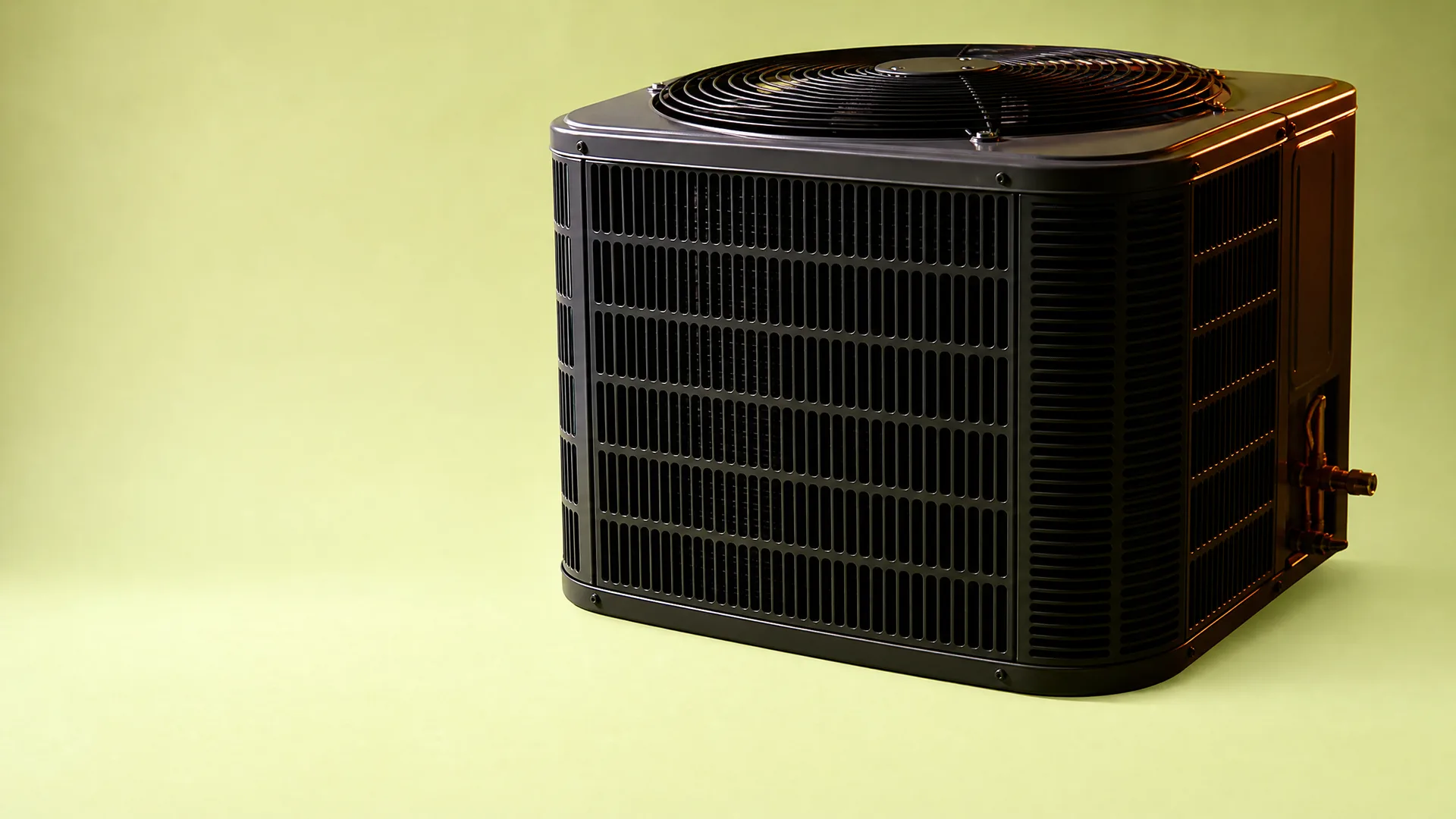
Five months of cooling here, May through September, with afternoons averaging 90 degrees through the hottest stretch. That coil outside sheds heat all day long for most of the warm season, and the compressor behind it runs longer stretches than a system built for a milder climate ever sees. Arkansas asks more cooling months of its systems than 34 other states do. A unit here doesn't get the downtime that lets small wear go unnoticed. It shows up sooner, in the coil, the capacitor, wherever the system is weakest.
What a tune-up finds that you can't
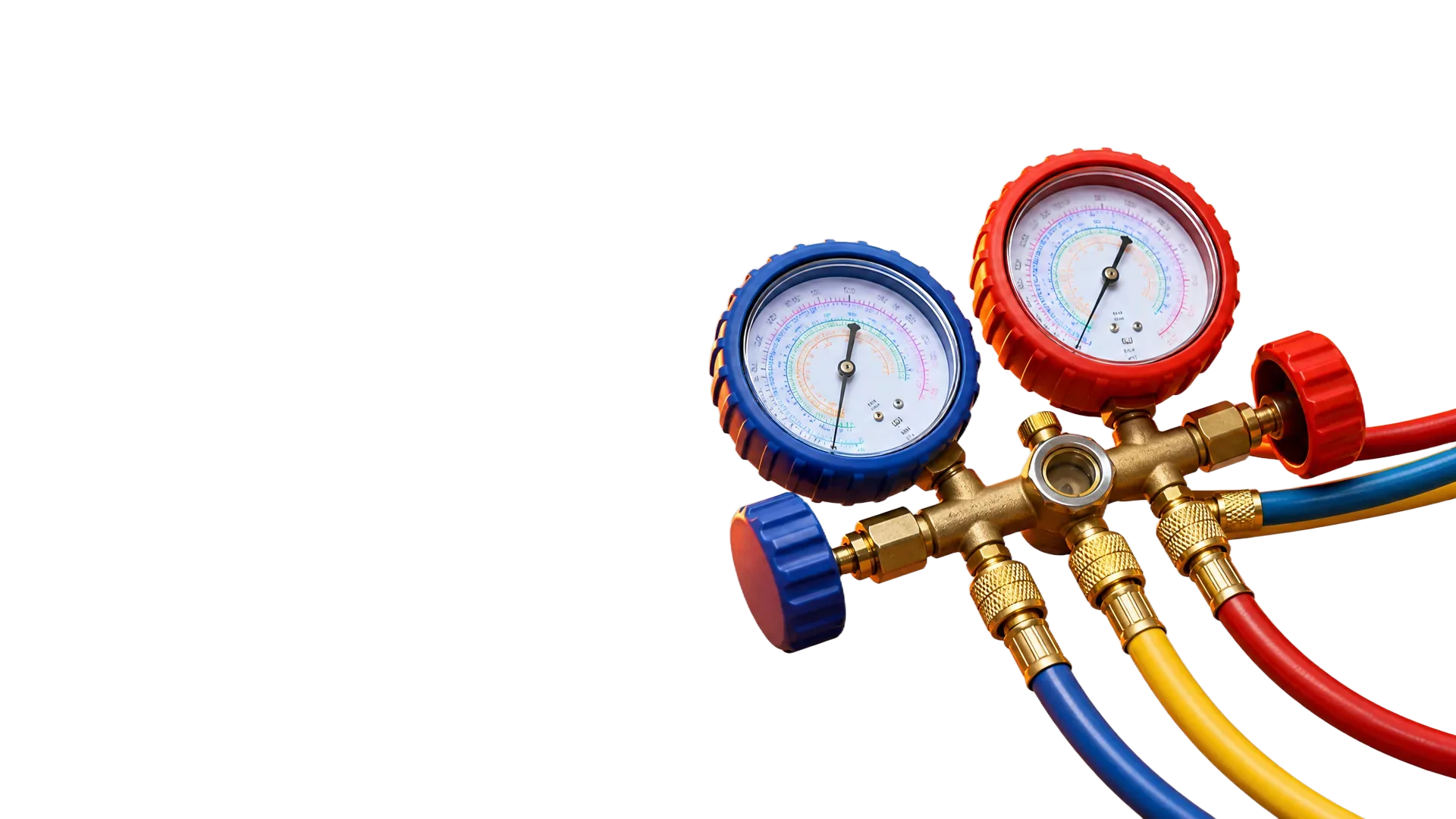
A tech pulls the panel and looks at the capacitor itself, not just whether the system turns on. A capacitor can be on its way out for weeks while the system still starts and still cools, until the day it doesn't. The contactor is the same kind of problem. The points inside pit and burn a little every time the system cycles, and you'd never see that from the thermostat. Refrigerant is another one. A system low on charge still blows cold air, just not as cold, and most people never catch it until someone puts gauges on the line and checks the pressure against what the system is supposed to run. The coil tells its own story. Dust and grime build up on it so slowly that nobody notices the system working harder, only that the air feels less cold than it used to. A tech cleans it and the system goes back to shedding heat the way it was built to, not the way it had quietly adjusted to doing instead. None of this announces itself. It wears a little at a time, until the hottest week of the year asks the system for more than that worn part has left to give.
Where trouble builds quietly
The filter is the cheapest part of the system and the one that does the most damage when it's ignored. Air has to pass through it before it ever reaches the coil, and once it's clogged, airflow drops off. The coil depends on that airflow to shed heat. Starve it of air and the coil gets colder than it should, past the point where it just drips condensation, until ice starts forming on the line. That ice keeps building as long as the system runs, and it can end with a compressor trying to pump refrigerant through a coil that's frozen solid. The drain line causes its own kind of trouble. It's just there to carry away the water the coil pulls out of the air, and it only backs up when something blocks it, algae or dust that's worked its way in over the season. When that happens, the water doesn't vanish. It backs up into the pan under the coil and from there into the house. None of this starts loud. A dirty filter, a dirty coil, a clogged drain all build quietly, and the system keeps running right up until it can't.
Five months of 90 degree afternoons will find whatever a worn part has left to give.
Tell us about the job
Takes about a minute. No obligation.
Fill out the form once and a licensed contractor in Arkansas gets in touch to schedule the check.