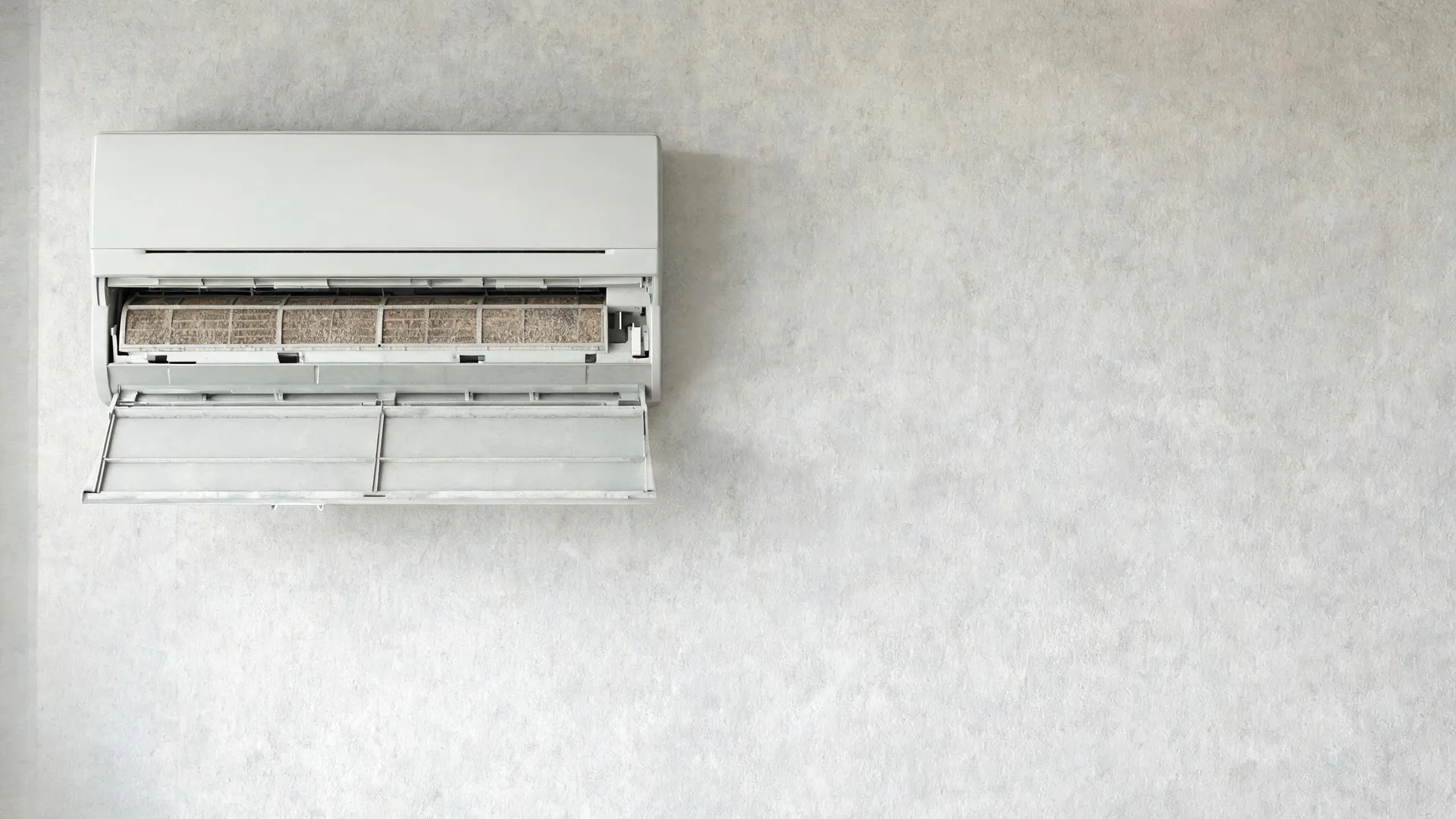
Pope County sees its share of severe weather
Pope County logged 124 severe weather events between 2015 and 2024, with damaging wind behind most of them. An outdoor condenser sitting out in the open takes the brunt of that.
Takes about a minute. No obligation.
Pope County logged 124 severe weather events between 2015 and 2024, with damaging wind behind most of them. An outdoor condenser sitting out in the open takes the brunt of that.
A mini split's outdoor unit needs a spot clear of falling branches and away from where water runs off the roof. Hail dents the fins and bends the housing, and either one cuts how well the unit moves heat.
NOAA nClimDiv, 1991–2020 normals
Electricity in Arkansas runs 12.32 cents per kilowatt-hour, well below the national average.
A mini split still beats baseboard or window units here, but the highest-SEER model on the lot will take years longer to pay back than it would somewhere with pricier power.




Pope County falls in climate zone 3A. Any mini split installed here has to meet the federal minimum for that class, 14.3 SEER2 for cooling and 7.5 HSPF2 for heating. That floor applies whether the system is ducted or ductless. It makes sense for a place where the unit runs cooling most of the year and only needs to heat through a short, mild winter. A system that clears this minimum can also qualify for the federal energy efficiency tax credit. Ask to see the SEER2 and HSPF2 numbers on the actual equipment being quoted, not just a model name.
Cooling runs May through September here. Have a mini split installed in April and it's ready before the first hot day, with no pressure to rush the choice of equipment or the install itself.
Find a contractor
Five months of running flat out at 89 degrees wears on a compressor faster than mild weather would. Get the sizing wrong on a mini split and it either short cycles trying to keep up or runs nonstop and never quite catches the heat. A contractor doing a proper load calculation for the house, not just going by square footage, is worth more here than a few extra SEER2 points on the spec sheet. Ask how they're sizing it before you ask about the brand.
A contractor doing this right measures each room's windows, wall exposure, insulation and ceiling height, then adds it up room by room. Square footage alone misses a room with west-facing glass that bakes all afternoon, or one with a poorly insulated ceiling above it. Rooms that look alike on paper can need different sized heads.
A mini split that's too big cools the room fast, shuts off, and leaves the air damp because it never ran long enough to pull moisture out. One that's too small runs nonstop on the hottest afternoons and still can't hold the temperature you set. Sized right, it runs in long, steady stretches and holds the room where you want it.
If the old system is ducted, a contractor can usually leave the ductwork alone and still pull the furnace or air handler and the outdoor condenser. Those get hauled off, along with the old refrigerant, which has to be recovered rather than vented. Window units and baseboard heaters just get disconnected and carried out, nothing to cap off underground or in a wall. If the old system ran on gas, ask what happens to that line. A gas furnace coming out usually means the line gets capped off safely even if the water heater stays on gas. None of this should hold up the mini split install itself, but it's worth asking who handles the removal and haul away before the work starts, so it's not left sitting in the garage after the new units are in.
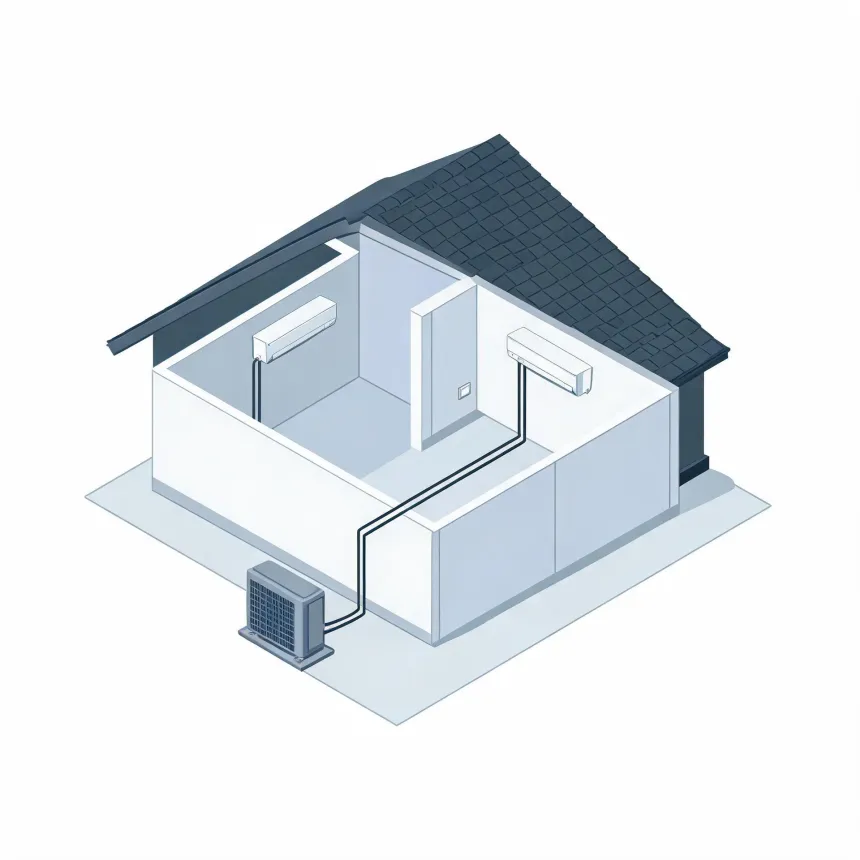
Installation day starts with the outdoor unit going in first, usually on a mounting pad or bracket set against the wall. Then comes the line set, the copper tubing that carries refrigerant between the outdoor unit and each indoor head, run through a hole drilled through the wall and sealed against weather. Each indoor head gets mounted high on the wall it's assigned to, leveled, and connected to that line set along with a condensate drain line that carries moisture outside as the unit cools. Once everything is connected, the system gets evacuated with a vacuum pump to pull out air and moisture before the refrigerant is released from the outdoor unit into the lines. A contractor should check the charge against what the manufacturer specifies for that line length, not just run it and call it done. Expect some drywall dust where the line set passes through, and plan for the outdoor unit's final spot to be decided before anyone starts drilling.