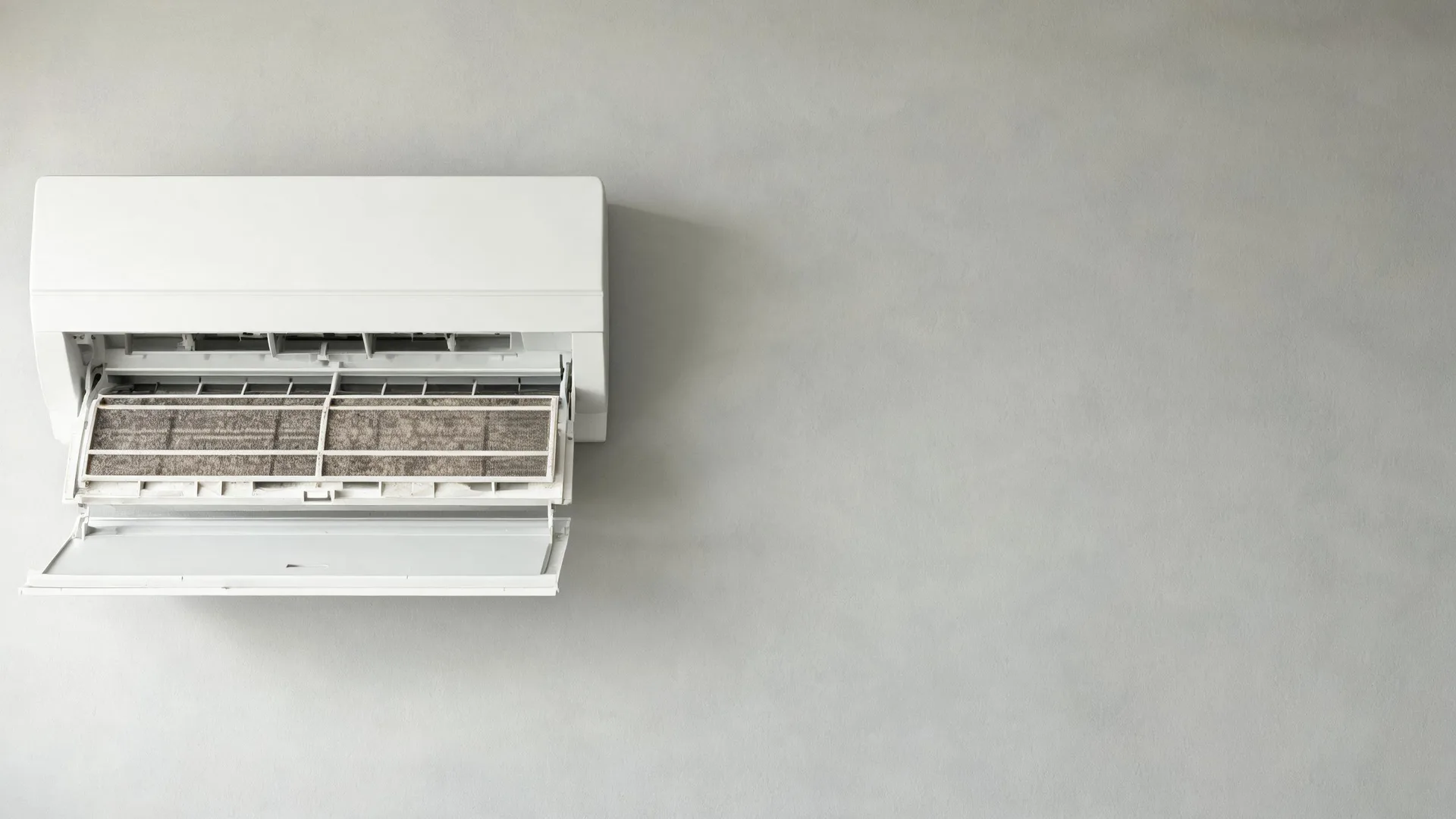
Most homes here run on electric heat
Electricity heats 61.3% of homes in Drew County, with gas well behind at 25.2% and propane at 11.0%. A mini split fits right into that pattern since it runs on electricity too.
Takes about a minute. No obligation.
Electricity heats 61.3% of homes in Drew County, with gas well behind at 25.2% and propane at 11.0%. A mini split fits right into that pattern since it runs on electricity too.
If your house already heats with electric strip heat or baseboards, a mini split can take over the job directly without any new gas line or fuel tank to plan around.
NOAA nClimDiv, 1991–2020 normals
Half the homes in Drew County were built in 1985 or earlier, half after.
A mini split sized for the room handles either one the same way, no special sizing for an older house.




Cooling runs five months here, May through September, and June through August the afternoon high averages 91°F. That is a long stretch of real load, not just a few hot weeks. A mini split sized right for the room keeps up with that heat without strain. One sized wrong, even by a little, runs longer than it should every one of those five months. Over a season that difference adds up fast.
Any mini split installed here has to meet 14.3 SEER2 for cooling and 7.5 HSPF2 for heating, the federal minimum for split-system heat pumps. That floor applies whether the unit is ductless or not. A federal tax credit is available for qualifying installations, worth looking into before you settle on a system.
Find a contractorFive months a year this unit runs, and most of that against afternoon highs near 91. That is the load to size against, not the mild days on either end. Get the room's square footage and heat gain right before anyone picks a unit. A unit sized a little small for the room runs the full five months trying to catch up, not just the hottest days in July and August.
A contractor measures the room, checks window area and direction, and accounts for how much heat the walls and roof let in before picking a unit. This is the same method behind any correctly sized system, ductless or not. Square footage alone is a starting point, not the answer. Rooms the same size can carry different loads depending on windows and exposure.
A unit too big for the room cools the air fast and shuts off before it pulls the moisture out, leaving the room cold and clammy. A unit too small never catches up on the hottest afternoons and runs nonstop trying. Either way the compressor cycles in a pattern it was not built for, and that pattern wears it down faster than steady, correctly sized runtime.
Ask whether the system is one-to-one or multi-zone, with a single outdoor unit feeding several rooms. Each zone still needs its own load calculation even inside a shared system, and some multi-zone setups lose efficiency when only part of the heads are calling. Ask what happens if the outdoor unit ever needs replacing, since indoor heads and the outdoor unit are usually matched by the manufacturer and not always interchangeable later. Ask about the line set run between outdoor and indoor units, because a longer run or more bends than the system was designed for cuts into capacity. Ask what the warranty covers if the installer isn't certified on that brand, since some manufacturers tie full coverage to that. And ask about the sound level of the outdoor unit, because that varies more between brands than most people expect.
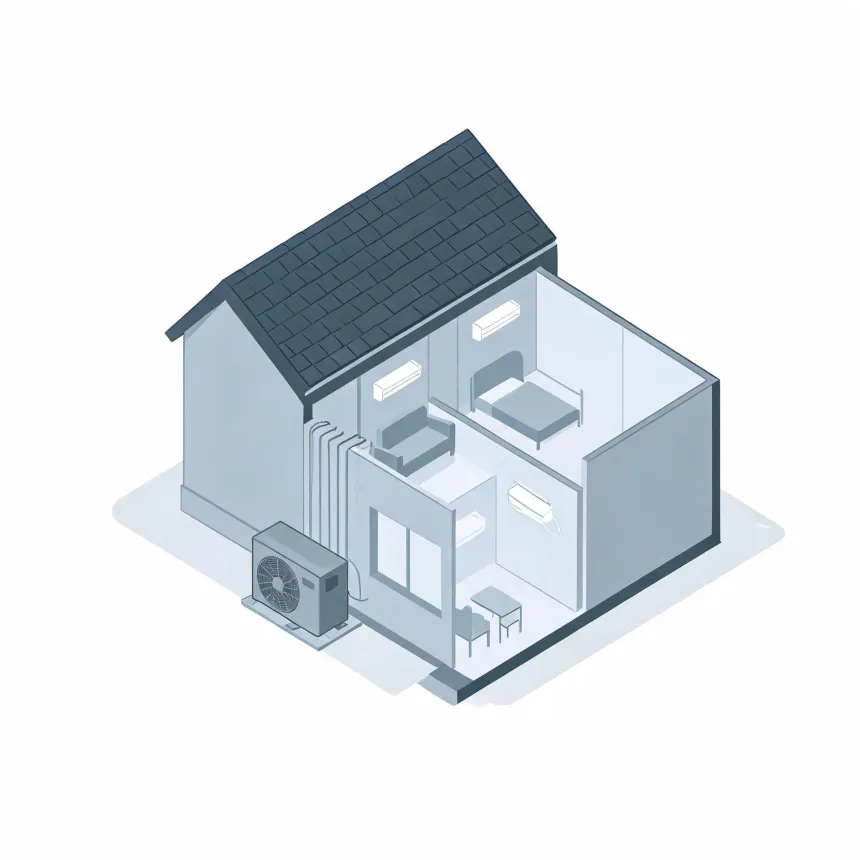
Install day starts with the outdoor unit and where it sits. It needs clearance on all sides for airflow, and it needs a solid, level pad so the compressor doesn't vibrate loose over time. Running the line set is most of the work. The refrigerant lines, a drain line, and the electrical wiring all pass through a wall penetration, usually just one small hole rather than the ductwork a central system needs. The tech brazes the refrigerant joints, then pulls a vacuum on the line set to clear out moisture and air before any refrigerant moves through it. That vacuum test matters more than anything else that day. Trapped moisture left in the lines causes problems well after the crew leaves. Once the indoor head is mounted and the system is charged, they run it in both cooling and heating before calling it done.