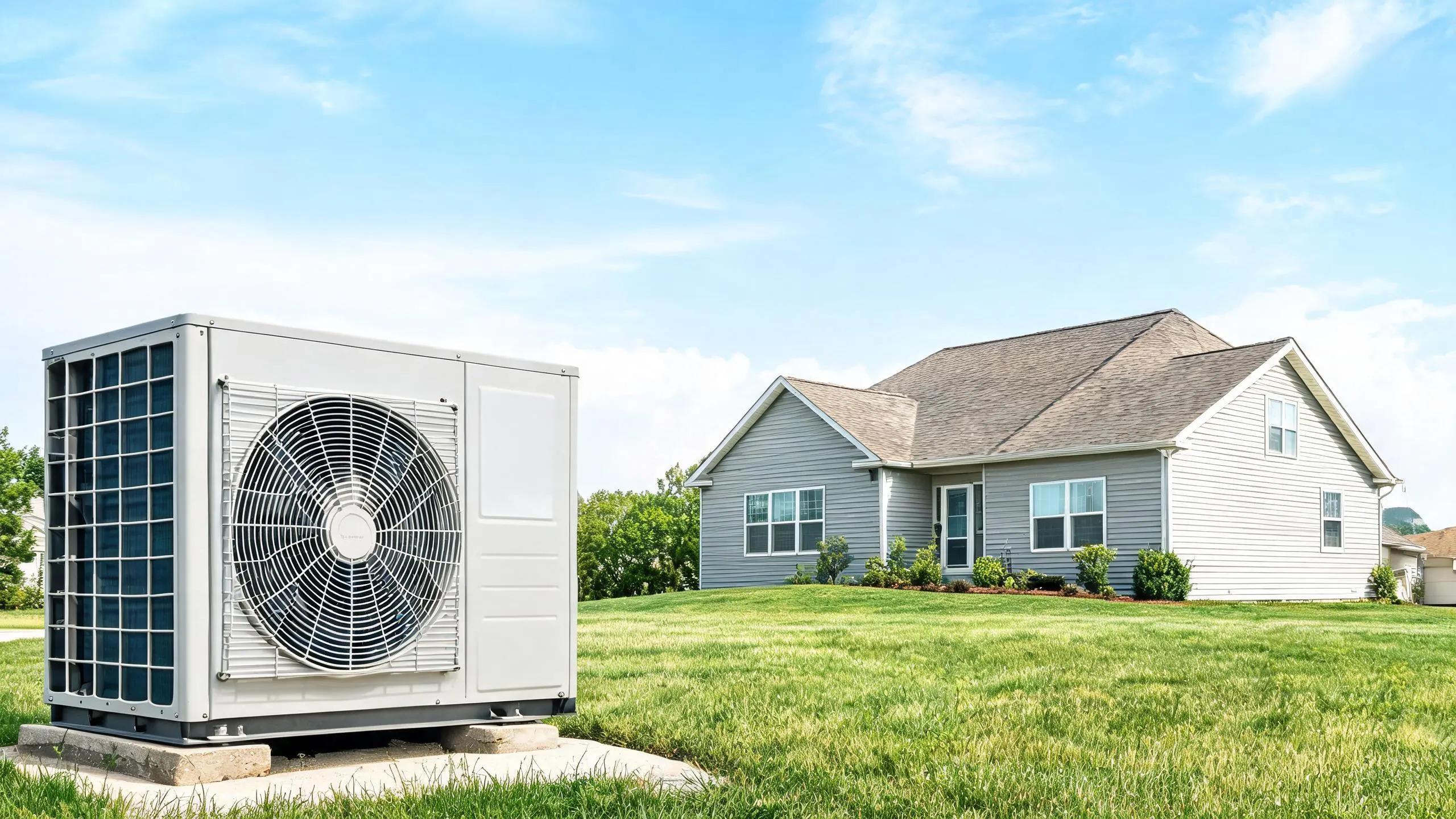
An outdoor HVAC condenser unit on a concrete pad in front of a single-story house with gray siding and a shingle roof.

Heat Pump Repair in Trumann, AR

Tell us about the job

Takes about a minute. No obligation.

RepairHeat PumpPoinsett County, AR
Step 1 of 2

What ZIP code is the job in?

An ordinary heat pump problem

A heat pump acting up in Trumann usually comes down to the same handful of causes seen anywhere. A failing capacitor. A low refrigerant charge. A dirty coil. A worn contactor. Nothing about this area makes the cause harder to find.

What that means for the repair

A contractor can check the problem against what's common rather than guessing at something rare. Half the homes in Poinsett County were built in 1978 or earlier. If yours is one of them, mention the system's age when you call. An older system can change whether a part is worth repairing or replacing.

6 months
November through April, your system heats
5 months
May through September, it cools
33°F
the average winter night it heats against
90°F
the average summer afternoon it cools against
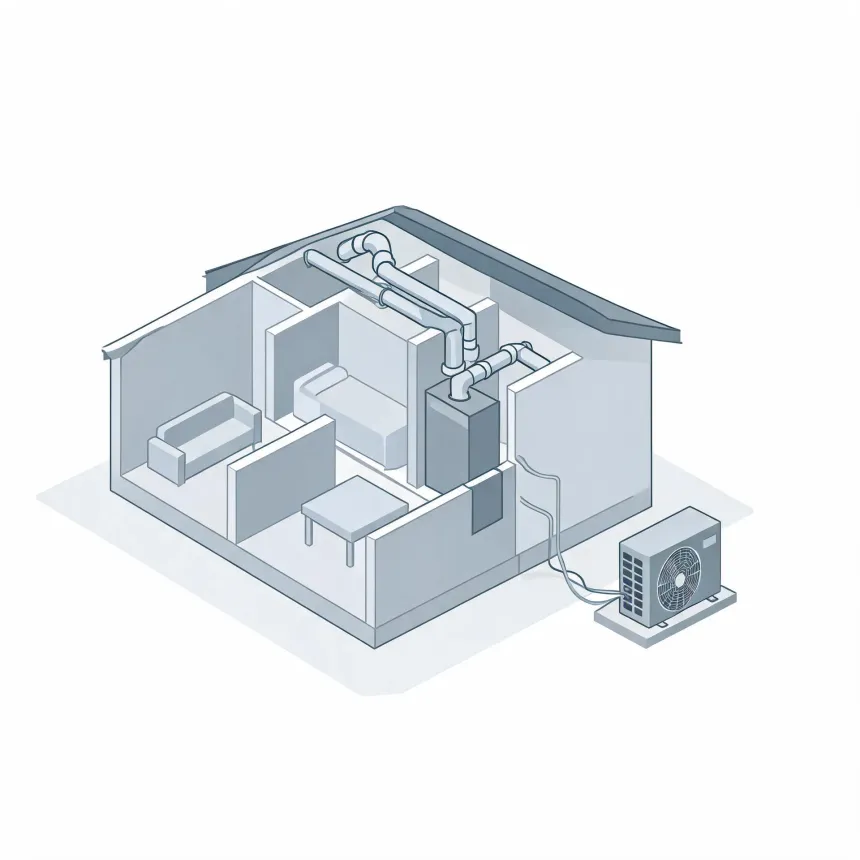
Isometric line illustration of a cutaway house showing interior rooms with furniture, ceiling ductwork connected to an indoor air handler, and a line running outside to an outdoor condenser unit.
Your system heats November through April and cools May through September.

NOAA nClimDiv, 1991–2020 normals

November is when heat here starts earning its keep.

A heat pump that limped through October usually fails outright in its first cold week on the job.

Trumann sees storm damage most places don't, and the outdoor unit sits right in its path

103 severe weather events from 2015 to 2024
24% of homes statewide lost power a day or more in 2024
51 damaging wind events from 2015 to 2024

If your outdoor unit has been through a hailstorm or a bad wind event this year, don't wait for it to act up before someone looks at it. Hail dents fin coils and bends them shut, and a unit can still run for weeks after that before it starts losing capacity. Debris thrown against the cabinet can nick the coil or knock a line loose without cutting power to the thing at all. Have it looked over after any storm that dropped hail or snapped branches nearby, not just the ones that tripped your breaker.

Get the usual fix

Nothing about this area is especially hard on it. It's most likely the usual problem with the usual fix.

Find a contractor
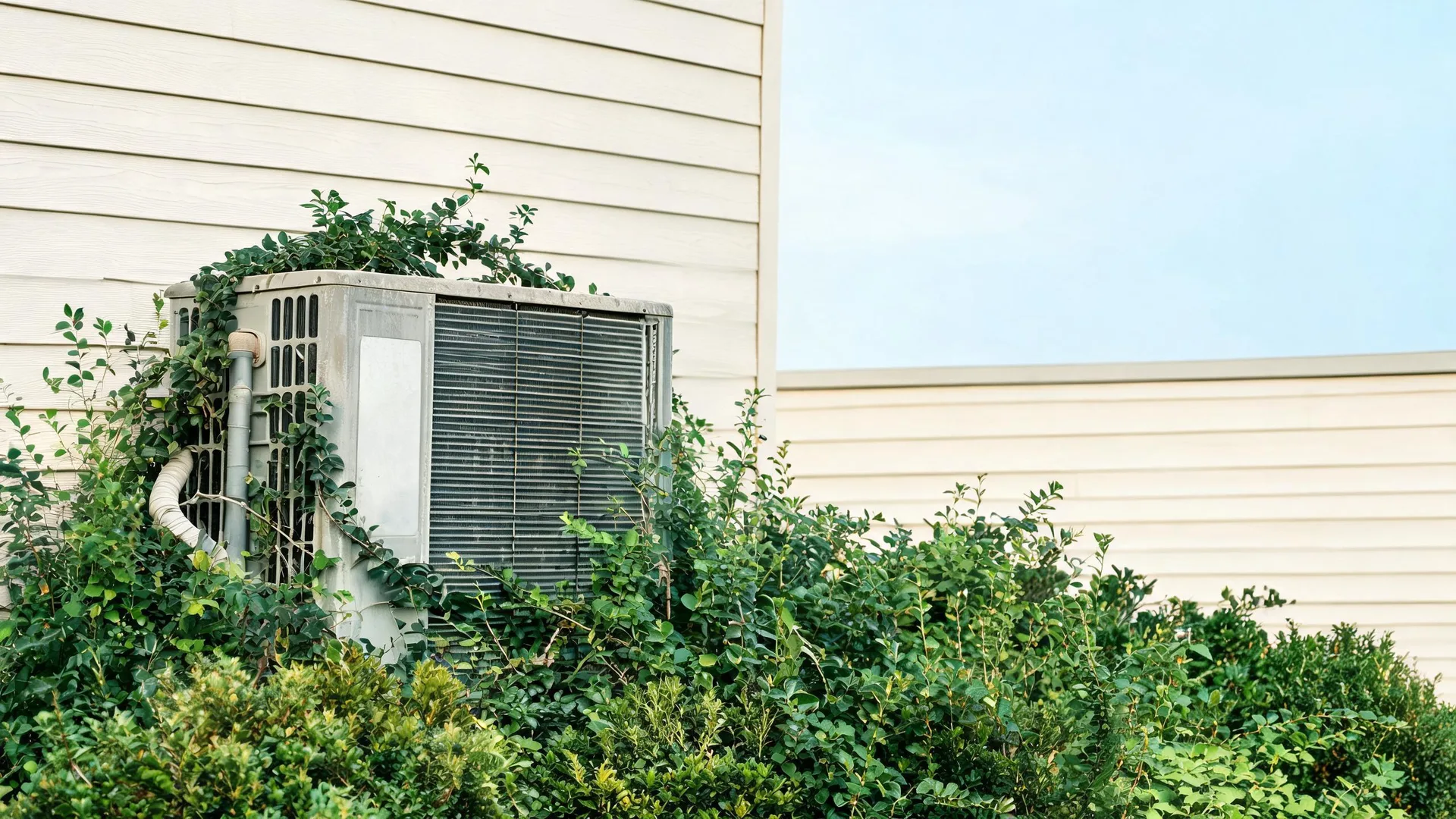
A gray heat pump condenser unit mounted on a concrete pad against the gray lap-siding exterior wall of a house.

The part that failed matters less than how old the system is and how often it's called for help

Age is the first thing worth weighing, and it has nothing to do with what broke this time. A heat pump early in its life is almost always worth repairing, whatever the part. One getting old has less room left to spend on repeated fixes before the money spent chasing failures outweighs putting it toward a new system. The second thing is what already failed. A capacitor or a contactor is a small, cheap part doing a small job, and replacing one tells you nothing bad about the rest of the system. A compressor is different. It's the most expensive part in the cabinet, and a failing one is often a sign the system was already struggling before it gave out. The third thing is whether this is the first failure or the latest in a string of them. One repair is just a repair. A system calling for service every season is spending money without fixing the thing actually wrong with it.

The reversing valve is unique to this machine

A furnace or a straight air conditioner doesn't have one. A heat pump does, and it's what switches the system between heating and cooling. When it sticks, the unit can get stuck in one mode, or run but blow air that isn't the temperature it should be. A valve that hums and won't throw is a common failure, not a rare one.

The compressor rarely fails on its own

By the time a compressor is bad, something else usually drove it there. A slow refrigerant leak makes it run hotter than it should. A failing capacitor makes it struggle to start, cycle after cycle, until it gives out. Catching the leak or the capacitor early is what keeps the compressor out of the conversation at all.

A refrigerant leak is the clearest case. A heat pump low on charge still moves heat, just less of it, so the unit runs longer to make up the difference. That extra runtime pushes the compressor hotter than it was built to run, and heat is what wears a compressor down. The same goes for a dirty coil choking off airflow, or a failing capacitor making the compressor struggle through every start. None of those stop the system from running. They just make it run hurt, and a system running hurt is spending the compressor to do it. Shutting it down and getting the actual problem looked at is what keeps the damage from spreading to a part that was fine to begin with.

A diagnostic visit starts before any panel comes off. A tech will ask what the system is doing, when it started, and whether it happens in heating, cooling, or both, because the answer narrows things fast. Then comes the gauges, checking refrigerant pressure on both sides, and a meter on the capacitor and the contactor to see if they're holding the values they should. The outdoor coil gets a look for dirt or frost that shouldn't be there, and the indoor coil and filter get checked too, since airflow problems on one side often show up as symptoms on the other. If the reversing valve is suspect, the tech will run the system in both modes and listen and feel for whether it actually throws when it's told to. Most of this is confirming or ruling out the usual suspects, not hunting for something exotic.