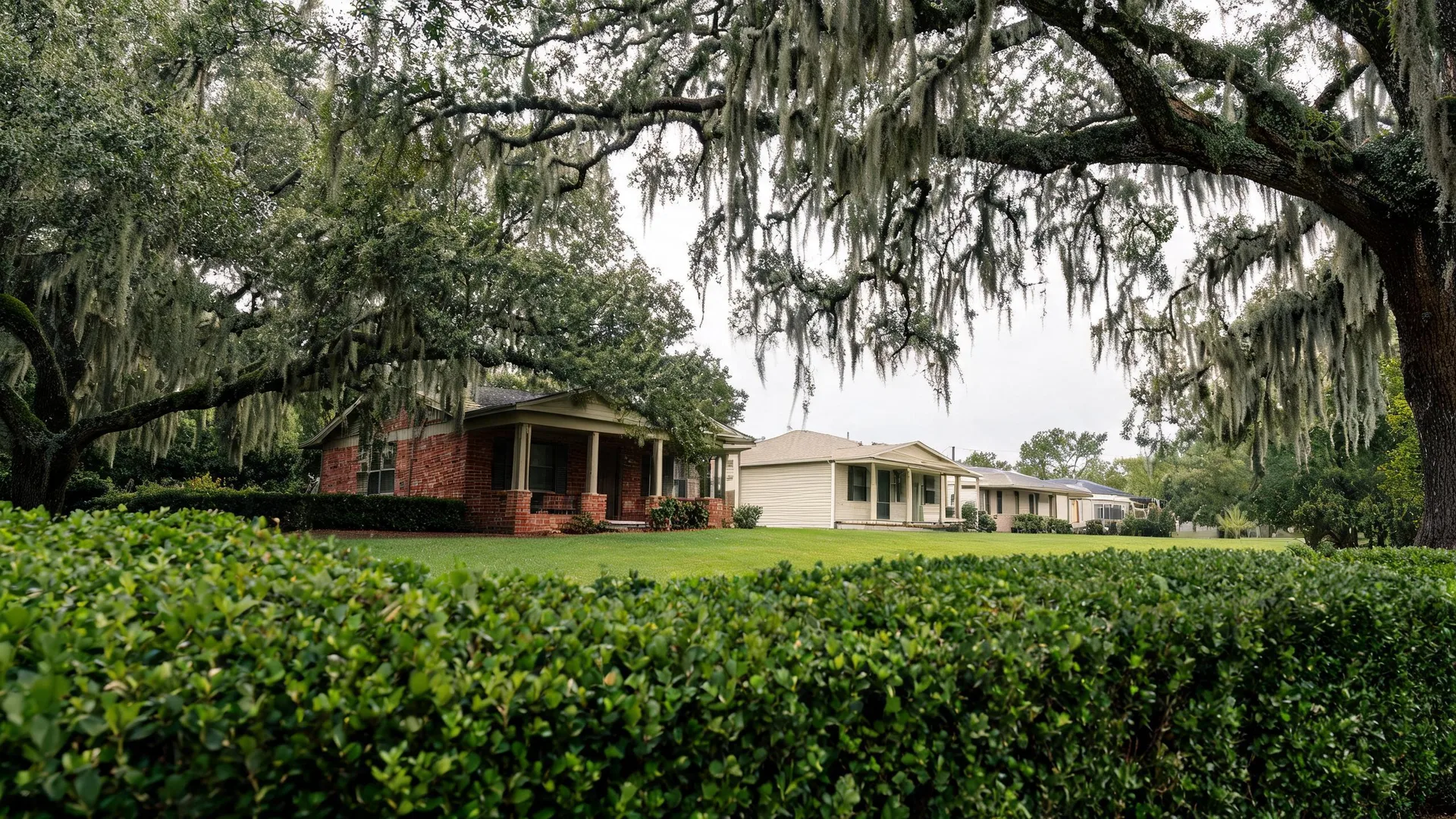





A single-story brick house with a covered porch sits on a mown lawn behind a long trimmed hedge, framed by large oak branches draped with hanging moss, with additional light-colored houses in the background under an overcast sky.

Heat Pump Repair in Searcy, AR

Tell us about the job

Takes about a minute. No obligation.

RepairHeat PumpWhite County, AR
Step 1 of 2

What ZIP code is the job in?

A heat pump that needs a second repair in the same year is telling you something. Look at the age of the unit and what's failing. A bad capacitor or a stuck contactor is a small fix on a system that's otherwise sound. A failing compressor is a different conversation, since that's the heart of the unit and often costs close to what a new system would run. Refrigerant leaks matter too. One leak gets patched and that's the end of it. A unit that keeps losing charge has a bigger problem, and chasing leaks on an aging system can cost more over time than putting that money toward a replacement. If your heat pump is older and the repairs are starting to stack up, it's worth asking the technician straight out whether this is the last one worth paying for.

6 months
November through April, your system heats
5 months
May through September, it cools
33°F
the average winter night it heats against
90°F
the average summer afternoon it cools against
Isometric cutaway illustration of a small house showing interior ductwork and an air handler connected by lines to an outdoor condenser unit on a pad beside the building.
Your system heats November through April and cools May through September.

NOAA nClimDiv, 1991–2020 normals

Half the homes in White County were built in 1992 or later.

A heat pump that came with a newer house still has working life in it, and that favors repair.

November is when a weak heat pump quits here

Cooling runs May through September
Heat runs November through April
39 hail events from 2015 to 2024

White County recorded 39 hail events between 2015 and 2024. That's a roof and siding problem more than a heat pump problem. The outdoor unit sits low, with a metal or composite cabinet over the coil, and hail that dents a panel rarely touches what makes the system run. If a tech finds the cause of a breakdown here, it's almost always the same handful of things that fail on a heat pump anywhere. A capacitor. A contactor. A low charge. Nothing about this county's weather is putting extra wear on the parts that actually break.

Repair it

If your system came with a newer house, it likely has plenty of life left. Repair is usually the right call.

Find a contractor
A gray heat pump outdoor unit mounted on a concrete pad next to the stone-accented exterior wall of a house.

Running on a bad part doesn't buy you time

A heat pump that's low on charge or struggling to defrost doesn't fail outright. It keeps running in a weakened state, and that's worse than it sounds. A compressor pumping refrigerant that's too low runs hotter than it's built for, and that heat shortens its life every hour it keeps going. A coil icing over from a bad defrost cycle blocks more airflow the longer it sits, so the system works harder to move less heat and the ice just builds further. Letting a known problem ride because the system is still technically running usually turns a part replacement into a compressor replacement.

Check the thermostat first

Make sure it's set to heat and the setpoint is above room temperature. Check the batteries if it has a screen that looks dim or blank. If the system is running but blowing air that feels cool, that can be normal for a heat pump on a mild day and not a sign of failure.
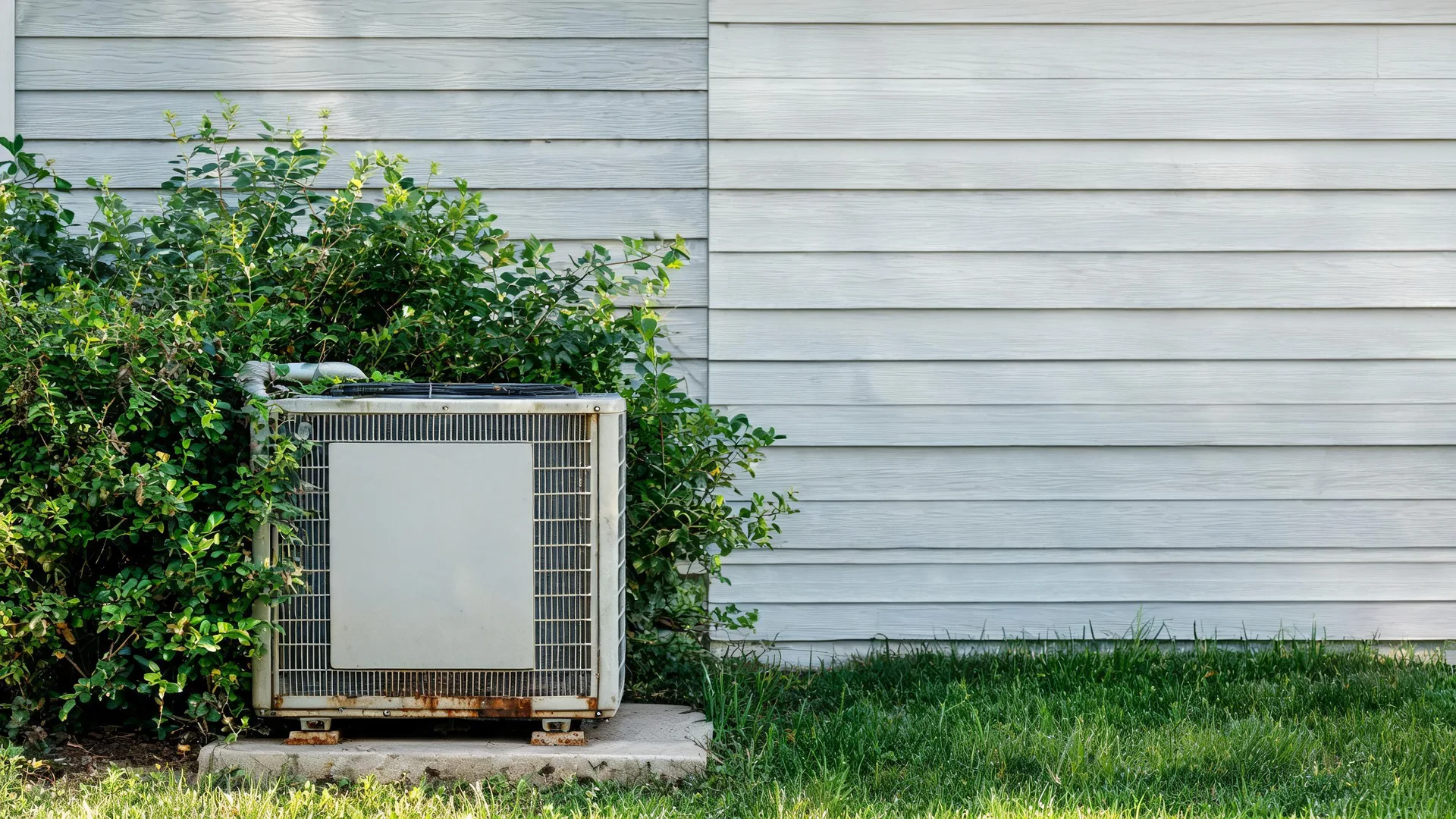
Look at the outdoor unit

Walk outside and see if the fan is spinning and the unit is making noise. Clear away leaves, mulch, or anything piled against the cabinet, since blocked airflow around the coil can shut the system down or make it struggle. A thick, even coat of frost or ice over the whole unit outside of a normal defrost cycle means it needs a technician, not a homeowner fix.

Most heat pump failures trace back to the same few parts. The capacitor gives the compressor and fan motor their starting kick, and it weakens with age until the system hums but won't start, or short cycles on and off. A contactor can stick or pit from years of opening and closing, so the outdoor unit either won't fire up or won't shut off. Refrigerant doesn't get used up, so a low charge always means a leak somewhere in the lines or coil, and topping it off without finding the leak just buys a little time. The reversing valve is the part unique to a heat pump, and when it sticks, the system blows cold air in heating mode or won't switch over at all. Outdoors, a coil caked with dirt or a defrost control that's failed can leave ice built up to the point the unit can't pull heat from the air.

A diagnostic visit starts outside at the unit itself. The technician checks for voltage at the contactor, tests the capacitor's output against what it's rated for, and watches how the compressor and fan behave when the system calls for heat or defrost. Gauges go on the lines to read refrigerant pressure, since that number tells a trained eye whether the charge is right or something's leaking. Indoors, they'll check the air coming off the vents against the air going in, which shows whether the system is actually moving heat the way it should. If the reversing valve is suspect, they'll run the system in both modes and listen for it to shift. None of this takes guesswork. The readings either point to a part that's failed or they don't, and a good technician will show you the number on the gauge or the meter rather than just tell you to trust them.