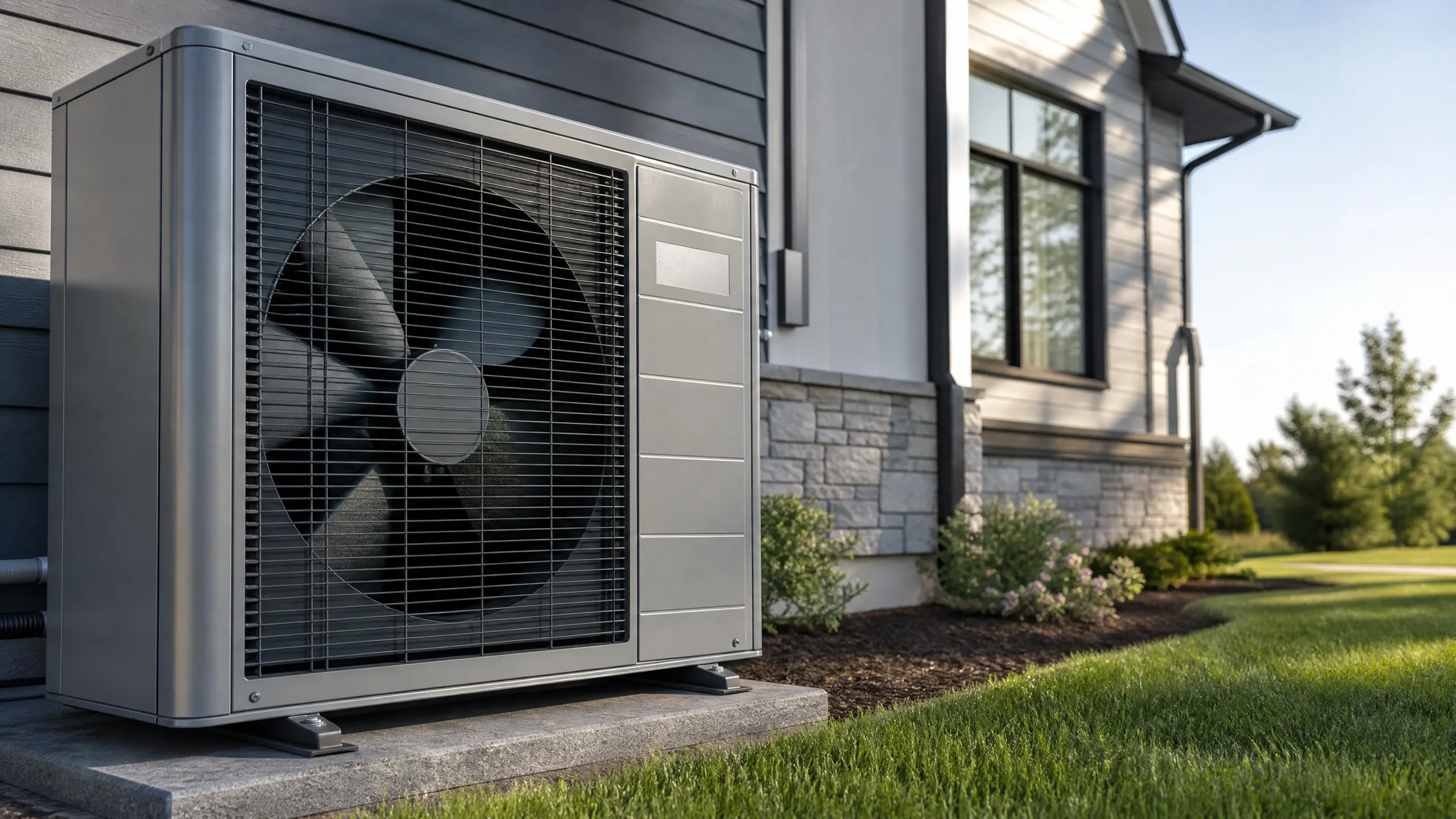





A grey heat pump outdoor unit mounted on a concrete pad against the exterior wall of a house with grey siding and stone veneer.

Heat Pump Repair in Stuttgart, AR

Tell us about the job

Takes about a minute. No obligation.

RepairHeat PumpArkansas County, AR
Step 1 of 2

What ZIP code is the job in?

October is worth watching. Heat pumps in Stuttgart switch over to heat for the first time that month, and that's when a weak part finally gets tested. A capacitor or contactor that limped through five months of cooling can fail the first cold morning it's asked to run the reversing valve and push heat instead. Homes here run heat from November through March, so a problem that starts small in October only gets more use put on it as the months go on. If the system is blowing cool air or short cycling once the weather turns, that's the time to get it looked at, not after a few weeks of it running wrong.

5 months
November through March, your system heats
5 months
May through September, it cools
36°F
the average winter night it heats against
90°F
the average summer afternoon it cools against
Isometric grayscale illustration of a cutaway house showing interior rooms, ceiling ductwork connected to an indoor air handler, and an outdoor condenser unit beside the exterior wall.
Your system heats November through March and cools May through September.

NOAA nClimDiv, 1991–2020 normals

Warm air that never quite feels warm often means the reversing valve is stuck between heating and cooling.

A stuck reversing valve only wears further the longer the heat pump keeps running on it.

Arkansas County sees normal weather for this machine

80 severe weather events from 2015 to 2024
24% of homes statewide lost power a day or more in 2024
44 damaging wind events from 2015 to 2024

Half the homes in Arkansas County were built in 1978 or earlier, and half in 1978 or later, and that split doesn't change what a heat pump needs. An older house can have a heat pump installed last year. A new house can still be running the one it was built with. What matters is the unit itself, not the walls around it. Mobile homes are part of the housing mix here too, and the heat pump serving one isn't a different machine than the one serving a site built house next door. A stuck reversing valve or a weak capacitor gets fixed the same way regardless. What decides how this goes is how soon it gets looked at, not what kind of home it's attached to.

Get it looked at early

Problems tend to show up in the first weeks of the season, when the load hits a part that was already weak.

Find a contractor
A gray air-source heat pump mounted on a concrete pad next to a house with gray vinyl siding, surrounded by gravel and flanked by green shrubs and white hydrangea flowers.

A machine that never gets a season off

A heat pump works year round, so it never gets the long rest a furnace or an AC gets when the season ends. Every part on it ages on both sides of the calendar. The compressor runs through summer and winter both, and that's usually where age shows up first, in a unit that struggles to hold its charge or trips its overload. The reversing valve only moves when the system switches between heating and cooling, so a weak one often seems fine for months and then sticks the first time it's asked to change direction. Capacitors weaken slowly and fail at the worst moment, usually on the first real demand after they've been coasting. Outdoor coils take the brunt of the wear because they sit outside in everything, and a dirty or bent coil makes the whole system work harder to move the same heat. None of these parts fail because the unit is old. They fail because they were already weak and the next cycle found it.

A small problem doesn't hold still

A refrigerant leak stays a small leak only if the compressor stops pulling vapor through it. Keep running the system low on charge and the compressor runs hotter and wears faster, and what started as a slow leak turns into a compressor that needs replacing. The same goes for a dirty outdoor coil. It starts as reduced airflow and ends with a compressor straining against pressures it wasn't built to hold.
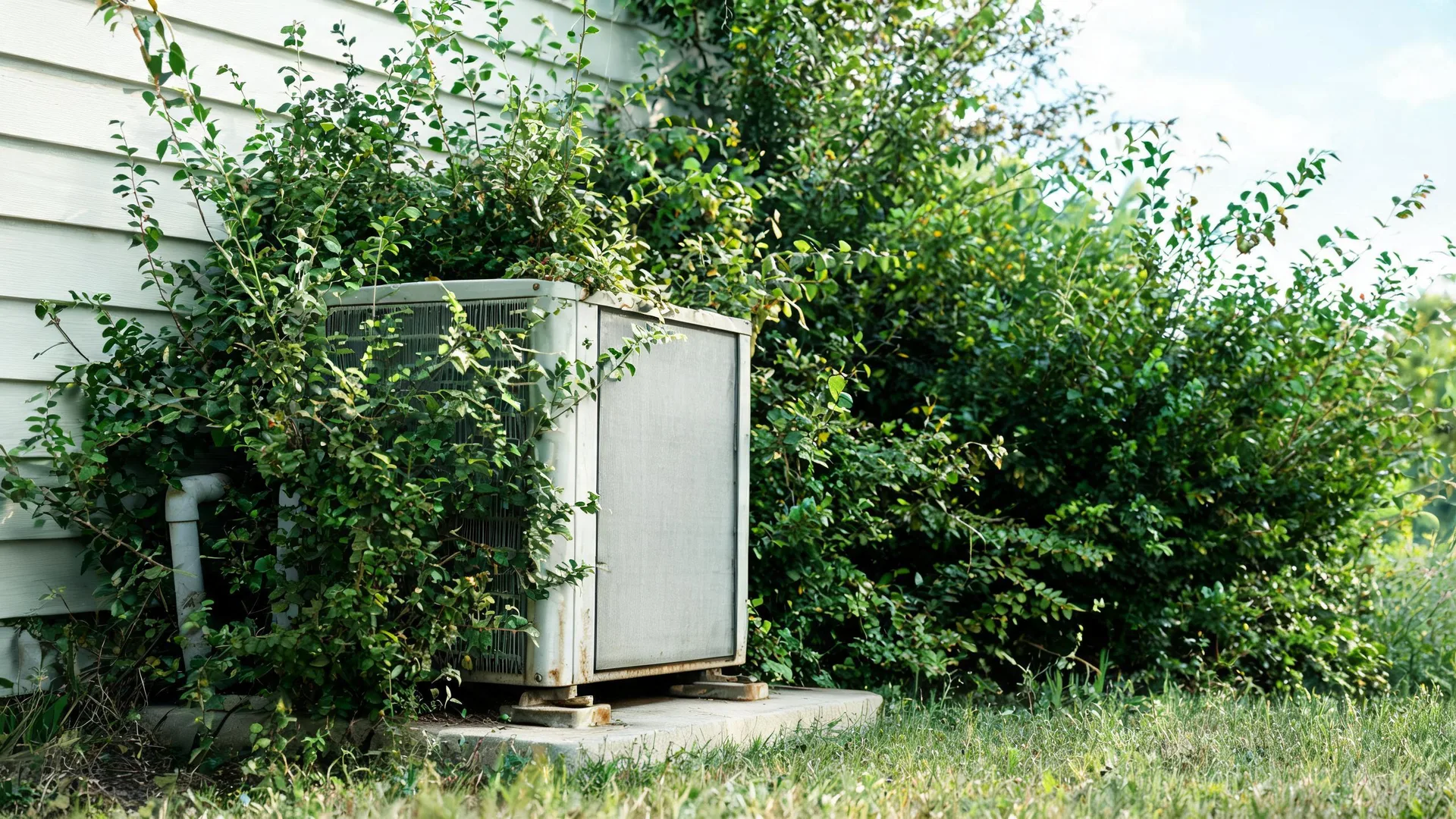
Short cycling feeds on itself

A heat pump that shuts off and restarts every few minutes is usually reacting to something, a clogged filter, a failing capacitor, a sensor giving it bad information. Each short cycle puts a hard electrical draw on the compressor at startup, the point in its life it's least built for. Letting it keep short cycling while you wait doesn't give the part time to recover. It just adds more hard starts to a part that's already struggling with the ones it's had.

Before calling anyone, check the thermostat is set to heat, not auto, and the temperature is set above room temperature. Go to the air handler or furnace closet and look at the filter. If it's gray or clogged, swap it, since restricted airflow alone can make a heat pump blow cool air or trip off early. Check the outdoor unit. If the coil is covered in leaves, caked with dirt, or iced over outside of a normal defrost cycle, that's worth noting for whoever comes out. Check the breaker box for a tripped breaker on the outdoor unit, since a heat pump that won't start at all sometimes just needs that reset. If the air coming out is cool rather than warm and none of this changes it, that points at the reversing valve or the compressor, and that's not something to keep testing yourself.

A diagnostic visit starts outside, at the unit itself. A tech checks the refrigerant charge against what the system calls for. Too little or too much pressure changes how well it heats. They run the system in heating mode and watch whether the reversing valve actually shifts. A valve that hums but doesn't move is a different repair than one that moves but leaks. The capacitor gets tested under load, not just looked at. It can look fine sitting still and still fail to start the compressor. The outdoor coil gets checked for airflow restriction, and the indoor side gets the same look, filter and blower included. Each reading either clears a part or points to it, and that's what tells the tech whether the fix is a part swap or something bigger.