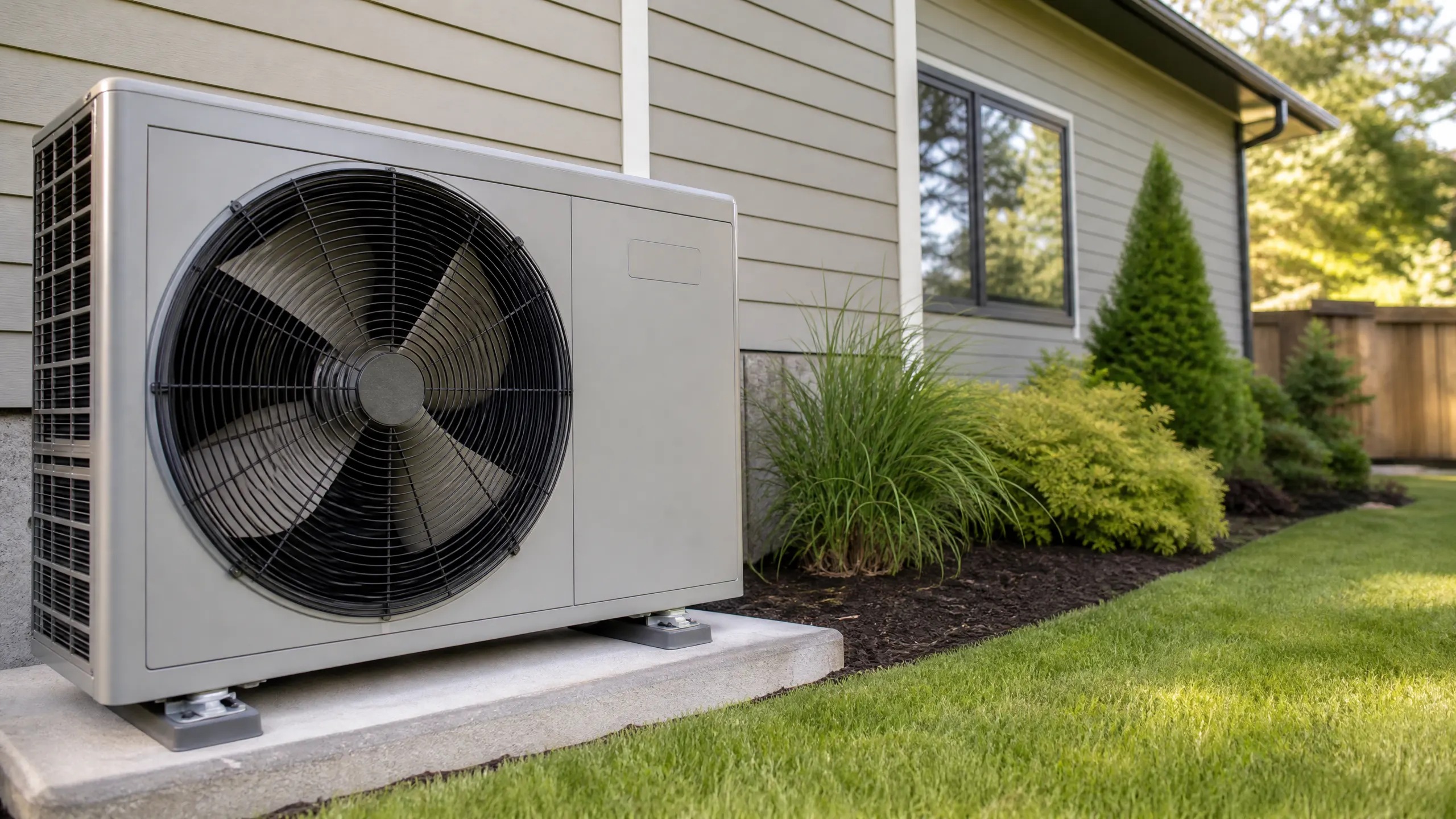



An outdoor heat pump unit mounted on a concrete pad beside a house with beige siding and a landscaped garden bed.

Heat Pump Repair in Ozark, AR

Tell us about the job

Takes about a minute. No obligation.

RepairHeat PumpFranklin County, AR
Step 1 of 2

What ZIP code is the job in?

A tech starts outside at the condenser, checking the compressor, the reversing valve, and the refrigerant charge. If the system is blowing cold air when it should be heating, the reversing valve is often the first suspect since that's the part that switches the unit between heating and cooling. Low refrigerant shows up as ice on the outdoor coil, so the tech will look for that before hooking up gauges. Inside, they'll pull the air handler cover and check the fan motor and the heat strips, since a heat pump that can't keep up in cold weather sometimes has backup heat that isn't kicking in. They'll also check the thermostat settings and wiring, because a miscommunication there can look exactly like a mechanical failure. Once they find the actual cause, they can tell you whether it's a quick fix or something bigger.

7 months
October through April, your system heats
5 months
May through September, it cools
31°F
the average winter night it heats against
89°F
the average summer afternoon it cools against
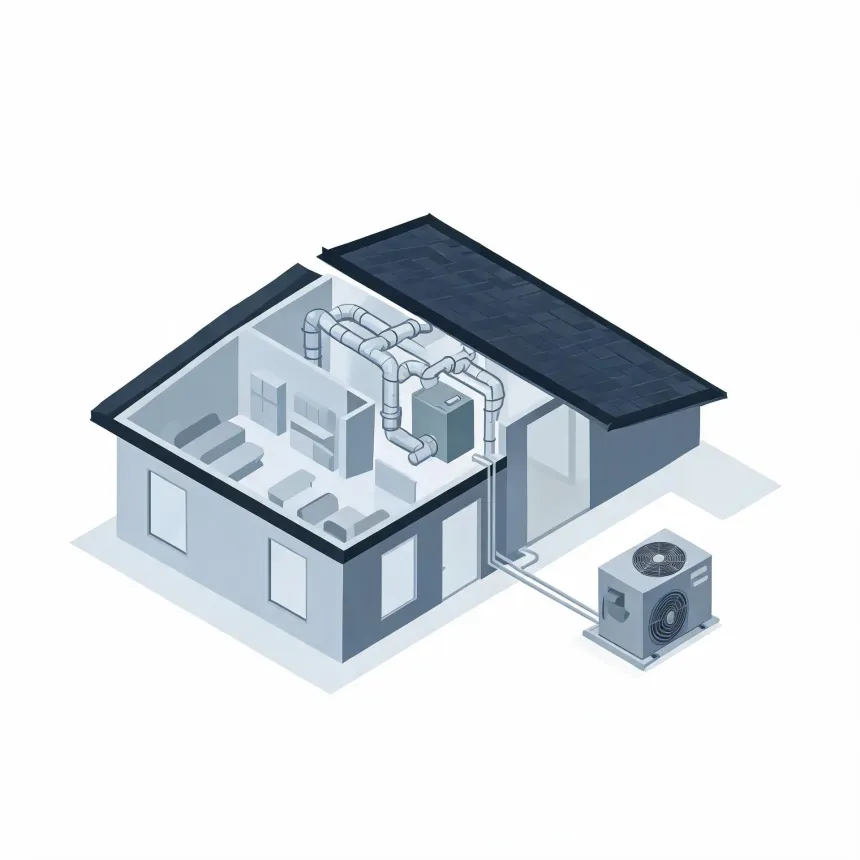
Isometric illustration of a cutaway single-story house showing interior ductwork and an air handler connected by lines to an outdoor condenser unit on a pad beside the building.
Your system heats October through April and cools May through September.

NOAA nClimDiv, 1991–2020 normals

Heat here runs October through April, seven months straight.

A heat pump's reversing valve or heat strips that were already weak tend to fail in the first cold snap of October, when the system first has to work hard.

Nothing unusual here, just an ordinary heat pumpWind and hail hit this county often. Your heat pump's repairs are still the usual ones.

A lot of heat pump failures trace back to the outdoor unit simply running so much. It cycles on and off thousands of times a year, and every cycle puts a small strain on the compressor and the capacitor that starts it. Capacitors weaken slowly, so you might notice the outdoor fan struggling to start or the system running longer than it used to before it quits altogether. Refrigerant leaks are another common cause, usually at a fitting or coil joint, and they show up as ice on the coil or a system that runs constantly without warming the house. The reversing valve fails less often, but when it sticks, the system gets stuck in one mode and won't switch between heating and cooling. Dirty filters and blocked outdoor coils don't break anything directly, but they make every other part work harder, which is usually what shortens their life.

A newer system is usually worth repairing

Half the homes in Franklin County were built in 1985 or later. If that's your house, your heat pump likely still has a lot of working life in it. A repair that fixes the actual cause, whether it's the reversing valve, the capacitor, or a refrigerant leak, is usually the right call before anyone talks about replacing the unit.

Find a contractor
A man in a dark cap, dark long-sleeved shirt and brown work pants walks up porch steps toward a pale green front door, carrying a worn canvas tool bag in his right hand, with a potted evergreen shrub beside the entry.
A dark gray heat pump unit mounted on a concrete pad next to a house with gray siding and a stone veneer wall.

It runs every day, all year, and that adds up

A heat pump works year round, not just in winter, so there's no real off season for it to rest and recover. Every time it cycles on, the compressor has to start under load, and that moment of startup is harder on the system than the hours of steady running that follow. Over thousands of cycles, the wear shows up first in the parts built to handle electrical stress, like the capacitor and the contactor, before it ever shows up in the compressor itself. That's why a unit can seem to fail suddenly when really it's been weakening for a long time. The outdoor coil picks up dirt and debris with every hour it runs, and a coil that's been losing airflow for months will eventually cause the system to ice up or run constantly without catching up. None of this means the unit is near the end. It means the parts doing the most work are the ones worth checking first.

A weak capacitor can take the compressor with it

If the capacitor is failing, the compressor still tries to start every cycle without enough power behind it. That strain heats up the windings each time it happens. A capacitor swap is a simple repair on its own. A compressor that's been struggling to start for weeks is a different job entirely.
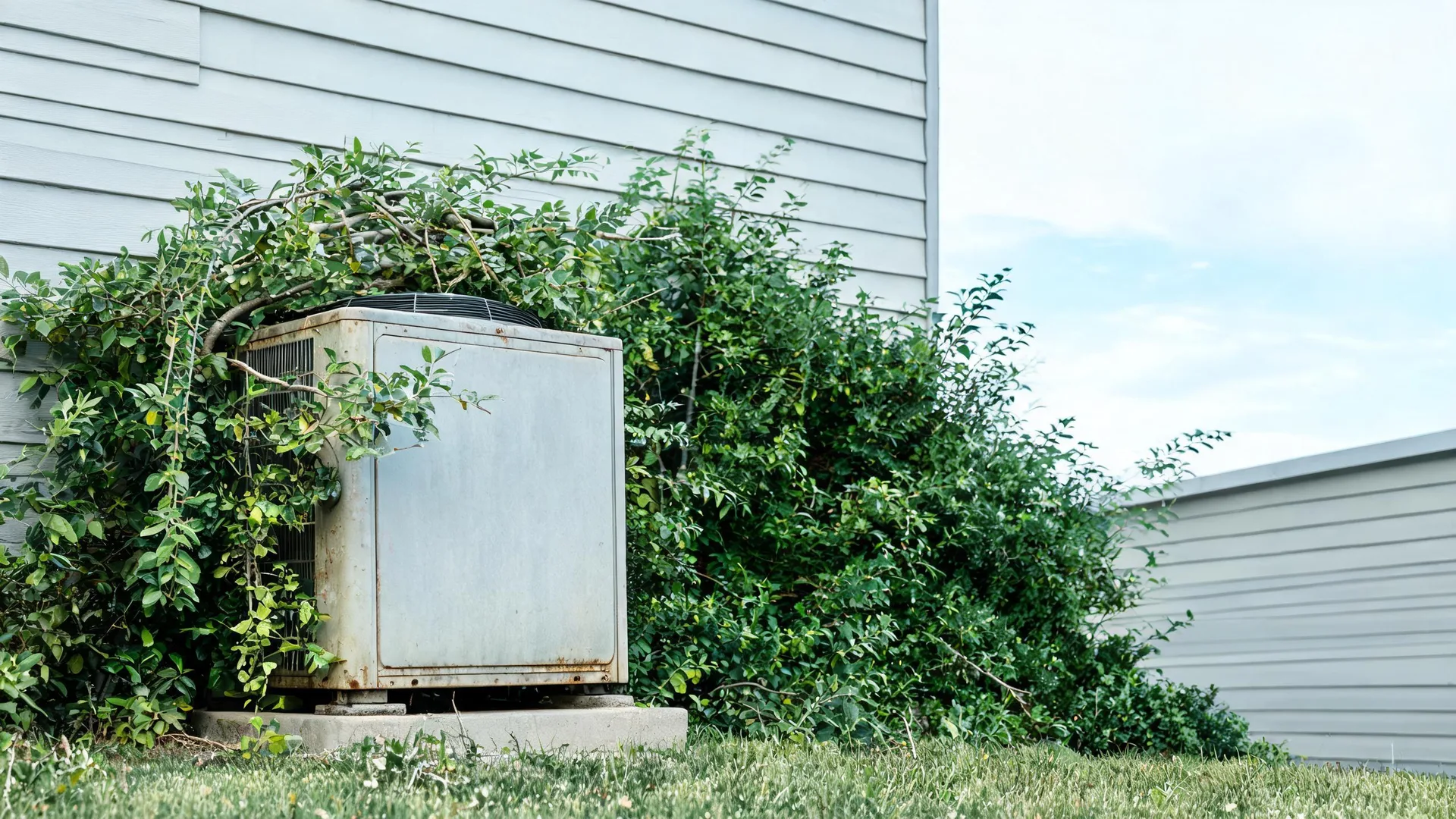
Ice on the coil gets worse, not better, left alone

A low charge or weak airflow lets frost build on the outdoor coil. Once ice covers the coil, the system can't pull heat from the air at all, so it runs constantly trying to catch up. That longer runtime feeds more ice, and the compressor ends up working against a coil that can't do its job.

Before anyone comes out, there are a few things worth checking yourself. Look at the thermostat first. Make sure it's set to heat and the set point is actually above room temperature, since a setting bumped by accident looks exactly like a failure. Check the circuit breaker for both the indoor air handler and the outdoor unit, since a tripped breaker will stop the system cold with no other symptoms. Walk outside and look at the condenser. If the coil is caked in ice or buried in leaves and debris, that airflow problem is worth noting before the tech arrives. Inside, pull the filter and hold it up to the light. If you can't see through it, swap it, since a clogged filter can mimic a bigger problem. None of this tells you what's actually broken, but it rules out the easy stuff first.

Repair makes sense most of the time. Most heat pump failures are one part acting up, not the whole system giving out. A capacitor, a contactor, a reversing valve, a leak at a fitting. Each of those gets fixed on its own without touching anything else. What changes the calculation is a damaged compressor, since that's the one part expensive and central enough to make a tech bring up replacement at all. A compressor that's been starting weak for weeks off a bad capacitor can get damaged in the process. That's why catching the small failure early matters more than people think. Age plays a role too, but it's not the headline. A system that's needed a few different repairs over the years, each for an unrelated part, is just a system that's been running a long time. One that keeps coming back for the same problem is telling you something else.