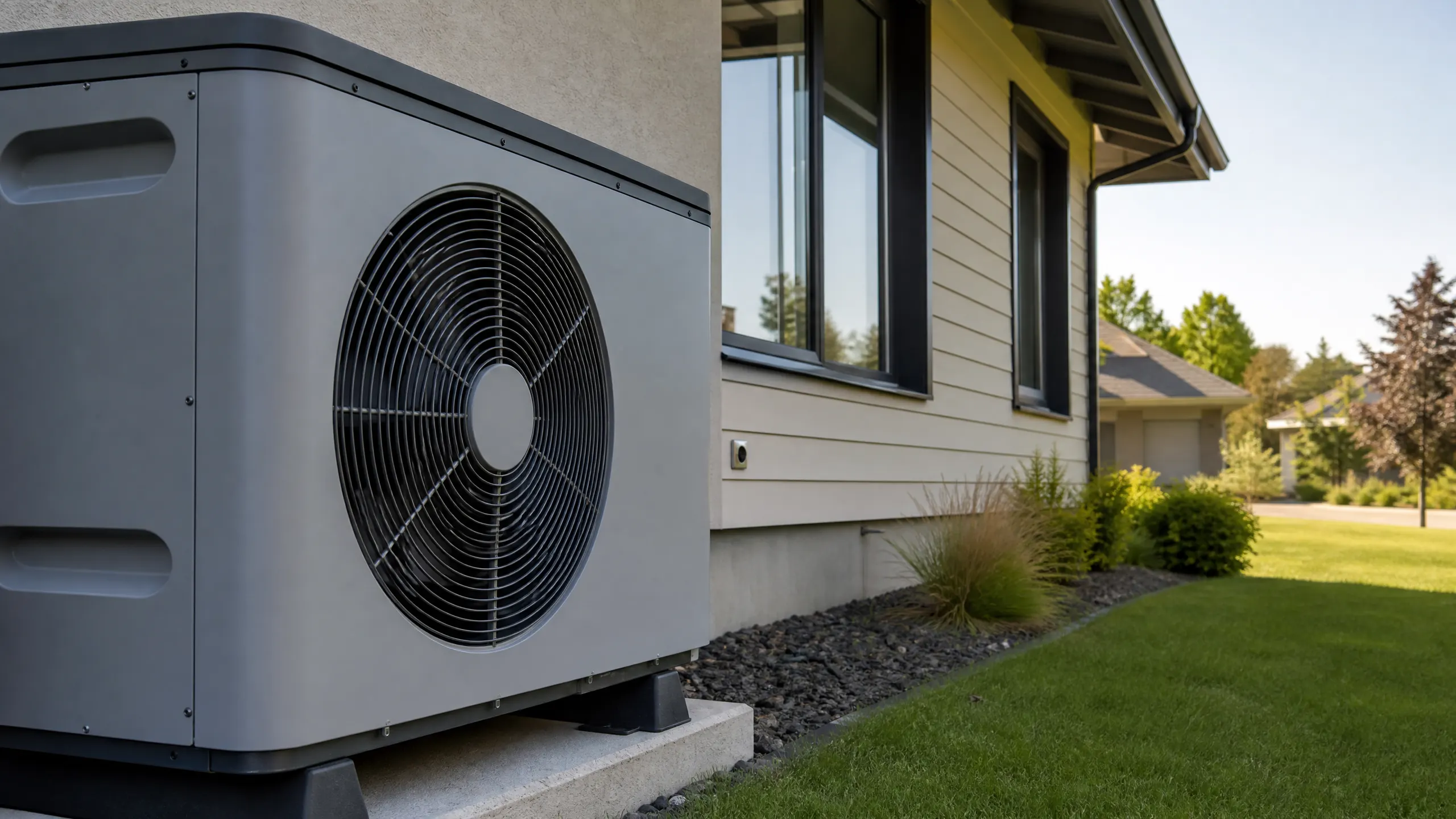





A grey outdoor HVAC unit mounted on a concrete pad beside the beige-sided exterior wall of a suburban house.

Heat Pump Repair in Fort Smith, AR

Tell us about the job

Takes about a minute. No obligation.

RepairHeat PumpSebastian County, AR
Step 1 of 2

What ZIP code is the job in?

Before you call anyone, check the thermostat is set to heat and the setpoint is actually above room temperature. Walk outside and look at the outdoor unit. If the coil is caked in ice, flip the system off and let it thaw rather than running it that way. Check the air filter too, since a clogged one starves the system and can trigger the same symptoms as a real failure. Look at the vents inside and make sure none are blocked by furniture or closed off, which forces the system to work against itself. If the outdoor fan isn't spinning at all, or you hear it humming without turning, that's worth telling the contractor before they arrive, since it points straight at the problem.

6 months
November through April, your system heats
5 months
May through September, it cools
31°F
the average winter night it heats against
91°F
the average summer afternoon it cools against
Isometric cutaway illustration of a single-story house showing interior ductwork, an indoor air handler and furnace unit, and an outdoor condenser connected by a line, on a white background.
Your system heats November through April and cools May through September.

NOAA nClimDiv, 1991–2020 normals

Half the houses in Sebastian County were built in 1981 or later.

A heat pump in a newer Sebastian County home has probably got good years left, which makes repair the right first call.

November is when a heat pump's weak spot finds it

Cooling runs May through September
Heat runs November through April
122 damaging wind events from 2015 to 2024

Call for a repair, not a replacement

Get a repair quote before you get a replacement quote. If your heat pump came with a house built in 1981 or later, it's got years left in it worth repairing for.

Find a contractor
A dark gray heat pump unit mounted on a concrete pad next to a house with gray siding and a stone veneer wall.

Running it through a problem rarely ends well

Ice on the outdoor coil is the clearest case. Once ice forms, it blocks airflow across the coil. The system pulls in less heat, runs longer to make up for it, and builds more ice while it tries. Left alone, it can seal the fan solid. A compressor working against a frozen coil runs hotter than it was built to run. Compressors don't recover from that kind of strain. They wear toward failure faster. A system low on refrigerant fails the same way. It will still blow air, so it's tempting to let it ride. But the compressor depends on that refrigerant to stay cool, and running low means it overheats a little more on every cycle. Neither problem fixes itself by waiting. Shutting the system off until a contractor sees it means a cold day. Running it anyway means a dead compressor.

It's not heating like it should

Air coming out of the vents feels lukewarm instead of warm, or the system runs long stretches without the house catching up to the setpoint. That usually means the heat pump is stuck partway through its job, moving some heat but not enough. A failing reversing valve or a compressor losing strength both show up this way.
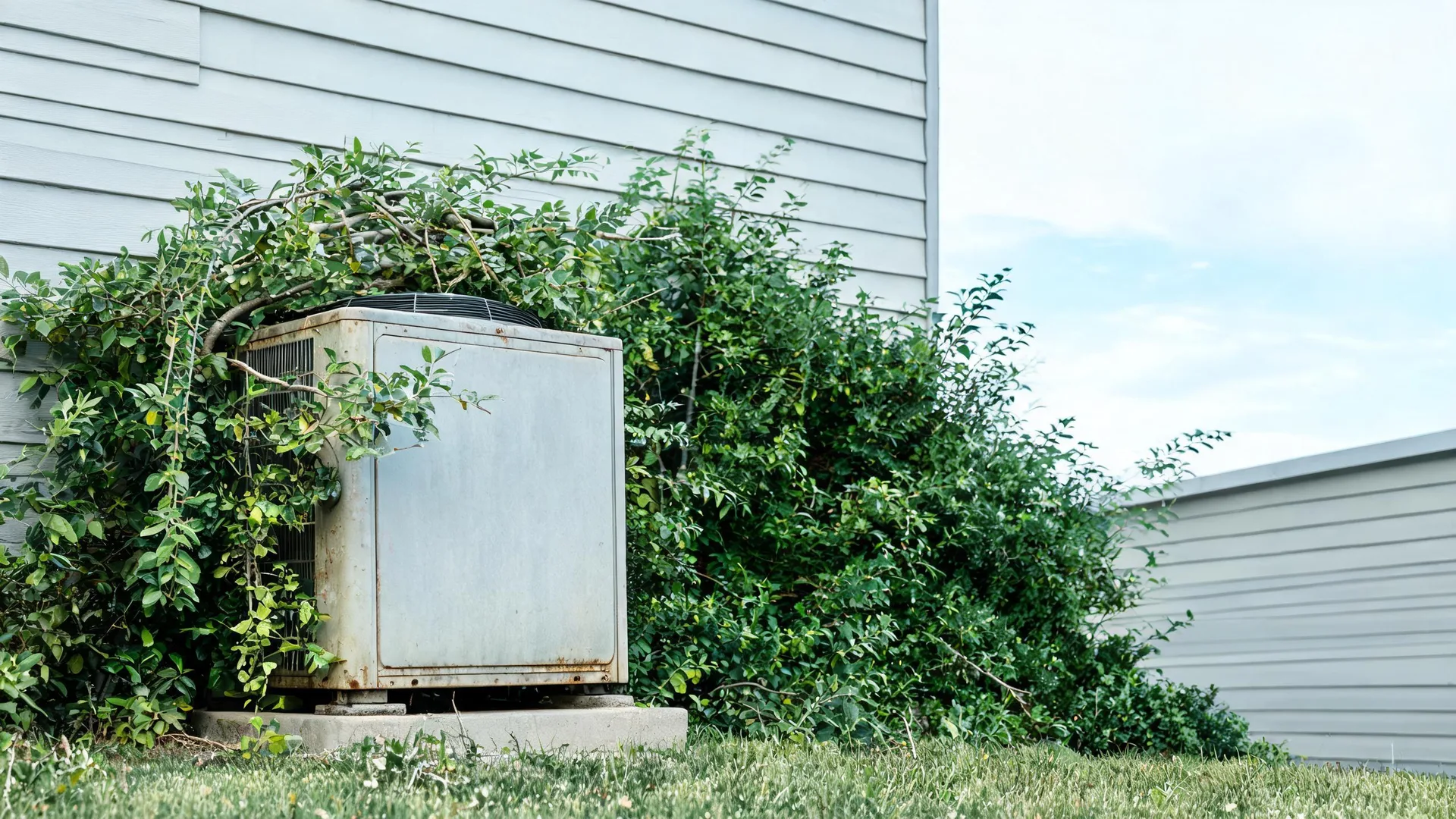
Strange sounds mean something specific

A clicking at startup that never catches into a run cycle points to a failed capacitor or a bad control board. A grinding or screeching from the outdoor unit points to a motor bearing giving out. Buzzing that wasn't there before often means an electrical connection has worked loose. None of these quiet down on their own.

Most heat pump failures trace back to a handful of parts. The reversing valve is a common one. It's what switches the system between heating and cooling, and when it sticks, the system can't shift modes cleanly or gets stuck doing part of the job. Capacitors wear out too, usually showing up as a compressor or fan that hums but won't start. Refrigerant leaks are another, almost always from a worn fitting or a rubbed-through line rather than the refrigerant running out on its own. Outdoor fan motors fail from bearing wear after years of running in the weather. And defrost control boards fail in a way that's easy to miss, leaving the system stuck in heating mode until ice takes over the coil.

A diagnostic call starts outside at the unit, with gauges on the lines. That shows the tech whether the refrigerant charge is right without guessing. They'll check the temperature of the air coming off the coil against the air going into it, which tells them whether the system is actually moving heat the way it should. Electrical readings come next, voltage to the compressor, amp draw on the fan motor, resistance across the capacitor. Any one of those readings can point straight at a failing part before anything gets opened up or replaced. The reversing valve gets tested by switching the system between heating and cooling and feeling whether it actually shifts. Only after all that does a tech say what's wrong and what it takes to fix it.