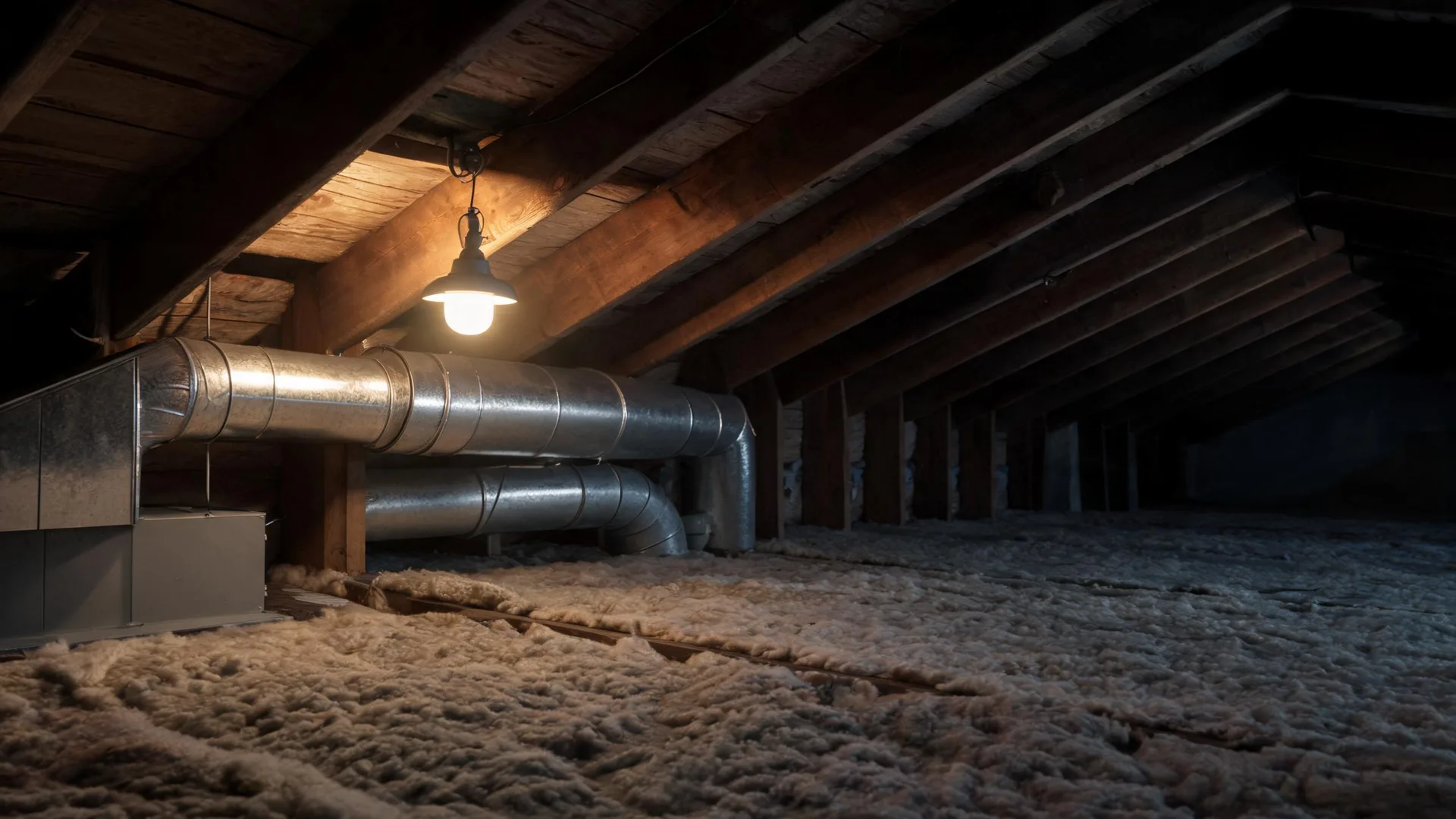
Most homes here run on electric heat
Electricity heats 59.1% of homes in Johnson County, well ahead of gas. Homes set up this way typically already have the electrical capacity a new AC system needs.
Takes about a minute. No obligation.
Electricity heats 59.1% of homes in Johnson County, well ahead of gas. Homes set up this way typically already have the electrical capacity a new AC system needs.
If your furnace or air handler runs on electric heat already, a heat pump can cover your cooling and share the ductwork you have. It's worth asking your contractor whether that fits your setup before you settle on a straight AC swap.
NOAA nClimDiv, 1991–2020 normals
AC runs here from May through September.
April is the month to get a new system installed, before the first hot week puts it to work.



Johnson County falls in zone 3A, and the Southeast efficiency rule applies here, not just the national minimum. A new split-system air conditioner under 45,000 Btu/h has to hit at least 14.3 SEER2. That's higher than the 13.4 SEER2 floor that applies in most of the country. Any system your contractor installs has to meet that number, so it's already built into the quote. A federal tax credit is available for qualifying high-efficiency equipment, which is worth asking your contractor about when you're comparing units.
Johnson County sees its share of hard weather, wind mostly, with some hail and the occasional tornado. None of that calls for anything special from an AC system. A standard unit that meets the SEER2 minimum for this zone will hold up fine here. Focus on getting the sizing and installation right rather than paying more for capacity or efficiency this place doesn't ask for.
Find a contractor
AC runs about five months here, May through September. Afternoon highs average 88°F in June, July and August, which keeps a system cycling on and off rather than running flat out all day. That's five months of real hours on the unit each year. None of it calls for extra size or a higher efficiency rating than the standard already requires. What matters more over that stretch is a clean installation and the right size for the house.
Whoever installs the new system handles removing the old condenser and air handler or coil. The refrigerant gets recovered first, since it can't legally be vented into the air. After that the lines get disconnected, the old equipment comes out, and the pad or closet is cleared for what's going in.
A new condenser doesn't need to sit on the exact same pad, and a new coil doesn't have to be the same size as what's coming out. Ductwork gets checked against the new unit's airflow needs, not just reused as is. If something about the old setup was never right, installing a new system is the chance to fix it.
Estimates for a typical Johnson County home, from EIA household energy data, Arkansas fuel prices and NOAA climate normals. Your home will differ.
On install day, the condenser goes on its pad first and gets leveled, since a unit sitting crooked puts uneven strain on the compressor mounts over time. Refrigerant lines get run or reused, then pressure tested before any refrigerant goes in, so a leak shows up while the lines are still open rather than after the system is sealed up. The coil goes in on the air handler or furnace, and that joint has to be sealed well or the system pulls in air from the attic or crawlspace instead of the house. Once everything is connected, the refrigerant charge gets weighed in to the manufacturer's spec rather than guessed at, and airflow gets checked at the vents. The job isn't done until the system runs a full cycle and actually brings the house down to temperature.