





Two white Southern-style homes with wraparound porches lit by landscape lighting at night, flanked by live oak trees hung with Spanish moss.

AC Installation in Sheridan, AR

Tell us about the job

Takes about a minute. No obligation.

New system or replacementCentral ACGrant County, AR
Step 1 of 2

What ZIP code is the job in?

About half the homes in Grant County heat with electricity, and another 38.4% use utility gas. If your house already has central air, chances are the furnace or air handler sits right next to it, so a new AC just needs to match what's there. Straight electric heat usually means a heat pump or an air handler with a coil, where the AC installation is really swapping that coil and the outdoor unit together. Gas heat usually means a furnace paired with its own coil, so the AC side is more of a standalone job. Either way, whoever installs it needs to know which setup you have before they can size the new unit correctly.

5 months
May through September, your air conditioner is on duty
91°F
the average summer afternoon it cools against
18 hail events
in ten years, and hail bends the fins on outdoor coils
13.4 SEER2
the federal minimum any new unit must meet
Isometric line illustration of a cutaway single-story building showing interior rooms, ceiling ductwork, an indoor air handler, and an outdoor condenser unit connected by a line set.
Your air conditioner works hardest from June through September.

NOAA nClimDiv, 1991–2020 normals

Arkansas homes pay 12.32 cents per kilowatt-hour for electricity.

A properly sized system costs no more to run here than anywhere else in the state.

Grant County weather is rough on equipment, not on sizing

67 severe weather events from 2015 to 2024
24% of homes statewide lost power a day or more in 2024
34 damaging wind events from 2015 to 2024

April is the month to get this done in Grant County. Cooling runs May through September, so a system installed in April is already proven before it has to work. Wait until the heat is on and you're stuck with whatever unit is on the truck that day, sized in a hurry. An April install leaves time to match the coil correctly and catch anything that needs adjusting before the first hot week. Five months of running is a long stretch to find out something was done wrong.

Any new system here has to clear 14.3 SEER2

Grant County falls in the Southeast region, so a new AC has to meet 14.3 SEER2 below 45,000 Btu/h, a higher bar than the national minimum. That rules out the lowest-efficiency units some other states can still sell. A system that meets it may also qualify for the federal tax credit available this year. Worth settling before you compare quotes.

Find a contractor
A gray residential air conditioner condenser unit mounted on a concrete pad in an open grass field.

Five months of 91 degree afternoons, every year

Five months of cooling, with afternoons averaging 91°F in June, July and August, is a steady load on a new system. It isn't running occasionally to take the edge off the heat. It's running most of the day for a third of the year. That's why sizing matters more here than in a milder county. A unit too big short-cycles and never pulls enough moisture out of the air. One too small runs flat out all summer and still can't keep up on the hottest afternoons. Either mistake wears the system down faster than correct sizing would.

The number measures the whole summer, not one day

SEER2 is worked out across every cooling day in the year, mild afternoons and brutal ones averaged together. It tells you how the unit performs over that whole stretch, not what it does on the single hottest afternoon. A unit can carry a strong rating and still struggle once the temperature climbs, because the rating doesn't call out the worst days on their own.

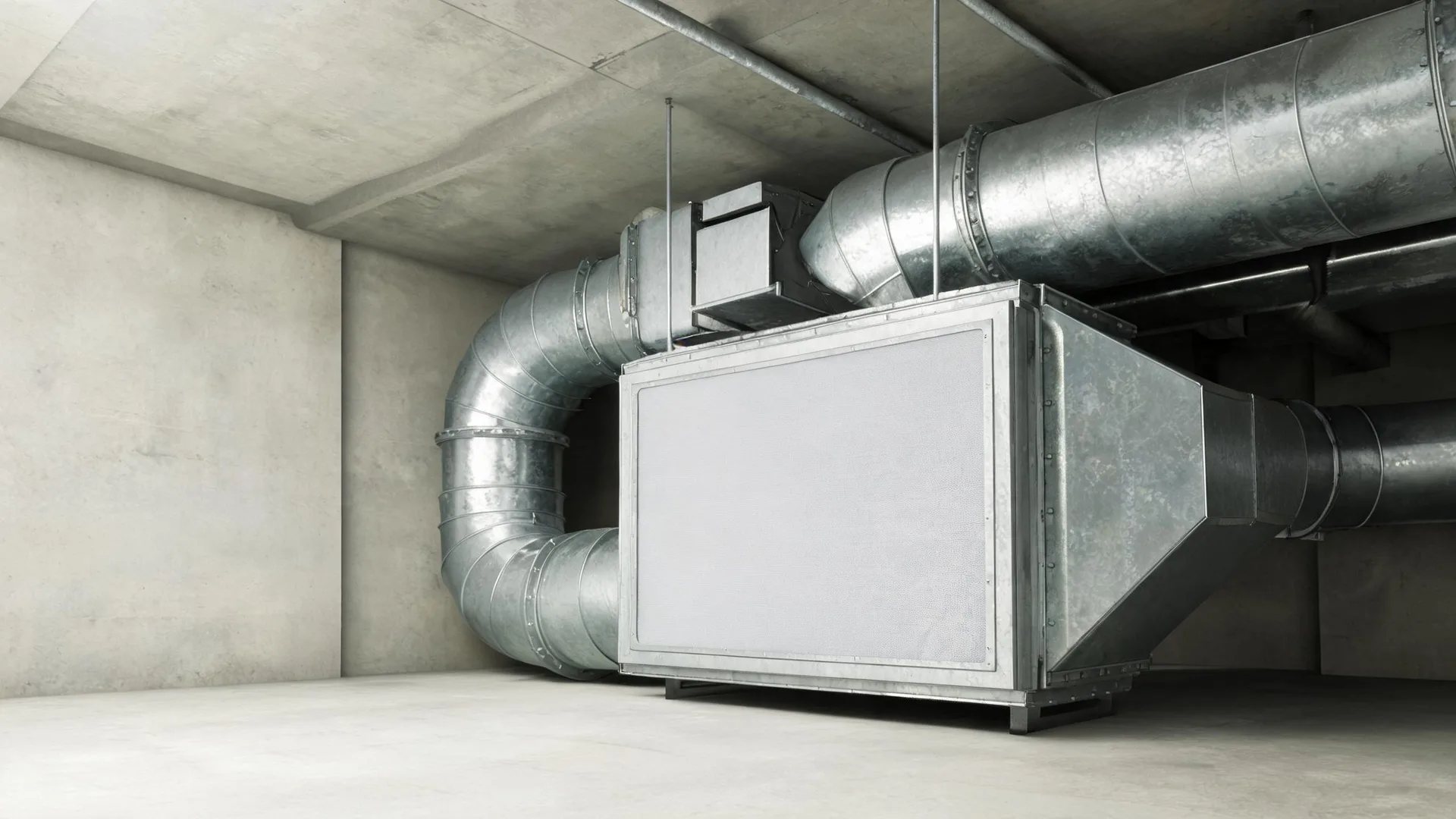
The rating only holds if the install matches it

The number on the label describes the equipment sitting in the box, not what happens once it's set up at the house. A high-rated system that's oversized for the space, or paired with a coil that doesn't match it, won't actually run at that efficiency. Getting the size and charge right is what lets the unit reach the number on its own sticker.

An outdoor air conditioning condenser unit positioned beside a blue-sided house at sunset.

Going above the federal minimum saves little here, about $20 a year.

  • A higher-efficiency unit$330 a year
  • A new unit at the federal minimum, 14.3 SEER2$350 a year

Estimates for a typical Grant County home, from EIA household energy data, Arkansas fuel prices and NOAA climate normals. Your home will differ.

Installation day starts before anyone touches the outdoor unit. The old system comes out first. Refrigerant gets recovered properly rather than vented, then the line set and electrical get checked to see what can be reused. A crew will look hard at the ductwork too, since a new coil moving more or less air than the old one changes how the whole system breathes. Setting the new unit and coil is actually one of the shorter parts of the day. Most of the time goes to brazing the line set, pulling a vacuum on it to clear out moisture and air, then charging it to the exact weight the manufacturer specs. After that comes startup. The tech checks static pressure, airflow across the coil, and the temperature split between the air going in and the air coming out. A system can look finished and still not be running right. That last check is what tells you the install actually matches the rating on the box.