







White two-story houses with wraparound porches and Spanish moss-draped oak trees photographed along a residential street at night.

AC Installation in Harrison, AR

Tell us about the job

Takes about a minute. No obligation.

New system or replacementCentral ACBoone County, AR
Step 1 of 2

What ZIP code is the job in?

Electric heat leads in Boone County, close to half of homes. Gas service, either utility gas or LP, covers most of the rest. An AC installation here is almost always paired with one of those two setups already in place, not built from scratch. If your home already has ductwork for central air or a heat pump, matching what's there keeps the install straightforward. Worth checking which fuel your home runs on before comparing quotes, since that affects what equipment makes sense.

4 months
June through September, your air conditioner is on duty
87°F
the average summer afternoon it cools against
43 hail events
in ten years, and hail bends the fins on outdoor coils
13.4 SEER2
the federal minimum any new unit must meet
Isometric line illustration of a cutaway single-story house showing interior rooms, attic ductwork and an air handler, connected by a line to an outdoor condenser unit on a pad.
Your air conditioner works hardest from June through August.

NOAA nClimDiv, 1991–2020 normals

Summer here runs June through September, with afternoon highs averaging 87°F.

A standard-size system sized to your home handles that fine, nothing oversized needed.

Boone County sees its share of severe weather, but that's a power question, not a sizing one

90 severe weather events from 2015 to 2024
24% of homes statewide lost power a day or more in 2024
37 damaging wind events from 2015 to 2024
Get it in before JuneAC season starts in June and runs through September. May is the month to have the new system in.

Electricity in Arkansas runs about 12.32 cents per kilowatt-hour, well below what most of the country pays. That changes the math on which system to buy. A higher SEER2 unit still uses less power than a standard one, but with power this cheap it takes longer for that difference to show up as real savings. Put the money into the install instead. Correct sizing, good airflow, a unit that matches the ductwork already in your home. Reliability and fit will matter more to you over the years than the efficiency number on the sticker.

Any new AC here has to clear 14.3 SEER2

Boone County falls under the Southeast standard, not just the national one. Any new split system below 45,000 Btu/h has to hit at least 14.3 SEER2, a step above the 13.4 floor required elsewhere. That rules out the lowest-end units some national retailers still list. A federal tax credit is available for qualifying high-efficiency equipment, worth asking your contractor about when you compare quotes.

Find a contractor
A man seen from behind in a navy T-shirt and tan work pants carries a canvas tool bag up concrete steps toward a green front door, with a potted shrub to the right.
An outdoor residential air conditioning condenser unit mounted on a concrete pad, surrounded by gravel with a blue sky in the background.

The size is worked out, not guessed

Sizing comes from a load calculation, not a tape measure on the old unit. A contractor works out how much heat gets into the house on the hottest afternoon. The walls, the windows, the attic, which way the rooms face, how many people usually fill the place. That tells them what the new system needs to remove, no more and no less. Bigger is not safer. An oversized unit cools the air fast and shuts off before it pulls the moisture out, so the house feels cold and clammy at the same time. It also cycles on and off more, and every start puts wear on the compressor. An undersized unit runs the opposite risk. It never catches up on the worst days and just runs nonstop trying. The ductwork has to match too. A correctly sized unit pushing air through ducts that are too small or leaky will not deliver the capacity it's rated for. A contractor worth hiring measures the house instead of quoting a number off the phone.

The old unit gets disconnected and hauled off

A contractor recovers the refrigerant from the old system before cutting into any lines, since it's against the law to vent it into the air. After that the outdoor unit, the indoor coil, and the old line set come out. Most contractors include haul away as part of the install, but it's worth confirming that up front rather than finding a dead AC sitting in the yard after the new one is running.

What stays depends on what still fits

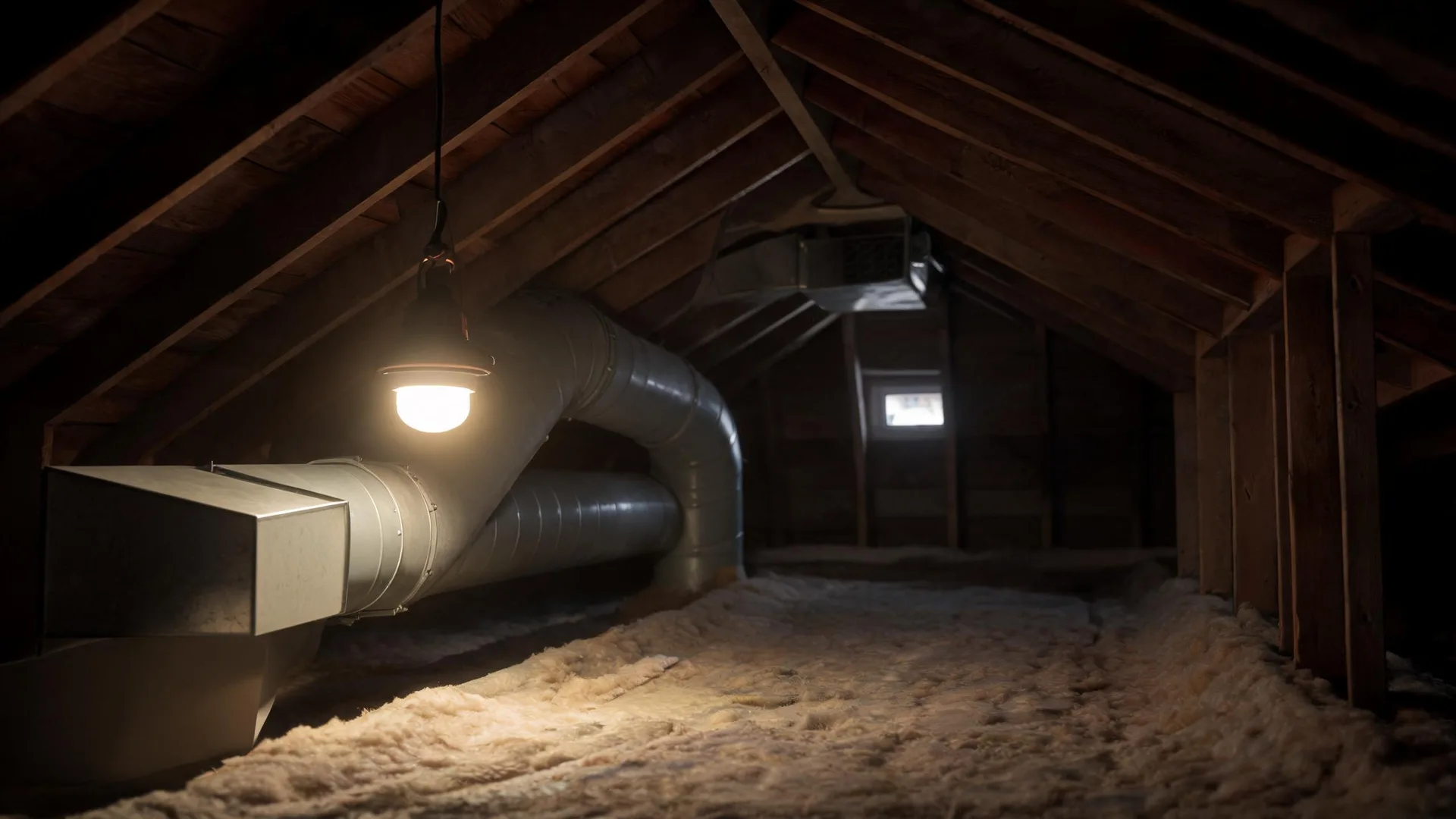
If the new system is a similar size and type, the existing ductwork and line set sometimes carry over, which keeps the job simpler. A change in capacity or a switch from one kind of system to another often means new line sets or duct modifications, since parts sized for the old unit won't necessarily move the right amount of air or refrigerant for the new one.

Aerial view of a gray central air conditioning condenser unit on a concrete pad next to a house with vinyl siding.

Going above the federal minimum saves little here, about $10 a year.

  • A higher-efficiency unit$220 a year
  • A new unit at the federal minimum, 14.3 SEER2$230 a year

Estimates for a typical Boone County home, from EIA household energy data, Arkansas fuel prices and NOAA climate normals. Your home will differ.

Install day starts with the refrigerant lines and electrical disconnected and the old equipment pulled out, then the new line set goes in if the old one isn't being reused. The indoor coil gets set in the plenum above or beside the furnace, and the outdoor unit goes on a pad outside, leveled so the compressor inside it wears evenly. Once both pieces are in place, the lines get connected, the system gets pressure tested to make sure there are no leaks, then pulled into a vacuum to clear out any moisture and air before refrigerant goes in. A unit charged on top of trapped moisture or air will not hit its rated capacity, no matter how well it was sized. After startup, a tech checks the refrigerant charge against the manufacturer's spec, confirms airflow at the vents, and walks the thermostat settings with whoever's home. Expect most of a day for a straightforward swap, longer if ductwork needs work or the line set has to be run new.