






An outdoor air conditioning condenser unit on a concrete pad next to the gray vinyl siding of a residential home.

AC Installation in Hot Springs, AR

Tell us about the job

Takes about a minute. No obligation.

New system or replacementCentral ACGarland County, AR
Step 1 of 2

What ZIP code is the job in?

The old condenser and coil don't just get left behind. Pulling them out is part of the job, and so is dealing with the refrigerant inside the lines. A licensed contractor has to recover that refrigerant properly rather than vent it, so plan on that step happening before anything new goes in. If the system runs on an older refrigerant that's being phased out, that alone can be a reason to replace rather than repair. The old pad, line set and sometimes the ductwork connections get looked at too, since new equipment doesn't always match up the same way the old one did. None of this is something the homeowner has to manage. It just helps to know it's happening, and why the install takes more than an afternoon of bolting in a new unit.

5 months
May through September, your air conditioner is on duty
90°F
the average summer afternoon it cools against
57 hail events
in ten years, and hail bends the fins on outdoor coils
13.4 SEER2
the federal minimum any new unit must meet
Isometric line illustration of a cutaway single-story house showing interior rooms, attic ductwork and an air handler, connected by a line to an outdoor condenser unit on a pad.
Your air conditioner works hardest from June through September.

NOAA nClimDiv, 1991–2020 normals

Electricity heats 65.8% of homes in Garland County.

A new AC here most likely pairs with electric heat, so the installer is working with wiring and a system already built around it, not against it.

Cooling starts in May. Get the new system in before then.

Cooling runs May through September
Climate zone 3A
Power costs 12.32 cents a kWh statewide
Power here is cheapArkansas homes paid 12.32 cents per kilowatt-hour in 2024, below the national average.

Cooling runs May through September here, five months of the year, and the afternoon high averages 90°F across June, July and August. A system sized for this county spends most of its working life at or near full load, not idling along on mild days. That's the stretch where an undersized unit falls behind and an oversized one short cycles, and either way the wear shows up sooner than it should. Garland County also sees frequent hail, so whatever goes in outside needs to take a hit and keep running. Picking the cheapest unit on the list is a different decision than picking the right one for what this county does to it every summer.

A new AC here has to meet a higher bar than most of the country

Any new system here has to meet 14.3 SEER2, the regional minimum for this size of unit, which is higher than what the rest of the country requires. That rules out some of the cheaper units on the market before you even start comparing. A federal tax credit is available for qualifying high-efficiency equipment, which helps offset the difference.

Find a contractor
A gray residential air conditioning condenser unit mounted on a concrete pad outdoors, surrounded by green grass under a partly cloudy blue sky.

Five months a year, every year

Five months of cooling, running near full load on the hottest days, adds up fast once a system is in the ground. That's the case for getting the sizing and the installation right the first time, since this one won't get a break before the work shows up. When you're comparing bids, ask what load calculation the contractor ran for your house, not just what unit they're quoting. The right size for the county isn't automatically the right size for your home.

Sizing comes from a room by room calculation

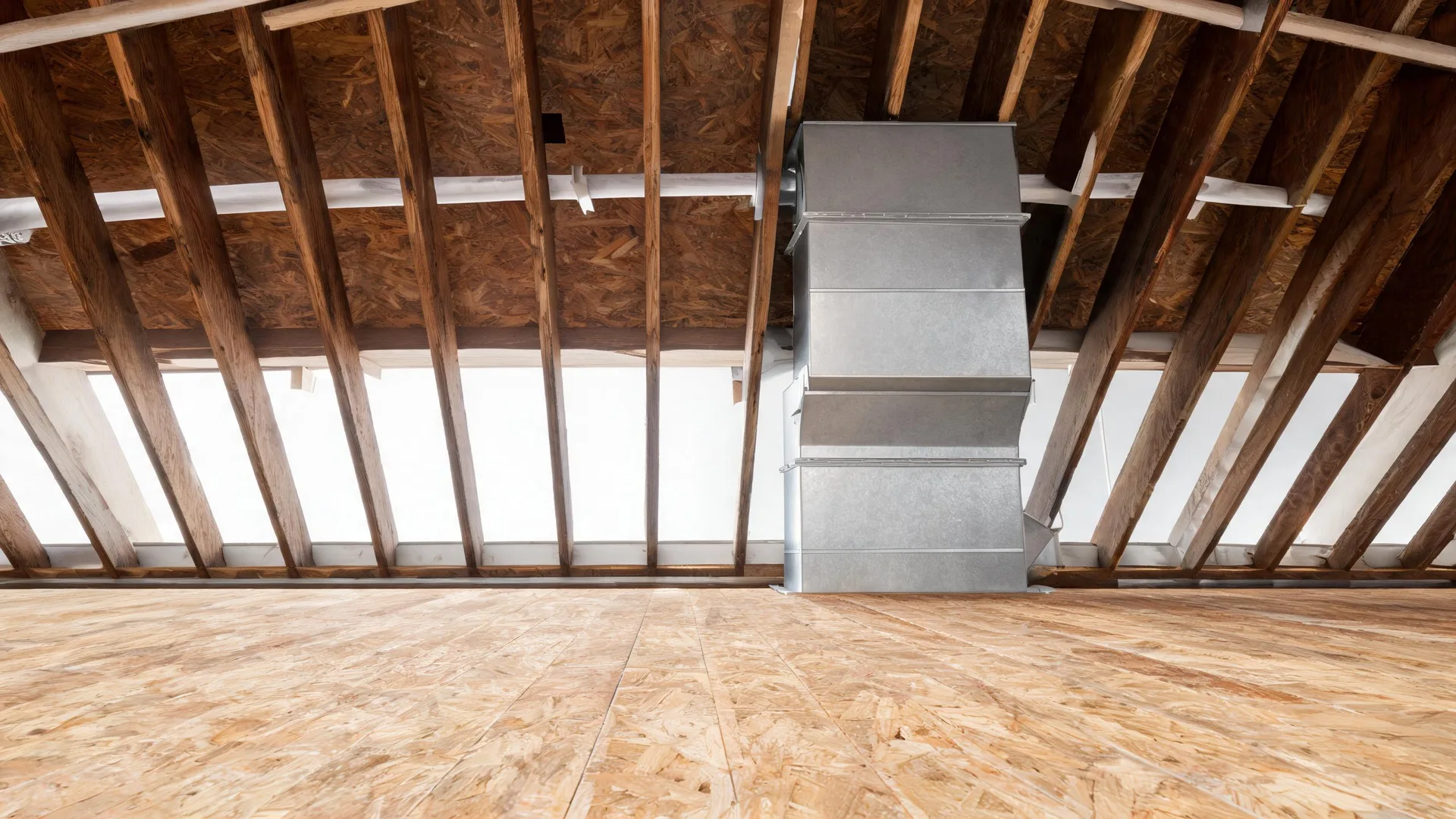
A contractor measures the house itself. Square footage, window area, insulation, ceiling height, which way rooms face, all of it factors in. That calculation, not the size of the old unit, is what tells them how much cooling capacity the house actually needs. Replacing an undersized or oversized system with the exact same tonnage just repeats whatever mistake was made the first time.

Both wrong sizes fail, just in different ways

A unit that's too small runs constantly and never quite catches up to the thermostat setting, especially on the hottest afternoons. A unit that's too big cools the air fast and shuts off before it's pulled the moisture out, so the house feels clammy even at the right temperature. Oversizing also means more starts and stops. The compressor takes the most wear right at each startup.

Overhead view of an air conditioning condenser unit on a concrete pad next to a house with asphalt shingle roofing and vinyl siding.

Going above the federal minimum saves little here, about $10 a year.

  • A higher-efficiency unit$300 a year
  • A new unit at the federal minimum, 14.3 SEER2$310 a year

Estimates for a typical Garland County home, from EIA household energy data, Arkansas fuel prices and NOAA climate normals. Your home will differ.

When quotes come in, ask what SEER2 rating is actually being quoted, not just the tonnage, since the same size unit can carry different efficiency ratings at different prices. Ask what the warranty covers on the compressor versus the labor to replace it, because those are often different lengths and sometimes different companies entirely. Ask whether the quote reuses the existing line set or runs new, since reusing it only works if the diameter matches what the new system needs. Ask what happens to the ductwork if the airflow requirements changed, because a bigger coil or a higher-efficiency air handler can need more return air than the existing ducts supply. A contractor who answers these without pausing has already run the numbers. One who hasn't is still guessing alongside you.