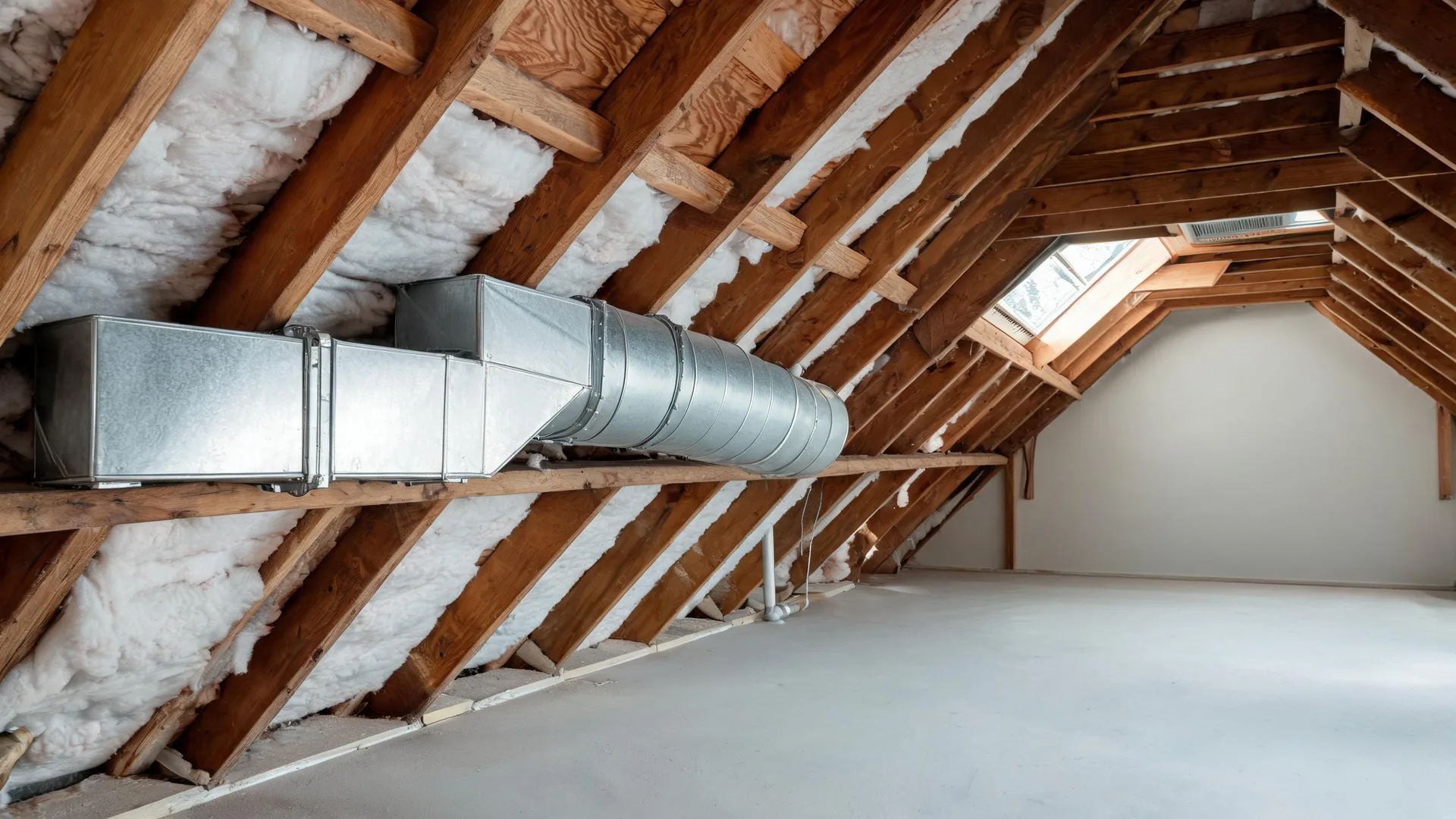
Most homes here run on electricity
Electricity heats 54.7% of homes in Crawford County. Utility gas comes next at 36.5%. An electric furnace or heat pump paired with your new AC is the common setup here, not the exception.
Takes about a minute. No obligation.
Electricity heats 54.7% of homes in Crawford County. Utility gas comes next at 36.5%. An electric furnace or heat pump paired with your new AC is the common setup here, not the exception.
If your current system is electric, matching it keeps the job straightforward. There's no new gas line or venting to plan around. Worth checking what your home already has before assuming either way.

NOAA nClimDiv, 1991–2020 normals
Arkansas electricity runs 12.32 cents a kilowatt-hour, below the national average.
A high-efficiency model still costs more up front, and here it takes longer to earn that back. Pick the unit that holds up through a power cut, not just the one with the best rating.



April is the month to get this done. Cooling starts in May here and runs through September, five months of real work for whatever unit goes in. Schedule the install before that stretch starts and you get to pick the date. Wait until the first hot week and you're on whatever timeline a busy contractor has open, with the old system still limping along in the meantime. Spring also gives the install crew mild days to work in, not a hot attic during the job.
Crawford County falls under zone 3A, and any split-system AC installed here has to meet at least 14.3 SEER2 below 45,000 Btu/h, higher than the national minimum. That rules out the lowest-tier units sold in other parts of the country. A federal tax credit is available for qualifying high-efficiency equipment, worth asking about when you compare models.
Find a contractor
Five months of 90 degree afternoons is the stretch your new system has to answer for, every year it's in the ground. That's a long season to find out a unit was sized off a square footage chart instead of a load calculation. Ask whoever quotes the job to run the numbers on your house, not just the neighborhood average, and don't let the lowest bid talk you out of it.
Whoever installs the new system handles removing the old condenser and air handler or coil as part of the job. The refrigerant gets recovered first, it can't just be vented, and the lines get capped before anything is unbolted. Ask up front whether haul away is included in the quote, since some contractors charge extra to take the old equipment with them.
A new condenser rarely matches the old refrigerant lines or pad exactly, so expect some fitting work even on a straight swap. If the coil and furnace or air handler are being replaced together, the ductwork gets checked too, since a mismatched coil can choke airflow no matter how good the new condenser is. This is the point to ask about anything that's felt off with the old system, weak airflow in one room, short cycling, ice on the lines, before it gets covered up by new equipment.
Estimates for a typical Crawford County home, from EIA household energy data, Arkansas fuel prices and NOAA climate normals. Your home will differ.
Expect most of a day for a straight swap, longer if ductwork or electrical needs work too. The crew sets the new condenser on a pad outside, runs new line set if the old one doesn't match, and sets the air handler or coil inside. Everything gets pressure tested before the system is charged with refrigerant, since a leak missed now means a callback later. Once it's charged, the system runs through a full cycle while airflow gets checked at the vents and the thermostat gets set up. A good installer walks the house with you after, points out the disconnect switch, the filter location, and anything about the new thermostat that's different from the old one. Don't let anyone skip the startup checks just to finish early, that's where a bad install usually starts.