Most homes here run on electricity
Electricity heats 55% of homes in Columbia County, with gas a distant second at 37.5%. An electric furnace or heat pump paired with central air is the setup most contractors here install and service.
Takes about a minute. No obligation.
Electricity heats 55% of homes in Columbia County, with gas a distant second at 37.5%. An electric furnace or heat pump paired with central air is the setup most contractors here install and service.
If your home already runs on electric heat, adding or replacing central air usually means working with wiring and equipment the contractor already knows well. A heat pump can also cover both heating and cooling from one outdoor unit, worth asking about if you're replacing the whole system.

NOAA nClimDiv, 1991–2020 normals
Arkansas homes paid 12.32 cents per kilowatt-hour in 2024, close to the national average.
A standard-efficiency system sized right for your house is enough. There's no local power cost pushing you toward a pricier unit.




Columbia County falls under zone 3A, with long summers and a short mild winter. Central air installed here has to meet the Southeast's regional rule, not just the national one. Units under 45,000 Btu/h need to hit 14.3 SEER2, higher than the 13.4 SEER2 floor that applies elsewhere in the country. A contractor quoting a system here should already be pricing to this higher standard. It narrows what you'll be shown, but it also means the baseline unit is already built for a place that runs its AC most of the year.
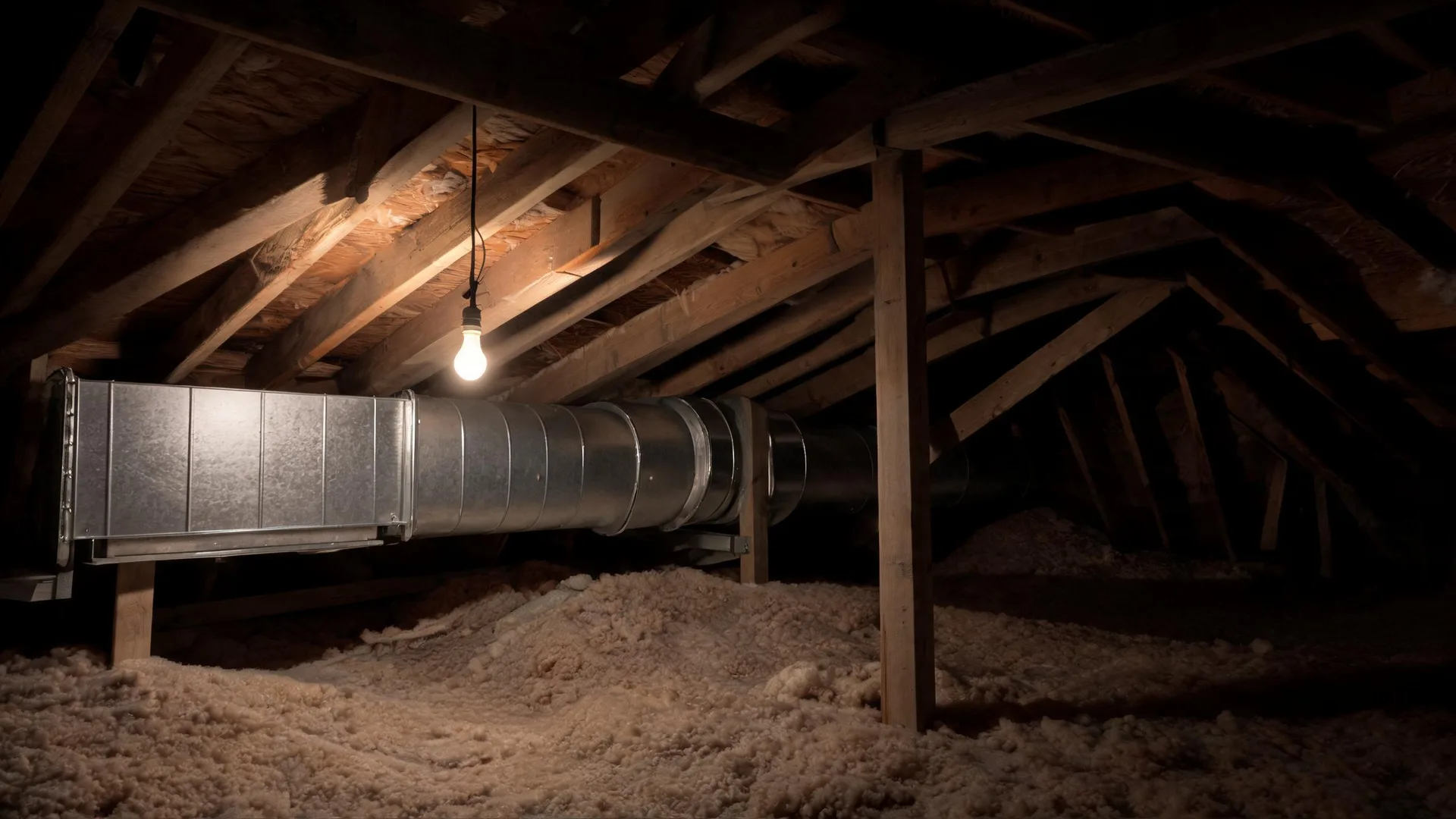
Half the homes in Columbia County were built in 1981 or earlier, half in 1981 or later. That spread doesn't call for anything special. A standard-size system fits most houses in the county, old or new. What the install actually depends on is what's already in your house, the ductwork and the electrical, not the year it was built.
Find a contractor
Cooling here runs May through September, five months of the year. April is the month before that, and it's the easiest time to put in a new system. No one's waiting on a crew through a heat wave, and if the install turns up an issue with the ductwork or the electrical, there's time to sort it out before the first hot week hits.
A contractor works out the right size with a room by room load calculation, not by matching whatever is already outside. That calculation looks at the square footage, the windows, the insulation, and how the rooms are laid out. The system that's been running for years might have been wrong from the start, so matching it just repeats the mistake.
An oversized system cools the air fast and shuts off before it pulls the humidity out of the room, so the house feels clammy even at the right temperature. It also cycles on and off more, and every start puts wear on the compressor. The right size runs longer, steadier stretches, and that's what actually gets the moisture out of the air.
Estimates for a typical Columbia County home, from EIA household energy data, Arkansas fuel prices and NOAA climate normals. Your home will differ.
Install day starts with the old equipment coming out, the indoor coil, the outdoor unit, and the line set that connects them. If the new system uses a different refrigerant or different line size, that old line set usually can't be reused, so expect new lines run alongside the old path. The outdoor unit goes on a pad, leveled, with clearance on all sides so it can pull in air. Inside, the coil sits in the plenum above or beside the furnace, and that's where a lot of the real work happens, because the coil has to match the air handler it's paired with. Once everything's connected, the system gets charged with refrigerant to the exact weight the manufacturer specifies, not just until it feels cold. Before anyone leaves, it should run through a full cycle while someone checks the temperature split between the air going in and the air coming out, because that number says more about whether the job was done right than how the house feels in the first hour.