




A row of single-story houses, one of red brick and others with light siding and a covered porch, behind a mown lawn and a trimmed hedge, under large moss-draped tree branches and an overcast sky.

AC Installation in Fort Smith, AR

Tell us about the job

Takes about a minute. No obligation.

New system or replacementCentral ACSebastian County, AR
Step 1 of 2

What ZIP code is the job in?

Electricity heats just over half the homes in Sebastian County, gas heats most of the rest. If your house is already wired for electric heat, a new air conditioner usually pairs with a heat pump or an electric furnace without much rework. If gas runs the furnace, the AC side is a separate job from the heating side, and a contractor can size the condenser and coil to match the ductwork you have. Either way, matching what the house already uses tends to be the simpler install, since the wiring or gas line is already there.

5 months
May through September, your air conditioner is on duty
91°F
the average summer afternoon it cools against
61 hail events
in ten years, and hail bends the fins on outdoor coils
13.4 SEER2
the federal minimum any new unit must meet
Isometric line illustration of a cutaway house showing interior rooms, ceiling ductwork connected to an indoor air handler, and an outdoor condenser unit linked by refrigerant lines.
Your air conditioner works hardest from June through September.

NOAA nClimDiv, 1991–2020 normals

Arkansas electricity runs 12.32 cents per kilowatt-hour, below the national average.

A new AC here earns back a high efficiency upgrade slower, so picking the right size and a unit that holds up matters more than chasing the top SEER2 number.

Five months of 91 degree afternoons, and summer storms on top of it

Cooling runs May through September
Summer afternoons average 91°F
122 damaging wind events from 2015 to 2024

April is the month to get this done in Sebastian County. Cooling runs May through September, so an install finished in April is already proven before the first hot afternoon hits. Wait until the system is running every day and there's less room to catch a wiring issue or a duct that needs adjusting. Getting it in before May also means the work happens on a mild day, not one where the old unit has already quit and the house is heating up.

Any new system here has to meet the Southeast's higher efficiency minimum

Sebastian County falls under zone 3A, and new central air here has to meet 14.3 SEER2, the Southeast minimum, which runs higher than what's required in most of the country. A system installed now has to clear that bar. There's also a federal tax credit available for qualifying high efficiency equipment, worth asking a contractor about when you're comparing units.

Find a contractor
A gray residential air conditioning condenser unit mounted on a concrete pad outdoors, surrounded by green grass under a partly cloudy blue sky.

Built for a long summer, not just a hot week

Five months of 91 degree afternoons means the new system runs close to flat out most summer days, not just on the handful that spike. Sizing it right matters more here than it would somewhere milder, since a unit that's too big or too small for the ductwork will show its wear sooner under that kind of load. Have the contractor run a load calculation instead of matching the tonnage of the old system, and ask what the warranty covers beyond the first year.

Ask what the load calculation found

A contractor should measure the house room by room, the windows, the insulation, the duct layout, before naming a tonnage. If a quote names a size before anyone measures anything, that size is a guess carried over from the old unit, and the old unit may have been wrong from the start.

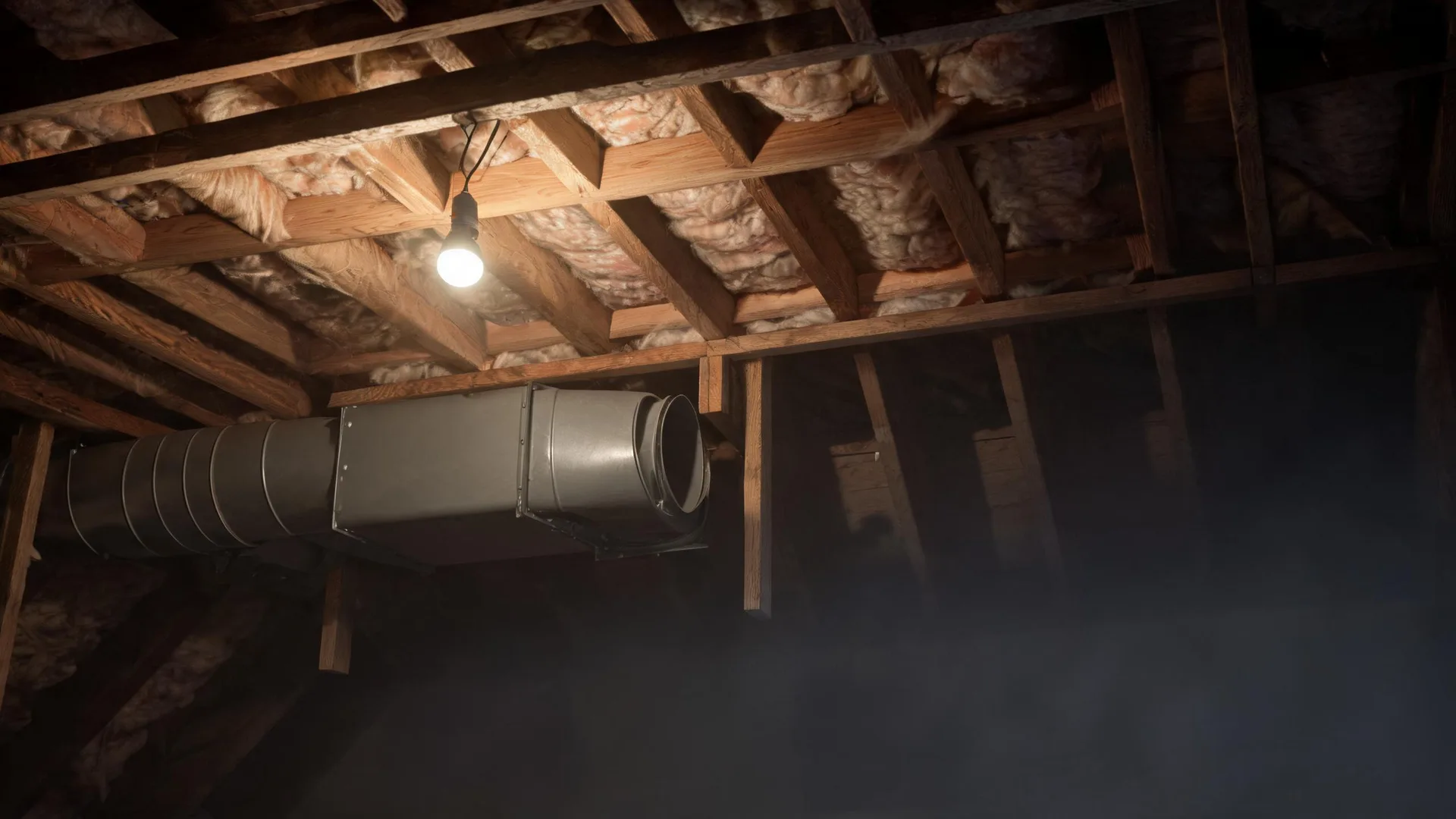
Ask how the coil and condenser were matched

The outdoor condenser and the indoor coil have to be rated to work together. A mismatched pair can still run, but it won't hit the efficiency rating on the sticker, and it can short-cycle or struggle to pull moisture out of the air. Ask for the coil and condenser model numbers and whether they're listed as a matched system.

An outdoor air conditioning condenser unit positioned on a concrete pad next to a blue-sided house, surrounded by green shrubs and flowering hydrangeas at sunset.

Going above the federal minimum saves little here, about $20 a year.

  • A higher-efficiency unit$300 a year
  • A new unit at the federal minimum, 14.3 SEER2$320 a year

Estimates for a typical Sebastian County home, from EIA household energy data, Arkansas fuel prices and NOAA climate normals. Your home will differ.

Installation day starts with the old equipment coming out, not the new one going in. The condenser outside gets disconnected, the refrigerant recovered, and the indoor coil pulled from the plenum before anything new goes in its place. Expect the crew to check the ductwork and the electrical whip while the system is open, since that's the easiest time to fix a connection that's undersized or a duct that's crushed or disconnected. The new coil gets set and sealed, the condenser gets set on its pad outside, and the line set between them gets run, pressure tested, and checked for leaks before any refrigerant goes in. Once it's charged, a tech should run the system through a full cycle, check the temperature drop across the coil, and confirm the airflow matches what the new equipment needs. A system that's never been test run under load is one where problems show up later instead of that day.