Most homes here run on electric heat
Electricity heats close to 6 in 10 homes in Van Buren County. That usually means a heat pump or an electric furnace paired with the air conditioner, sharing the same ducts and the same air handler.

Takes about a minute. No obligation.
Electricity heats close to 6 in 10 homes in Van Buren County. That usually means a heat pump or an electric furnace paired with the air conditioner, sharing the same ducts and the same air handler.
If your home already heats with electricity, a heat pump can handle the cooling side and take over the heating too. It's worth asking your contractor whether that fits your setup before you commit to a straight AC swap.

NOAA nClimDiv, 1991–2020 normals
Clinton summers average 88°F in the afternoon, May through September.
A standard-size system matched to your home handles that fine, no upsizing needed.




Half the homes in Van Buren County were built in 1986 or earlier, half in 1986 or later. That split doesn't tell a contractor what size unit your house needs. That comes from a load calculation done on your actual house, the square footage, the windows, the insulation, not the year it was built. One in five homes here is a mobile home, and those take a different ductwork and installation approach than a site-built house, so say upfront which kind you have. Past that, there's nothing about homes in this county that calls for a bigger unit or a higher efficiency rating than standard. Getting the size right matters more than the number on the spec sheet.
Van Buren County falls in the Southeast region, so a new central air conditioner installed here has to meet 14.3 SEER2, not the 13.4 national minimum. That's the floor your contractor is working from before anything else gets picked out. Ask what they're installing and confirm it meets that number.
Find a contractorSEER2 tells you how much cooling the system delivers for the power it draws, measured over a full season of cycling on and off, not running flat out. A higher number means less power to produce the same cooling. That gap matters most over the months the system actually runs, since a unit that sits idle most of the year won't earn back a higher rating the way one running daily will. The rating comes from lab testing, so it won't match what you see in the field exactly, but it's the fair way to compare one system against another before you buy. A higher rating usually means a higher upfront cost, so the real question is how many hours a year this unit will actually work for that difference to pay off. It's also a rating for the whole matched system, the outdoor unit and the indoor coil together, not just the condenser sitting outside. Swap in a different coil or an old air handler and the system won't perform at the number on that label.
Running new line sets, adding a return, or relocating the condenser costs more than swapping one unit for another in the same spots. Ductwork that's undersized or leaky for the new system adds work too. A contractor pricing the job is pricing the install, not just the box going in.
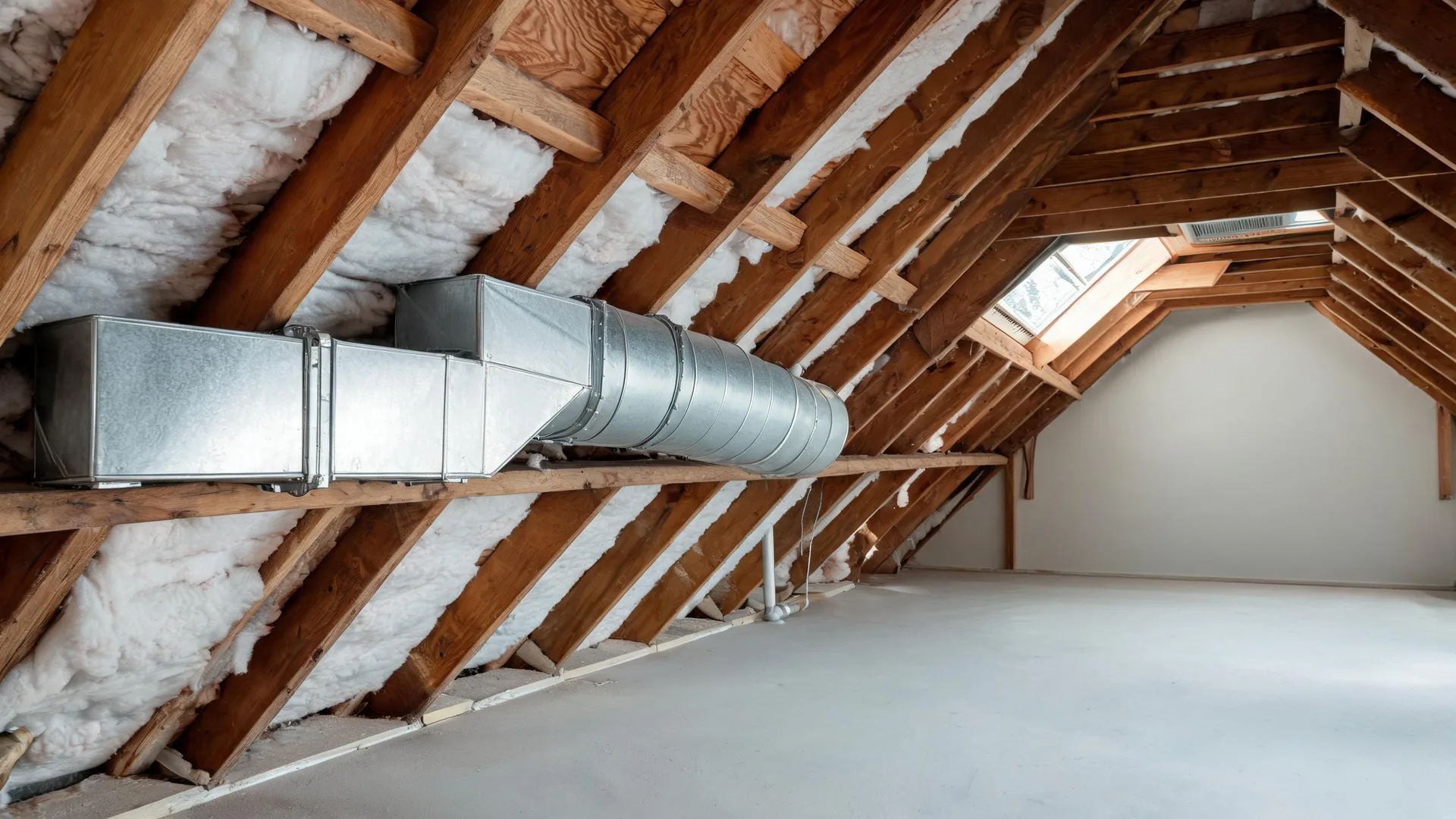
A condenser sized and rated for the job needs a coil and air handler built to run with it. If what's already in the attic or closet is old or mismatched, replacing it is part of the quote, not an upsell. Pair a new condenser with an old coil and you lose the efficiency you paid for.
Estimates for a typical Van Buren County home, from EIA household energy data, Arkansas fuel prices and NOAA climate normals. Your home will differ.
Installation day starts with the old equipment coming out, not the new one going in. The condenser gets disconnected and hauled off, the old coil comes out of the plenum, and if the air handler is being replaced too, that comes apart next. Line sets get run new or reused depending on whether the new system takes the same refrigerant as the old one. A system built for an older refrigerant can't just take a straight swap onto the new lines. Once the new coil is set and the condenser is placed, the lines get connected. The system gets pulled down to vacuum first, to clear out moisture and air, then charged with refrigerant to the weight the manufacturer specifies. After that comes startup. The tech checks airflow across the coil, checks the temperature split between the air going in and the air coming out, and listens for anything that sounds wrong before calling it done. A system charged correctly and started up right the first day runs that way for years. One that's rushed through startup tends to show it within the first season.