14.3 SEER2 minimum here
Union County falls in the Southeast region, where a new split system under 45,000 Btu/h has to meet 14.3 SEER2. That's higher than the 13.4 SEER2 floor that applies in most of the country.
Takes about a minute. No obligation.
Union County falls in the Southeast region, where a new split system under 45,000 Btu/h has to meet 14.3 SEER2. That's higher than the 13.4 SEER2 floor that applies in most of the country.
Any system quoted for this address has to clear that regional number, not just the national one. A unit that would pass elsewhere may not qualify for installation here.

NOAA nClimDiv, 1991–2020 normals
Cooling runs May through September in Union County.
April is when a new system should go in, before the first hot week puts it to the test.




Electricity heats 53.6% of homes in Union County, more than any other fuel, with utility gas a distant second at 40.8%. Cooling in most of these homes already runs off an electric split system, so an AC installation is mostly adding or replacing the outdoor condenser and matching it to the furnace or air handler already there. That makes the job more straightforward than in places split between fuels, where a contractor has to work around whatever gas lines and venting are already in the walls. If your home runs on electric heat too, the new system can usually tie into the same ductwork and electrical setup already serving the house.
Storms and outages are common here. Plan where the outdoor unit goes, how it's protected, and how you'll keep heat and hot water in an outage.
Find a contractor
That stretch from May to September is most of the year for a cooling system here, and the afternoon load is the same hard push, day after day, for five months straight. A contractor sizing the new system needs the square footage, the insulation and the duct layout, not just the square footage alone. Get that load calculation done before you compare quotes, not after. Two bids for the same tonnage are not the same bid if only one of them is based on a real calculation of this house.
A bigger condenser and coil cost more outright, so the load calculation that decides the tonnage is doing more than sizing comfort. It's setting the price floor before any other choice gets made. A contractor who skips it and goes by square footage alone can quote low on equipment that doesn't match the house.
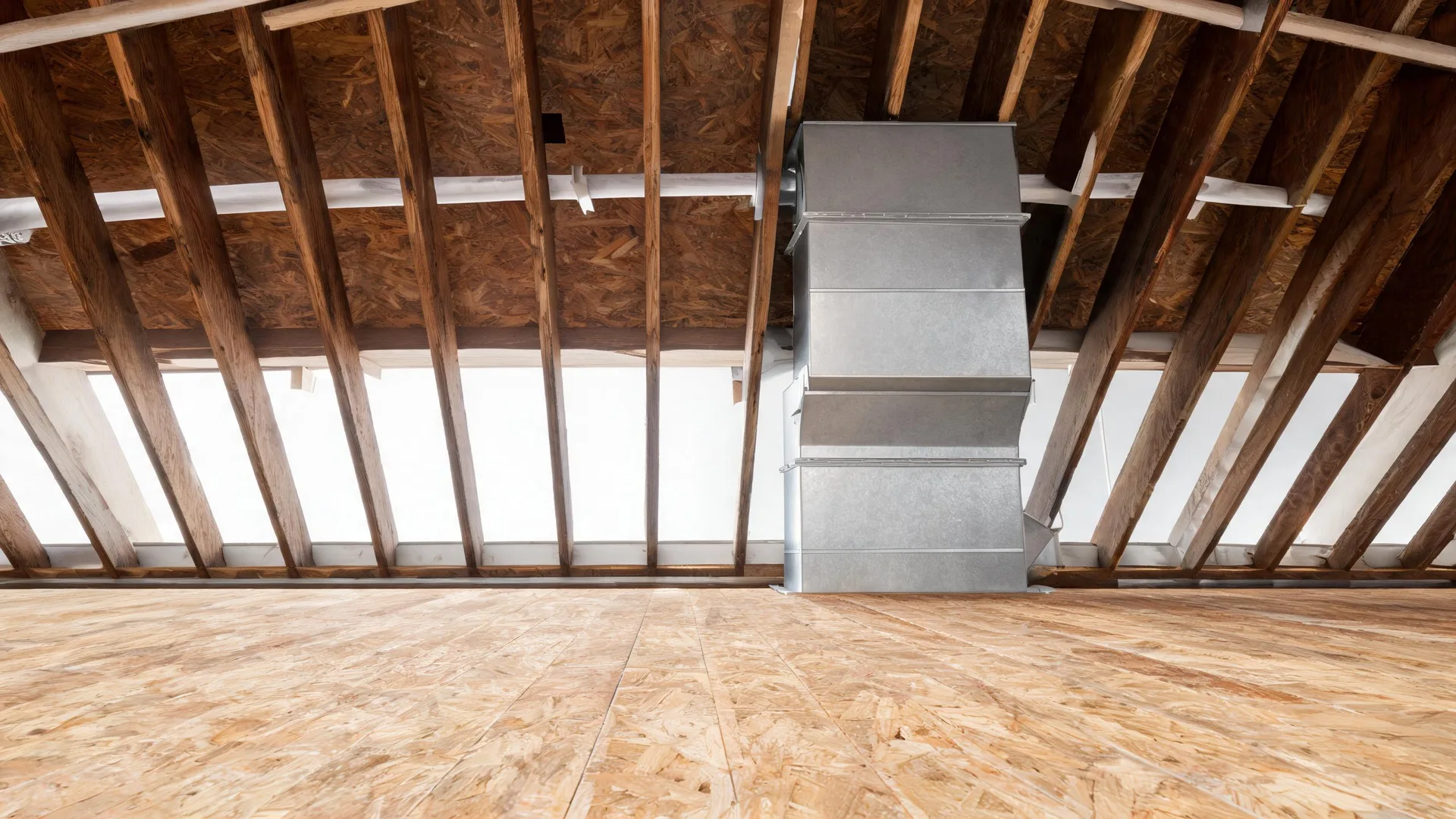
If the ductwork, the electrical disconnect and the line set are already sized for the new system, installation is mostly swapping equipment. If the old ductwork is undersized or the breaker panel needs work to carry the new unit, that labor gets added on top of the equipment cost, and it won't show up on a quote that only lists the condenser and coil.
Estimates for a typical Union County home, from EIA household energy data, Arkansas fuel prices and NOAA climate normals. Your home will differ.
Installation day starts with the old equipment coming out, not the new unit going in. The condenser gets disconnected and hauled off, the old coil comes out of the plenum, and the line set gets cut loose. Only then does a contractor know for sure what they're matching the new parts to. Setting the condenser is quick work, it gets leveled on its pad and bolted down. Running new line set and wiring it in takes longer, especially if the old line set gets swapped instead of reused. Once the coil is seated and the lines are brazed, the system gets pressure tested before it ever gets charged with refrigerant, because a leak found after startup means redoing work that should have been caught earlier. The last stretch is running the system, checking the charge against the manufacturer's numbers, and confirming the airflow at the vents matches what the duct layout was built for.