





An overhead view of a residential air conditioning condenser unit mounted on a concrete pad next to a house with vinyl siding.

AC Installation in Malvern, AR

Tell us about the job

Takes about a minute. No obligation.

New system or replacementCentral ACHot Spring County, AR
Step 1 of 2

What ZIP code is the job in?

Most homes in Hot Spring County heat with electricity, 58.2 percent of them. Utility gas covers another 30.8 percent, and a small share runs on bottled or LP gas. If your furnace runs on electricity, a new AC pairs with it the same way the old one did, since they already share ductwork and an outdoor condenser spot. The same goes for a gas furnace paired with a separate AC unit. Replacing what's there is usually simpler than switching fuel types, and whoever installs your system can confirm what you're working with before quoting the job.

5 months
May through September, your air conditioner is on duty
91°F
the average summer afternoon it cools against
26 hail events
in ten years, and hail bends the fins on outdoor coils
13.4 SEER2
the federal minimum any new unit must meet
Isometric 3D cutaway render of a house with dark siding showing interior rooms, ductwork and an air handler, connected by lines to an outdoor condenser unit on a white background.
Your air conditioner works hardest from June through September.

NOAA nClimDiv, 1991–2020 normals

Half the homes in Hot Spring County were built in 1979 or earlier, half in 1979 or later.

Either way, a standard-size system sized to your house is what fits the job.

Five months of 91 degree afternoons is a full season of work for a new system

Cooling runs May through September
Summer afternoons average 91°F
Power costs 12.32 cents a kWh statewide

Cooling runs May through September here. April is the month to get a new system in, before that stretch starts. Once it's hot, any contractor with an opening is booked solid, and a failed system means picking from whoever can show up that week. Replace it in April and you pick the unit that fits your house, on a schedule that works for you. It also means the system gets tested and running before it has to work at all.

Your new system has to clear a higher bar here than the national minimum

Hot Spring County falls under the Southeast's efficiency rule, not just the national one. Any central AC installed here has to hit at least 14.3 SEER2 under 45,000 Btu/h, or 13.8 SEER2 at or above it. That's the floor a contractor has to meet when sizing your new system, and it narrows the field to units built for this kind of zone. A federal tax credit is available on top of that for qualifying high-efficiency equipment.

Find a contractor
A gray metal air conditioning condenser unit mounted on a concrete pad in a flat grassy field under a partly cloudy sky.

Running five months straight, size has to be right

Five months of 91 degree afternoons means the unit you pick has to hold up under steady load, not just hit the SEER2 floor. An oversized system cycles on and off and never settles into a steady run, which wears the compressor sooner. An undersized one runs flat out all summer trying to catch up. The right size comes from a load calculation on your house, not a guess based on square footage or what the old unit was rated for. Ask whoever quotes the job to show you that number before you decide.

Ask what the load calculation found

A contractor should walk your house room by room, checking window area, insulation, and layout before naming a size. If someone quotes a number before seeing the house, that number is a guess. The load calculation is the one document that justifies the equipment they're proposing.

Ask how they'll handle the ductwork

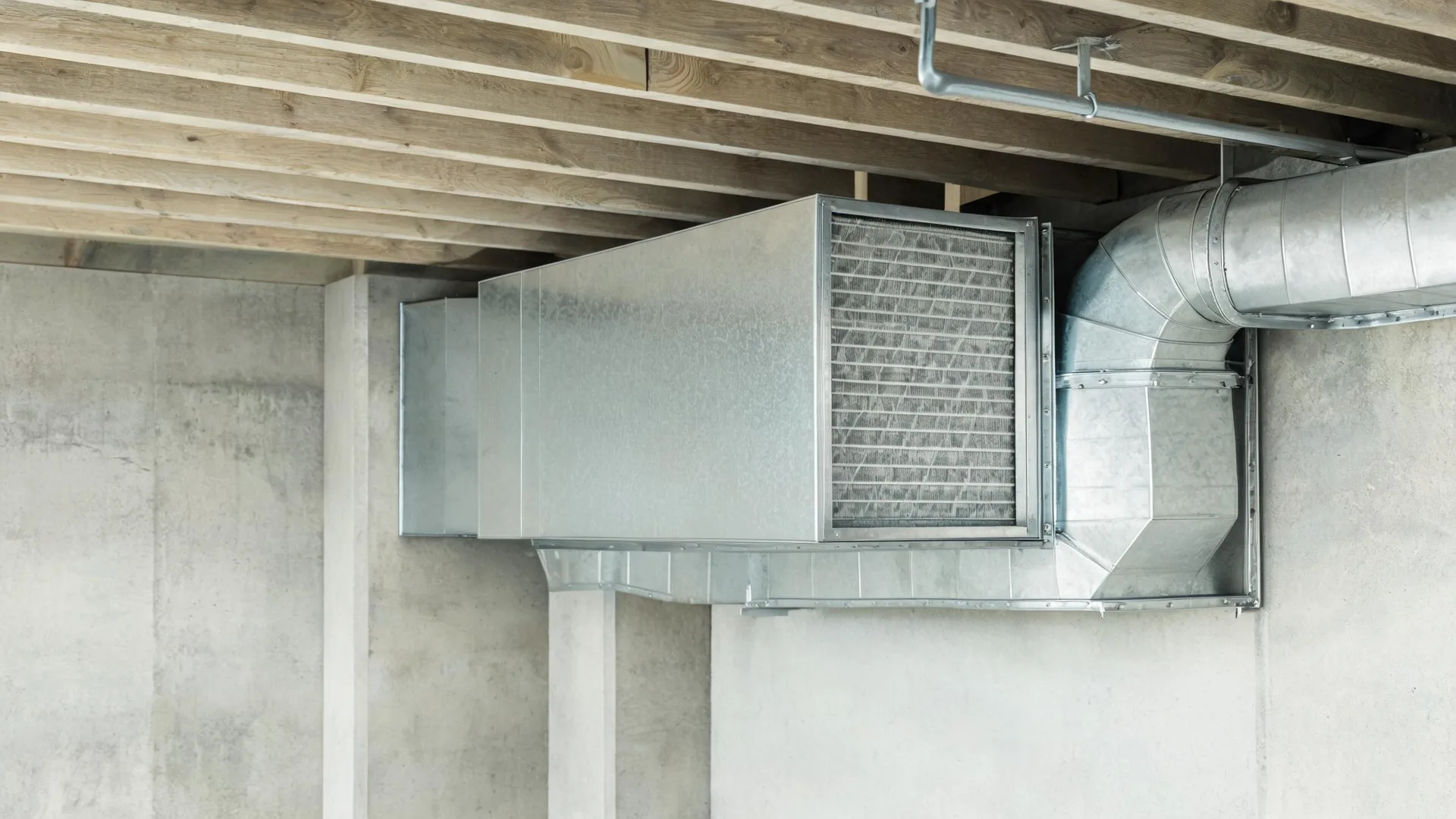
A new condenser moved to a bigger size without checking the ducts can starve some rooms of airflow and overpressure others. Ask whether they tested static pressure or just matched the new unit to what's already in the attic. Ductwork sized for the old system doesn't automatically work with the new one.

An outdoor air conditioning condenser unit on a concrete pad next to the gray vinyl siding of a residential home.

Going above the federal minimum saves little here, about $20 a year.

  • A higher-efficiency unit$320 a year
  • A new unit at the federal minimum, 14.3 SEER2$340 a year

Estimates for a typical Hot Spring County home, from EIA household energy data, Arkansas fuel prices and NOAA climate normals. Your home will differ.

Install day starts with the old system coming out. The condenser, the coil, and the line set running between them all get pulled. If the lines are being reused, they get flushed first, since residue from the old system can ruin a new compressor. The new coil sets in above the furnace or air handler, the condenser goes on its pad outside, and the line set between them gets brazed and pressure tested before anything is charged. Once the lines hold pressure, the system gets evacuated to pull out moisture and air, then charged to the exact weight the manufacturer specifies. Last comes startup, checking airflow and the temperature split between the air going in and the air coming out, and making sure the thermostat is talking to the right equipment.