





Single-story brick and white-sided buildings with covered porches behind a trimmed hedge and lawn, framed by overhanging oak branches draped with Spanish moss.

AC Installation in Forrest City, AR

Tell us about the job

Takes about a minute. No obligation.

New system or replacementCentral ACSt. Francis County, AR
Step 1 of 2

What ZIP code is the job in?

Electricity heats 56.8% of homes in St. Francis County, and utility gas heats another 30.6%. If gas heats your home, AC still comes down to a separate outdoor unit and coil, matched to that furnace or installed as its own system. If electricity heats your home, there's a good chance you already have a heat pump handling both jobs, or an air handler that a new outdoor unit needs to match. Replacing what's there with the same setup is usually the straightforward path, since the gas line, breaker and ductwork are already sized for it.

5 months
May through September, your air conditioner is on duty
90°F
the average summer afternoon it cools against
2 hail events
in ten years, and hail bends the fins on outdoor coils
13.4 SEER2
the federal minimum any new unit must meet
Isometric cutaway illustration of a house showing attic ductwork, an indoor air handler, refrigerant lines running outside, and an outdoor condenser unit on a pad.
Your air conditioner works hardest from June through September.

NOAA nClimDiv, 1991–2020 normals

AC here runs May through September.

Put the new system in during April and it's ready before the first hot day.

A standard system is the right call here

Half the homes here were built by 1980
Cooling runs May through September
Summer afternoons average 90°F

Forrest City is in zone 3A, and any central air conditioner going in has to meet 14.3 SEER2 if it's under 45,000 Btu/h, or 13.8 SEER2 at or above that size. That's the Southeast standard, a notch above what the rest of the country requires. A contractor sizing your system will land on one number or the other depending on the size of the home and the unit it calls for. Either way, the equipment on the market already meets it, so this isn't a spec you have to chase down yourself. It's just the floor anything installed here has to clear.

A standard system is the right fit, and the right price, for Forrest City

At 12.32 cents per kilowatthour, there's no electricity rate here pushing you toward a pricier, higher-efficiency system to offset high running costs. A unit that clears the zone 3A minimum will do the job without a bigger outlay to chase savings that aren't on the table.

Find a contractor
A man in a cap, dark jacket and tan work pants walks up porch steps toward a green front door, carrying a worn canvas tool bag in his right hand, with a potted shrub beside the entry.
A gray metal air conditioning condenser unit mounted on a concrete pad in a flat grassy field under a partly cloudy sky.

Five months of summer, every year

Five months of cooling here, and the afternoons in June, July and August average 90°F. That's the stretch a new system has to handle every year, not just the occasional hot week. The outdoor unit and the coil are what carry that load, running longer hours to hold the house at temperature when it's 90 outside. A system sized right for this home handles it without strain. One that's undersized or poorly matched will run longer than it should and show wear sooner, in the capacitor, the compressor, the parts that cycle every time it starts and stops. Get the sizing right at installation and that five-month stretch is just normal operation, not a strain on the equipment.

What the rating actually measures

SEER2 tells you how much cooling the system delivers for the electricity it uses over a season. It is not a measure of size or strength. A higher number means the compressor and coil get more cooling out of the same power. It says nothing about tonnage or how fast the house cools down. Systems with the same rating can still be sized completely differently for the same home.

Why the number on the quote still needs checking

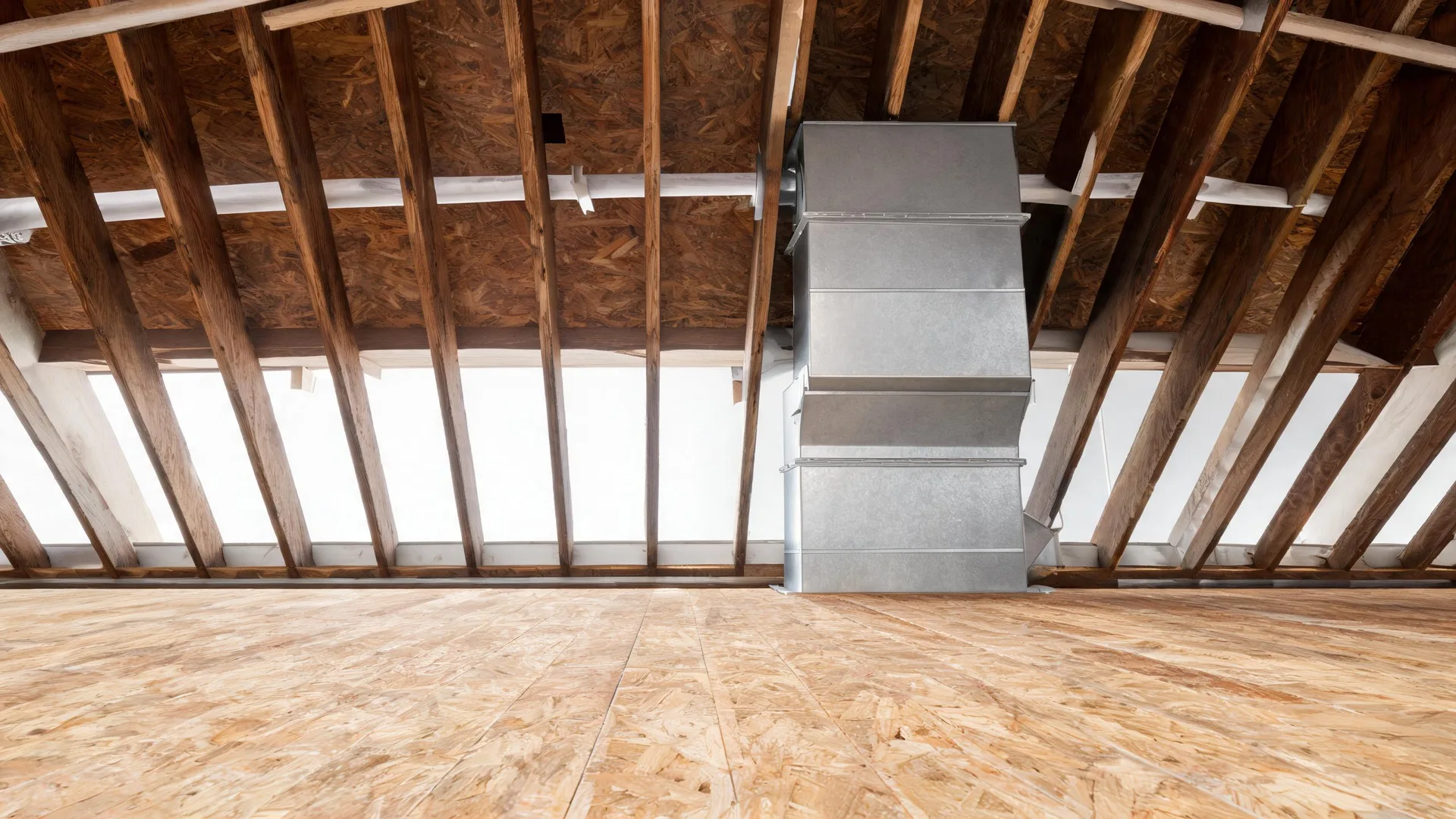
The rating on the label only holds up if the system is installed the way it's rated to run. The charge has to be right. The airflow across the coil has to be right. The ductwork has to be sized to move the air the unit is built to push. A correctly rated unit installed loose on charge or choked on airflow won't deliver what the label promises. The installation work is what makes the rating real in the house, not just the equipment that shows up on the truck.

Aerial view of a gray central air conditioning condenser unit on a concrete pad next to a house with vinyl siding.

Going above the federal minimum saves little here, about $20 a year.

  • A higher-efficiency unit$330 a year
  • A new unit at the federal minimum, 14.3 SEER2$350 a year

Estimates for a typical St. Francis County home, from EIA household energy data, Arkansas fuel prices and NOAA climate normals. Your home will differ.

Installation day starts with the old equipment coming out, the outdoor unit, the indoor coil, and the line set running between them. A contractor will check the ductwork before setting the new unit, since airflow across the coil has to match what that system is built to move. The new line set gets run and the indoor coil goes in above or beside the furnace or air handler, depending on how the home is laid out. Once the outdoor unit is set and leveled, the lines get connected, pressure tested, and evacuated to pull out any moisture or air before the refrigerant goes in. Charging the system is the last step, weighing in the refrigerant to the amount that unit calls for rather than guessing by feel. The system should be running and cooling the house before the crew leaves, with the thermostat wired in and airflow checked at the vents.