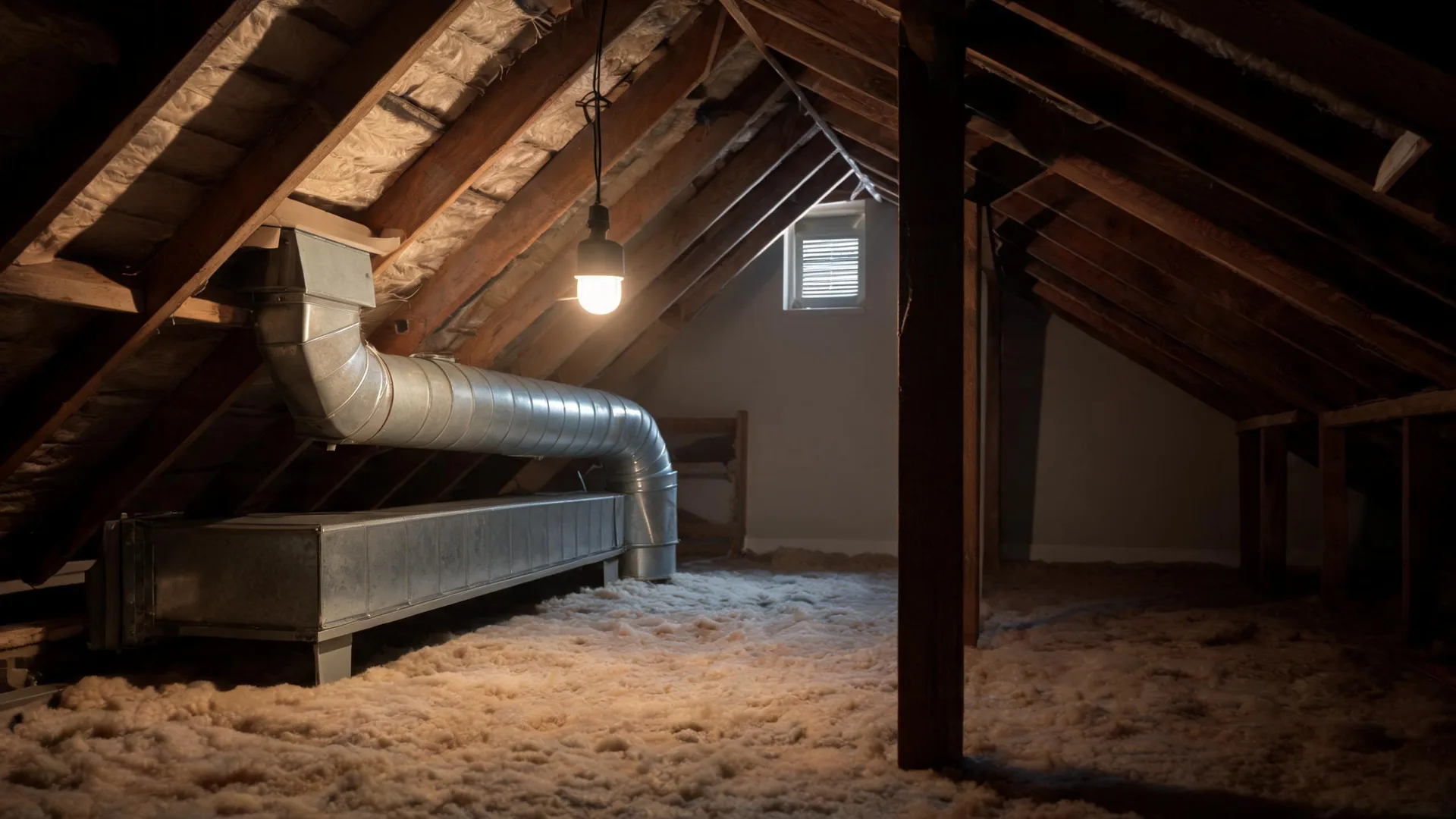
Most homes here run on electric heat
Electricity heats 59.3% of occupied homes in Cleburne County, with gas and propane well behind. A heat pump fits that pattern and can cover both the AC side and the heating side of the job.
Takes about a minute. No obligation.
Electricity heats 59.3% of occupied homes in Cleburne County, with gas and propane well behind. A heat pump fits that pattern and can cover both the AC side and the heating side of the job.
If your home already heats with electricity, a heat pump swap keeps the same fuel setup and the same electrical connection. Worth bringing up when you're comparing quotes for a new system.

NOAA nClimDiv, 1991–2020 normals
Arkansas electricity ran about 12.32 cents a kilowatt-hour in 2024, cheaper than most of the country.
At that rate a high-efficiency AC takes longer to pay for itself, so pick the new system for reliability and fit first.



Cleburne County is in zone 3A, warm with a long stretch of AC weather and a short, mild winter. That puts it in the Southeast region for equipment rules. Any split-system AC installed here under 45,000 Btu/h has to hit at least 14.3 SEER2, higher than what's required in most of the country. That's a minimum, not a target, so a contractor quoting something below it isn't quoting a legal install here. It limits which units can go in, but it also means whatever goes in is already built for a place that runs its AC most of the year.
Cooling runs five months a year in Cleburne County, with afternoons near 89°F through June, July and August. That's steady, predictable demand, not an extreme. A properly sized system at the standard efficiency already required here will handle it. There's no local reason to pay more for added capacity or a higher tier than the job needs.
Find a contractorWhatever contractor installs the new system should be able to take the old one with them. A condenser sitting outside has refrigerant in the lines, and that refrigerant isn't supposed to just vent into the air. A licensed installer has the equipment to recover it properly before the unit gets hauled off. Ask how they handle that part before the work starts. The indoor coil usually comes out at the same time, even if only the outdoor unit is failing, because matching a new condenser to an old coil can cause problems down the line. If the system is old enough to need replacing, the coil has likely been sitting in that airflow for just as long and is due anyway.
An AC sized above the cooling load cools the room fast and shuts off before it pulls the moisture out of the air. The space ends up cold and clammy at the same time. The unit also cycles on and off more often, and that start-stop wears on the compressor faster than a longer, steady run would.
A contractor sizing a system has to run a load calculation on the house itself. Square footage, window area, insulation, ceiling height, which way the house faces, all of it factors in. That number is what decides the tonnage, not the size of the unit coming out or what a neighbor's house has. Ask whoever quotes the job to show the calculation, not just the number they landed on.
Estimates for a typical Cleburne County home, from EIA household energy data, Arkansas fuel prices and NOAA climate normals. Your home will differ.
Install day starts with the old system coming out, condenser and coil both, and the refrigerant recovered before anything gets disconnected for good. Once the lines are clear, the new line set goes in, or the old one gets reused if it checks out, then the indoor coil and outdoor condenser get set and connected. The electrical hookup and the condensate drain both get tied in at this stage too. Before anyone calls it done, the system gets charged with refrigerant to the exact amount the manufacturer specifies, then run and checked. A tech should check the subcooling or superheat, confirm airflow at the vents, and test the thermostat cycle. That charge has to be right. Too little or too much and the system won't cool the way it's supposed to, no matter how well everything else was installed.