





An outdoor air conditioning condenser unit positioned beside a blue-sided house at sunset.

AC Maintenance in Magnolia, AR

Tell us about the job

Takes about a minute. No obligation.

Tune-up, service, or cleaningCentral ACColumbia County, AR
Step 1 of 2

What ZIP code is the job in?

Five months of cooling a year, May through September, and the afternoon high in those months averages 91. That is a long, hot stretch for one machine to carry on its own. The compressor and the fan run for hours at a stretch, day after day, with barely a break between June and August. Parts that would ease through a shorter season here get worked hard from the first warm week. That kind of use catches up with a system faster than most people expect.

5 months
May through September, your air conditioner is on duty
91°F
the average summer afternoon it cools against
16 hail events
in ten years, and hail bends the fins on outdoor coils
48 wind events
in ten years, and wind drives debris into outdoor units
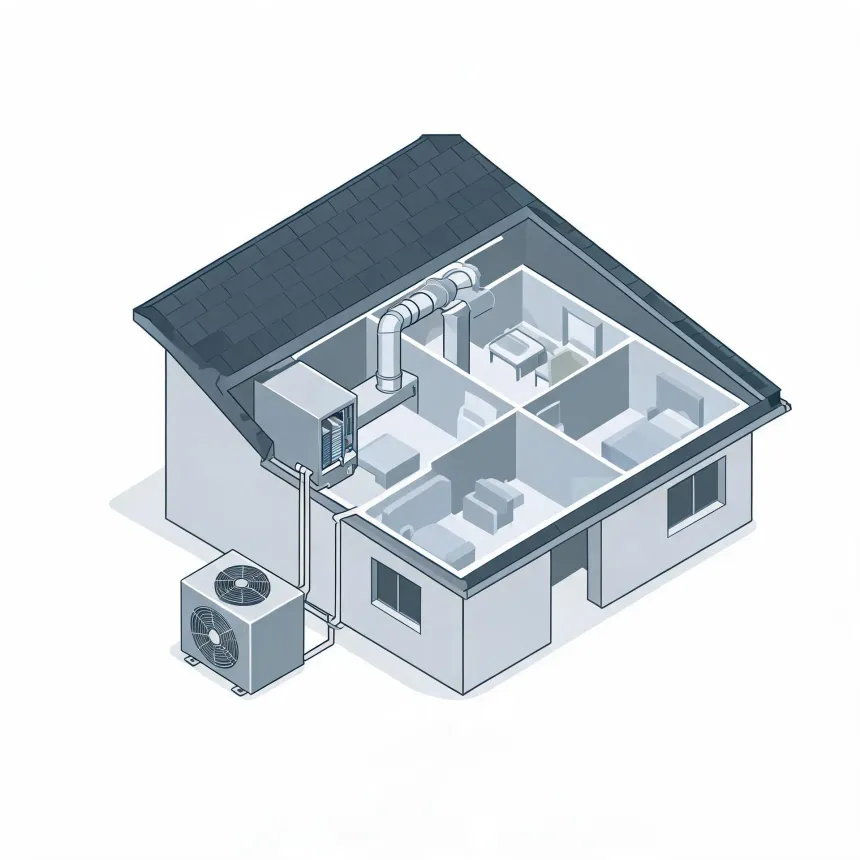
Isometric cutaway illustration of a single-story house showing interior rooms, ceiling ductwork connected to an indoor air handler, and an outdoor condenser unit beside the exterior wall.
Your air conditioner works hardest from June through September.

NOAA nClimDiv, 1991–2020 normals

A dirty filter chokes airflow before anything else fails.

Check it once a month and swap it when it looks gray.

One tune-up before the heat starts covers the season

Power costs 12.32 cents a kWh statewide
Cooling runs May through September
Summer afternoons average 91°F

May is when cooling starts here, and it starts at full load right away. There's no mild stretch at the front end of the season to ease a weak part into the work. April is the month to get a system checked, before the compressor and fan are running every day. A capacitor or contactor that is already wearing out will usually hold through a spring check and fail once it has to run for hours straight. Catching it in April means it gets caught on a bench, not on the first hot afternoon in May.

Check it before the season

It works hard here, so worn parts show up fast once the season starts. Get it checked before then.

Find a contractor
A man in a dark T-shirt and brown work pants carries a canvas tool bag up wooden porch steps toward a green front door, beside a potted shrub.
An outdoor residential air conditioning condenser unit mounted on a concrete pad, surrounded by gravel with a blue sky in the background.

Get ahead of the season, not caught by it

Get a tune-up done before May and a tech can catch a weak capacitor or a failing contactor while it's still holding on, not after it's run flat out in July heat. Once the season starts there's no slow stretch to work with. The system goes straight to five months of full days at 91 degrees, and whatever is already wearing out gets found by the heat instead of by a technician.

The coil can't shed heat through dust

The outdoor coil gives up heat to the air, and the indoor coil pulls heat out of your house. A layer of dust or grime on either one acts like a blanket. The system still runs, but it works harder and longer to do the same job, and that extra strain lands on the compressor.

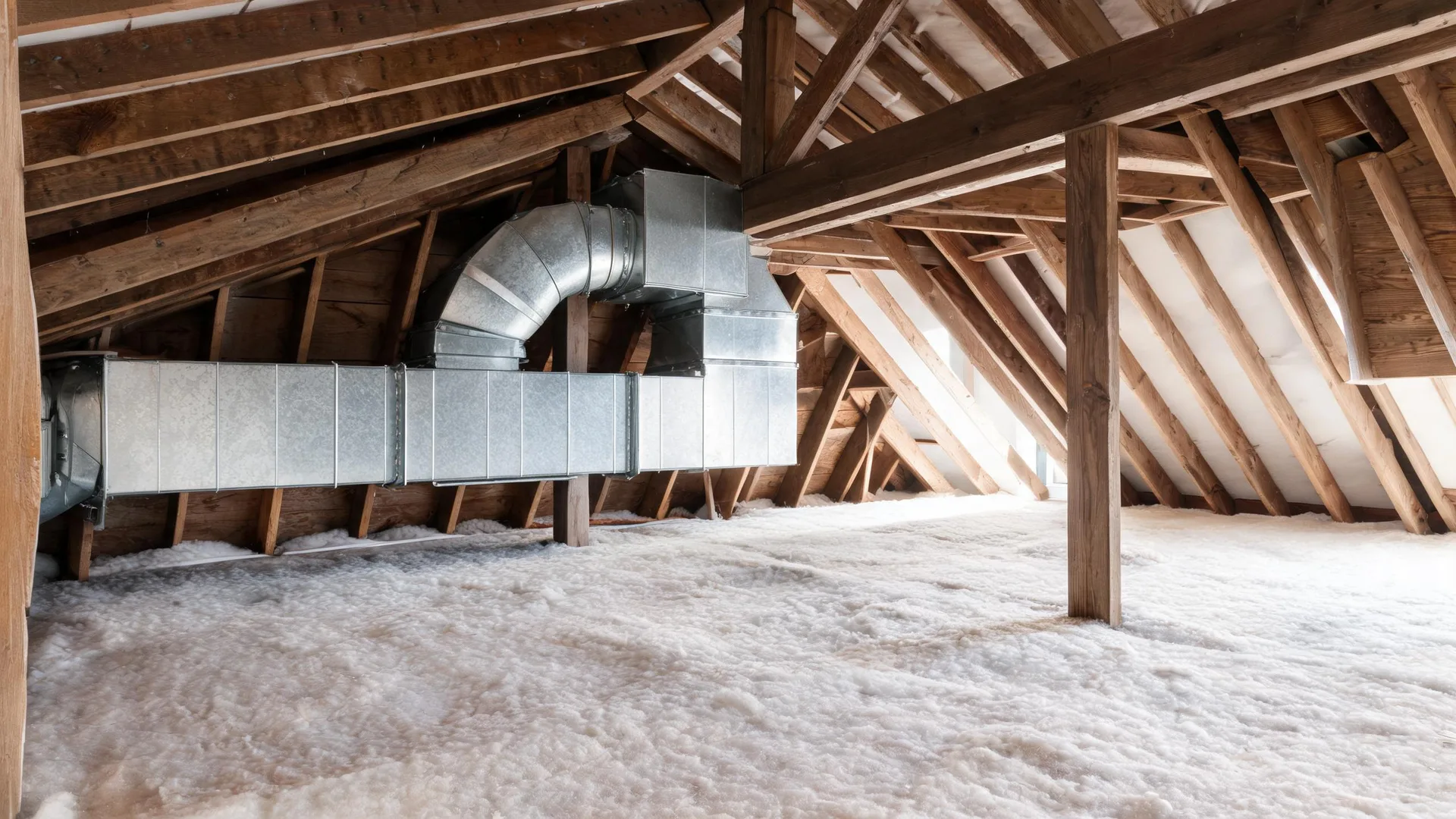
The drain line is the part nobody checks

Cooling air pulls moisture out of it, and that water has to go somewhere. The condensate line carries it out, and algae or sludge can clog it the same way a drain anywhere else clogs. A blocked line backs water up into the pan and from there into the house, usually with no warning before it happens.

An outdoor air conditioning condenser unit positioned on a concrete pad next to a blue-sided house, surrounded by green shrubs and flowering hydrangeas at sunset.

Book your AC tune-up in April, before homes here start needing cooling in May.

  1. Jan
  2. Feb
  3. Mar
  4. Apr
  5. May
  6. Jun
  7. Jul
  8. Aug
  9. Sep
  10. Oct
  11. Nov
  12. Dec

A tune-up checks the refrigerant charge, cleans the coils, tests the capacitor and tightens the electrical connections.

A tune-up is a specific list, not a glance at the unit. A tech checks the refrigerant charge against what the system calls for, since too little or too much makes the compressor work wrong either way. The capacitor gets tested under load, not just looked at, because a weak one can still start the system on a cool morning and fail outright once it has to run for hours. Electrical connections at the contactor get checked for pitting and tightened if they're loose, since a loose connection arcs and burns before it ever trips a breaker. The condenser fan motor gets checked for play in the bearing, and the coils get cleaned so they can actually give up heat to the air. None of this takes long when a system is healthy. It takes longer, and matters more, on a system that's already carrying a weak part toward failure.