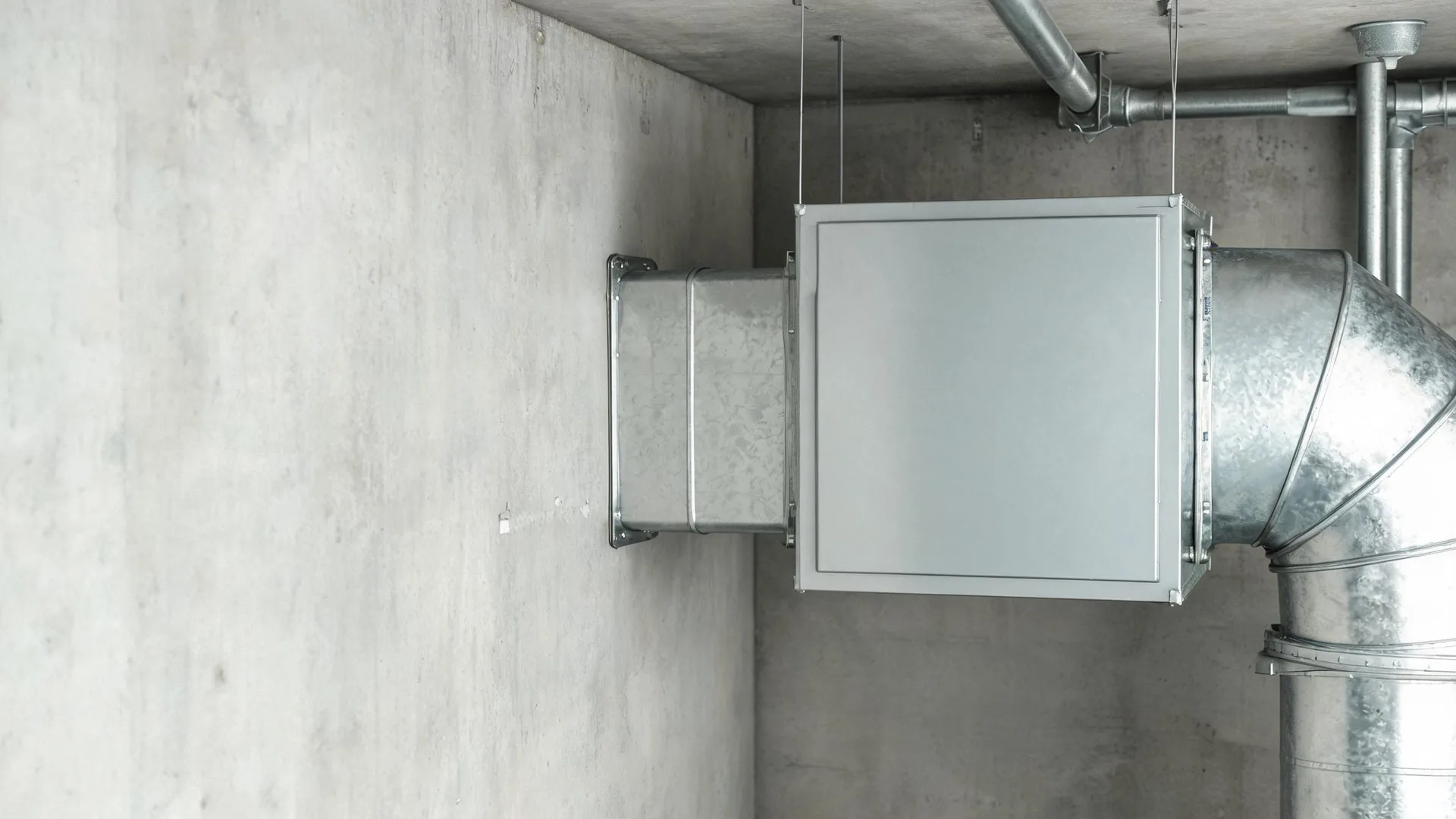
A dirty filter chokes airflow across the coil, and the system has to work harder to pull heat out of the house. Check it on a regular basis and swap or rinse it when it looks gray or clogged. This is the one job a homeowner can do that actually protects the equipment.
Leave the rest to the technician
The refrigerant charge, the capacitor, the contactor, none of that is something to open up or test at home. Low refrigerant or a weak capacitor won't show themselves clearly until the system struggles to cool or shuts off on its own. A technician checks those during a tune-up before they turn into a breakdown.
5 months
May through September, your air conditioner is on duty
88°F
the average summer afternoon it cools against
28 hail events
in ten years, and hail bends the fins on outdoor coils
40 wind events
in ten years, and wind drives debris into outdoor units
Your air conditioner works hardest from June through August.
Jan
Feb
Mar
Apr
May
Jun
Jul
Aug
Sep
Oct
Nov
Dec
NOAA nClimDiv, 1991–2020 normals
Cooling runs about five months here, May through September.
One tune-up before May covers the stretch the system actually has to work.
Cooling starts working hard in May. Have it checked in April.
Cooling runs May through SeptemberSummer afternoons average 88°F28 hail events from 2015 to 2024
Behind that filter sits the evaporator coil, and it has to stay clean to pull heat out of the air. Dust that gets past a dirty or loose filter settles on the coil fins and acts like a blanket, so the system runs longer to reach the same temperature. Below the coil is the condensate drain, a small line that carries off the water the coil pulls out of the air. That line can grow algae or catch dust and clog, and when it does, the water backs up instead of draining outside. Some systems shut themselves off when that happens, so they don't overflow into the house. A tune-up usually includes flushing that drain line along with checking the coil, since both sit out of sight and neither gives much warning before it causes a problem.
The difference is what gets tested, not how long it takes
A quick visit means someone glances at the outdoor unit, checks that it powers on and cools, and leaves. A thorough one means the panel comes off. The technician checks refrigerant pressure against what the system is supposed to run at, not just whether cold air is coming out. They test the capacitor's actual output, since a weak one can still start the compressor and still fail in another month. They check amp draw on the compressor and fan motor, because a motor pulling too many amps is wearing out even while it runs fine today. Electrical connections get tightened, since a loose one builds resistance and heat over time. The condenser coil gets washed, not just looked at, because packed dirt on those fins holds heat in the system the same way a dirty filter does. None of this takes long to skip. It only takes long to do right.
What a bad start looks like
A compressor can still start every time and still be on its way out. The start winding draws extra current for a moment each cycle, and if that current runs high for too long, it cooks the winding insulation a little more each time. Nothing sounds different. Nothing trips. A technician checking amp draw against what the compressor is rated for can catch that wear before the day it finally refuses to start.
Why the system short-cycles
Short-cycling means the system kicks on, runs a few minutes, and shuts off before the house actually cools, then starts again soon after. A homeowner usually blames the thermostat. More often it traces back to a dirty flame sensor, a refrigerant charge that's drifted low, or a contactor pitted from arcing over and over. Each start like that wears the compressor a little more than a normal full cycle does, so the pattern itself causes the next failure, not just the one already underway.
Book your AC tune-up in April, before homes here start needing cooling in May.
Jan
Feb
Mar
Apr
May
Jun
Jul
Aug
Sep
Oct
Nov
Dec
A tune-up checks the refrigerant charge, cleans the coils, tests the capacitor and tightens the electrical connections.
A tune-up also checks the system's airflow balance, not just its parts. The blower has to move a set amount of air across the coil for the refrigerant to absorb heat the way it's designed to. Too little airflow and the coil can frost over even on a hot day, which then blocks airflow further and makes the problem worse. A technician checks static pressure in the ductwork to see whether the blower is fighting harder than it should, often from a return that's too small or a filter slot that leaks air around the edges instead of through it. That's a duct issue, not a part wearing out, and it won't show up just by looking at the unit outside.