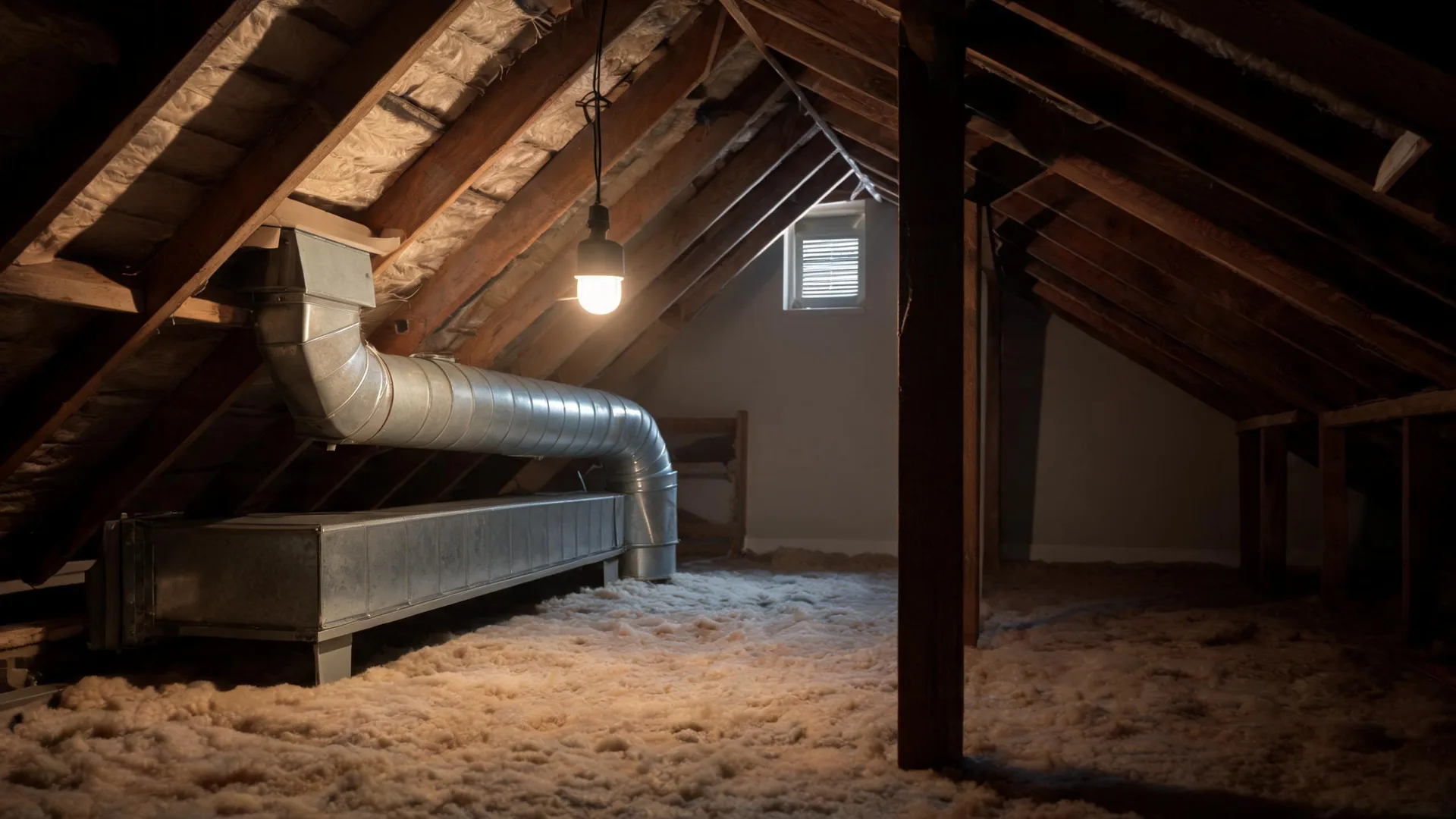
Five months of real heat
Air conditioners in Jefferson County run from May through September. Afternoon highs average 91°F through June, July and August, so the system is rarely working against mild air.
Takes about a minute. No obligation.
Air conditioners in Jefferson County run from May through September. Afternoon highs average 91°F through June, July and August, so the system is rarely working against mild air.
Long summers with highs near 91°F keep the compressor and fan motor running hour after hour, season after season. Worn parts tend to show up early, right when the heat starts.

NOAA nClimDiv, 1991–2020 normals
A dirty condenser coil can't shed heat the way a clean one does, so the compressor runs longer to cool the house.
Keep skipping that cleaning and the compressor is usually the part that fails first.



Jefferson County sees its share of rough weather, including 45 damaging wind events and 30 hail events over the past decade. Storms like that can nick a condenser's fins or leave debris sitting against the unit, and you won't always see the damage from the porch. A yearly check gives a contractor a chance to catch that kind of thing before the system has to run on it all summer. It also means someone is looking at the coil, the fan motor, and the refrigerant charge once a year, which is what this machine needs here. Nothing about Pine Bluff asks for more than that.
Cooling runs May through September here, and the system works hard from the first week. April is the month to get the coil, the fan motor, and the refrigerant charge looked at, before the house needs cold air.
Find a contractor
Watch the clip move from morning into night and that's the system running close to nonstop, day after day, for five months straight. Have the coil, the fan motor and the refrigerant charge checked before May. That's the visit that catches a worn part while the system is still idle, instead of on the first 91°F afternoon when it can't be shut down to fix.
By the time the air coming out feels wrong, something has usually been failing for a while. Short cycles where the system shuts off and restarts within minutes, a hiss or click at the unit, warm air at the register, these show up before a full breakdown does. A check catches the weak capacitor or the low charge behind them while the system is still running.
A homeowner can see a dirty filter or a blocked vent. A tech can measure the refrigerant charge, test the capacitor under load, and check the amp draw on the fan motor and compressor. Those numbers either sit where they should or they don't, and that's what tells you whether a part is about to fail, not whether the house feels cool today.
A tune-up checks the refrigerant charge, cleans the coils, tests the capacitor and tightens the electrical connections.
A proper tune-up starts outside at the condenser. The tech pulls the fan guard or top and cleans the coil fins so the unit can shed heat again, then checks the fan motor and blade for wobble or noise. Refrigerant charge gets checked against what the system calls for, since too little and the compressor works harder than it should, too much and it can flood back and damage the compressor over time. The capacitor gets tested under load, not just looked at, because a capacitor can read fine sitting still and still fail the moment the compressor tries to start. Inside, the tech checks the evaporator coil and the condensate drain, since a clogged drain backs up and can shut the system down on its own. Electrical connections get checked for looseness or corrosion, and amp draw on the motors gets measured against what the nameplate calls for. None of this is guesswork. Either the numbers sit where they should or they don't, and that's what separates a system that makes it through summer from one that doesn't.