






Night view of illuminated white Southern-style houses with wraparound porches beneath Spanish moss-draped oak trees.

AC Maintenance in Harrison, AR

Tell us about the job

Takes about a minute. No obligation.

Tune-up, service, or cleaningCentral ACBoone County, AR
Step 1 of 2

What ZIP code is the job in?

May is the month to get a technician out, right before cooling starts here. Once June hits, your AC runs every day through September. A capacitor that's weakening or a coil that's low on charge shows it fastest in those first hot weeks, when the system is working hardest it will all year. Checking it in May catches that early, while there's still time to fix it before you need the system every day. Wait until summer is underway and you're troubleshooting in the middle of a four month stretch with no break.

4 months
June through September, your air conditioner is on duty
87°F
the average summer afternoon it cools against
43 hail events
in ten years, and hail bends the fins on outdoor coils
37 wind events
in ten years, and wind drives debris into outdoor units
Isometric line illustration of a cutaway single-story house showing interior rooms, ductwork, an indoor air handler or furnace, and a refrigerant line running to an outdoor condenser unit on a pad.
Your air conditioner works hardest from June through August.

NOAA nClimDiv, 1991–2020 normals

A system that's falling behind doesn't announce it. It just runs longer each cycle to make up the difference.

Nobody notices longer cycles from inside the house, but the compressor feels every one of them.

Half the homes in Boone County were built by 1985, which means half are newer, and a newer system is worth keeping that way

Half the homes here were built by 1985
Cooling runs June through September
Summer afternoons average 87°F
One storm can undo what maintenance keeps steadyBoone County saw 90 severe weather events between 2015 and 2024

If your AC went in when the house was built, a yearly checkup is what keeps it running that way. A technician checks the charge, tests the capacitor, and looks at the coil before the heat sets in. None of that reverses age on a unit, but it catches the small problems while they're still small. Skip a few years of that and the same problems get found mid-summer, with the system running every day, instead of on a schedule you picked ahead of it.

Book it before the season

It starts running hard in the first month of the season here. Book the check the month before.

Find a contractor
A gray cylindrical air conditioning condenser unit mounted on a concrete pad next to a light-colored vinyl-sided house exterior.

What's wrong before anything sounds wrong

A refrigerant charge that's a little low won't make the air feel wrong right away. The system still cools, just by running longer to get there, and that extra runtime is what a gauge set catches before you'd ever notice from a vent. Same with a capacitor that's starting to weaken. It still kicks the compressor on every time, until the one day it doesn't, usually on the hottest afternoon it's seen all year. A technician tests it under load and knows if it's got a season left or not, which isn't something you can tell by looking at it. The coil tells its own story too. A thin layer of dust or film across the fins makes the system pull harder to move the same air, and it builds slowly enough that nothing about running the AC day to day would tell you it's happening.

Dirt and dust don't stay put

A coil that never gets cleaned keeps pulling harder, season after season. The compressor runs longer to make up for it, and that extra strain is what wears a compressor down early. By the time airflow actually feels weak, the coil has been working against itself for years.

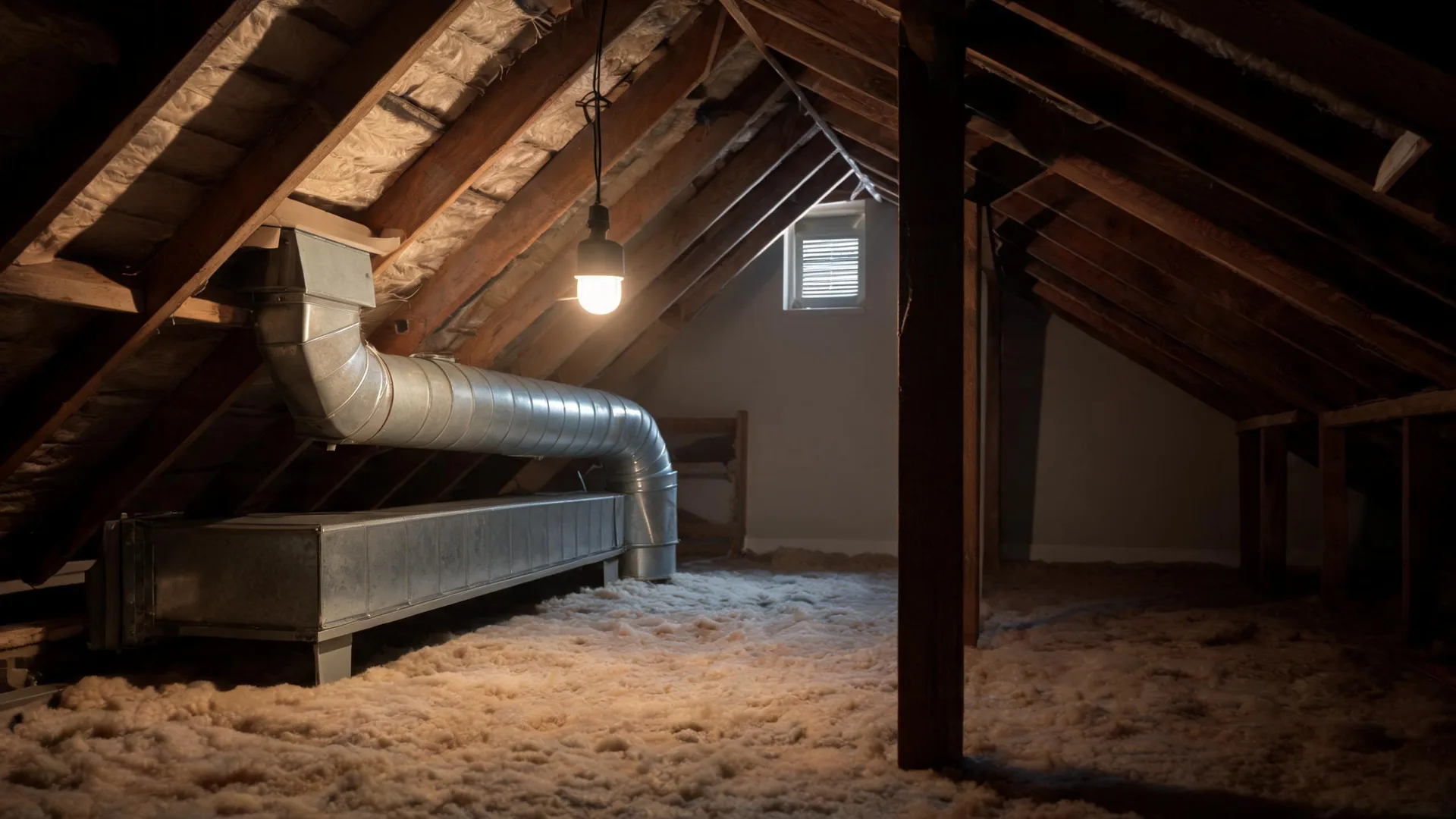
Small problems don't stay small

A capacitor losing strength or a charge running low doesn't fix itself with time. Left alone, the compressor is what absorbs the strain, running longer and harder to cover for a part that isn't pulling its weight. Catching the capacitor or the charge early is what keeps the compressor out of it.

An outdoor air conditioning condenser unit positioned beside a blue-sided house at sunset.

Book your AC tune-up in May, before homes here start needing cooling in June.

  1. Jan
  2. Feb
  3. Mar
  4. Apr
  5. May
  6. Jun
  7. Jul
  8. Aug
  9. Sep
  10. Oct
  11. Nov
  12. Dec

A tune-up checks the refrigerant charge, cleans the coils, tests the capacitor and tightens the electrical connections.

A tune-up starts outside, at the condenser. The technician pulls the panel and checks the capacitor under load, since that's the part that pushes the compressor into motion every single cycle and the one most likely to fail without warning. The refrigerant charge gets checked against what the system calls for, not just topped off by guess. The coil gets looked at for dust and film across the fins, and cleaned if it needs it, because that buildup is what makes the system work harder to move the same air. Electrical connections get checked for anything loose or corroding, since a bad connection is what takes a system down between visits. The blower and its motor get checked too, since that's what moves the cooled air through the house once the rest of the system has done its job.