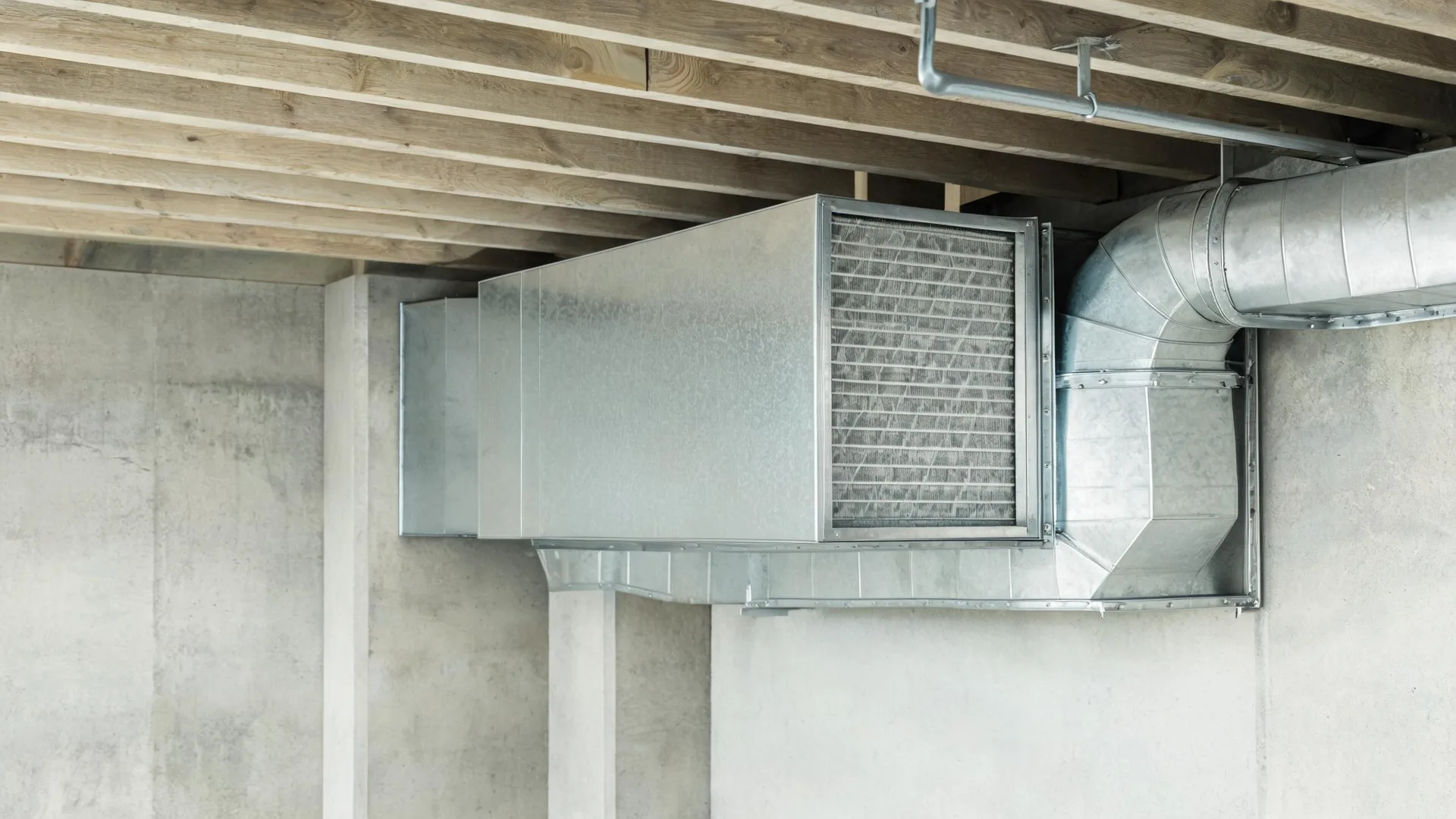
A few things tell you a checkup is overdue. The air coming out of the vents feels weak or warm when it used to feel cold. The system runs longer than it used to, cycling on and off more than you remember. You notice a smell when it kicks on, musty or burnt, neither of which is normal. Water pools near the indoor unit, which usually means the drain line is clogged and needs clearing before it backs up further. Ice forms on the refrigerant line or the coil itself, a sign something is restricting airflow or the charge is low. None of these mean the system is about to fail, but each one is the kind of thing a tech catches early during a routine visit, before it turns into a repair.
5 months
May through September, your air conditioner is on duty
88°F
the average summer afternoon it cools against
14 hail events
in ten years, and hail bends the fins on outdoor coils
63 wind events
in ten years, and wind drives debris into outdoor units
Your air conditioner works hardest from June through August.
Jan
Feb
Mar
Apr
May
Jun
Jul
Aug
Sep
Oct
Nov
Dec
NOAA nClimDiv, 1991–2020 normals
AC here runs May through September, five months of real work.
April is the month to get it checked, right before that starts.
What 85 severe weather events in a decade don't change about your AC
85 severe weather events from 2015 to 202424% of homes statewide lost power a day or more in 202463 damaging wind events from 2015 to 2024
Half the homes in Johnson County were built in 1986 or later, which means a lot of AC systems out there still have plenty of working life left in them. A yearly check is what keeps it that way. The coil stays clean, the refrigerant charge stays correct, and the electrical connections get tightened before a loose one causes a bigger problem. None of that reverses age on a unit, but on a system that still has years ahead of it, it's the difference between getting all those years and losing some early to a problem that went unnoticed.
A dirty coil makes the system run longer to move the same heat, and that longer runtime is what wears out a compressor ahead of schedule. A clogged filter does something similar, it starves the blower for air until the whole system is working against itself. Low refrigerant gets worse on its own too, since a small leak stays small for a while and then isn't. None of this shows up as a sudden breakdown. It shows up as a slow climb in runtime, month over month, until the unit is working hard every time it kicks on. A yearly check catches that climb early, while it's still a cleaning or an adjustment instead of a replacement.
Each part fails for a different reason
The filter keeps dust and debris out of the system. Once it's clogged, the blower has to pull harder just to move the same air through. The coil is where the cooling actually happens, and dust or grime on it makes the refrigerant work harder to pull heat out of the air. The drain just carries off the condensation that cooling creates, nothing more. A checkup looks at all of them separately, because fixing one doesn't help the others.
The drain backs up without warning
A dirty filter or a coated coil loses efficiency slowly, over weeks of running harder than it should. The drain line doesn't give that warning. Algae and sludge build up inside it unnoticed, and once it's blocked, the condensation has nowhere to go but back into the drain pan and from there into the house. A tech clears that line during a routine visit, before it ever gets the chance to back up.
Book your AC tune-up in April, before homes here start needing cooling in May.
Jan
Feb
Mar
Apr
May
Jun
Jul
Aug
Sep
Oct
Nov
Dec
A tune-up checks the refrigerant charge, cleans the coils, tests the capacitor and tightens the electrical connections.
A proper tune-up starts with the refrigerant charge, checked against what the system calls for, not guessed at. Too little and the coil can ice over. Too much and the compressor works harder than it should every cycle. The tech also checks the electrical side. Contactors, capacitors, and the connections at the disconnect all get tested, since a weak capacitor is one of the most common reasons a system stops starting. The coil gets cleaned if it needs it, and the blower wheel gets checked for dust buildup that can throw it off balance. Outside, the tech makes sure the condenser has clearance to breathe and that the fan motor spins freely without wobble or noise. None of these steps fix a problem that doesn't exist yet. They catch the one that's starting.