
32°F average winter low
Your heat pump works against cold air for months before summer even starts. A system straining all winter is more likely to show a cooling problem when the heat climbs back in.
 Start one form
Describe your heat pump job once, to one pro.
A heat pump that won't cool in a Jonesboro summer is not something to let sit. The air coming out feels warm or just barely cool, and the house starts climbing past where you set the thermostat. That usually points to something specific: a low refrigerant charge, a dirty outdoor coil, a reversing valve stuck in the wrong position, or a compressor that's struggling to start.
Figuring out which one it is takes someone who works on heat pumps around Craighead County all season, not just in theory. Summers here run long and muggy, and these systems run hard for months at a stretch. A contractor who services this equipment every year in this climate has likely already seen whatever is going on in your unit.
Finding that person yourself is the hard part. It means searching for heat pump contractors near Jonesboro, calling a few, describing the same symptoms over and over, then waiting to see who calls back and comparing what each one quotes you. That takes time you don't have when the house is sitting at 82 degrees.
This page skips that. You tell us what's going on with your heat pump once, and it goes to a licensed contractor local to the Jonesboro area, not a batch of companies competing for your callback. One contractor, already lined up to look at your system, means no juggling multiple calls or explaining your problem to five different people before anyone shows up.
From there, it's between you and the contractor: a time to look at the unit, a diagnosis, and a plan to get the cold air back. The button below is what starts that.
You set the thermostat low and the house still feels warm, or the air coming out of the vents is barely cooler than the room. In a Jonesboro summer that gets uncomfortable fast, and it's natural to wonder whether this is something minor or a sign the system is failing outright. Most of the time the cause is one of a handful of things, and which one it is changes whether the fix is quick or more involved.
A heat pump cools by moving heat out of your house, and that depends on refrigerant circulating at the right pressure and a reversing valve switching the system into cooling mode. If the valve sticks in heating position, the system runs but blows warm air no matter what the thermostat says. If refrigerant has leaked out, the coil can't absorb heat properly and the air comes out barely cool. A dirty outdoor coil or a failing compressor can cause the same symptom. With Craighead County summers running hot and humid for months, a heat pump that's only partly cooling will struggle to keep up, and the problem rarely corrects itself without a contractor finding and fixing the specific cause.




Winter nights average 32°F
Winter nights average 32°F across December, January and February, so your heat pump spends real time pulling heat from cold outside air, not mild air.
Heat runs October through April
Heat runs about seven months a year here, October through April, so a struggling heat pump rarely gets a long break to show a problem is building.
Cooling runs May through September
Cooling runs about five months a year, May through September, and when it won't cool in that stretch, the same unit has no backup system to lean on.
NOAA nClimDiv 1991-2020
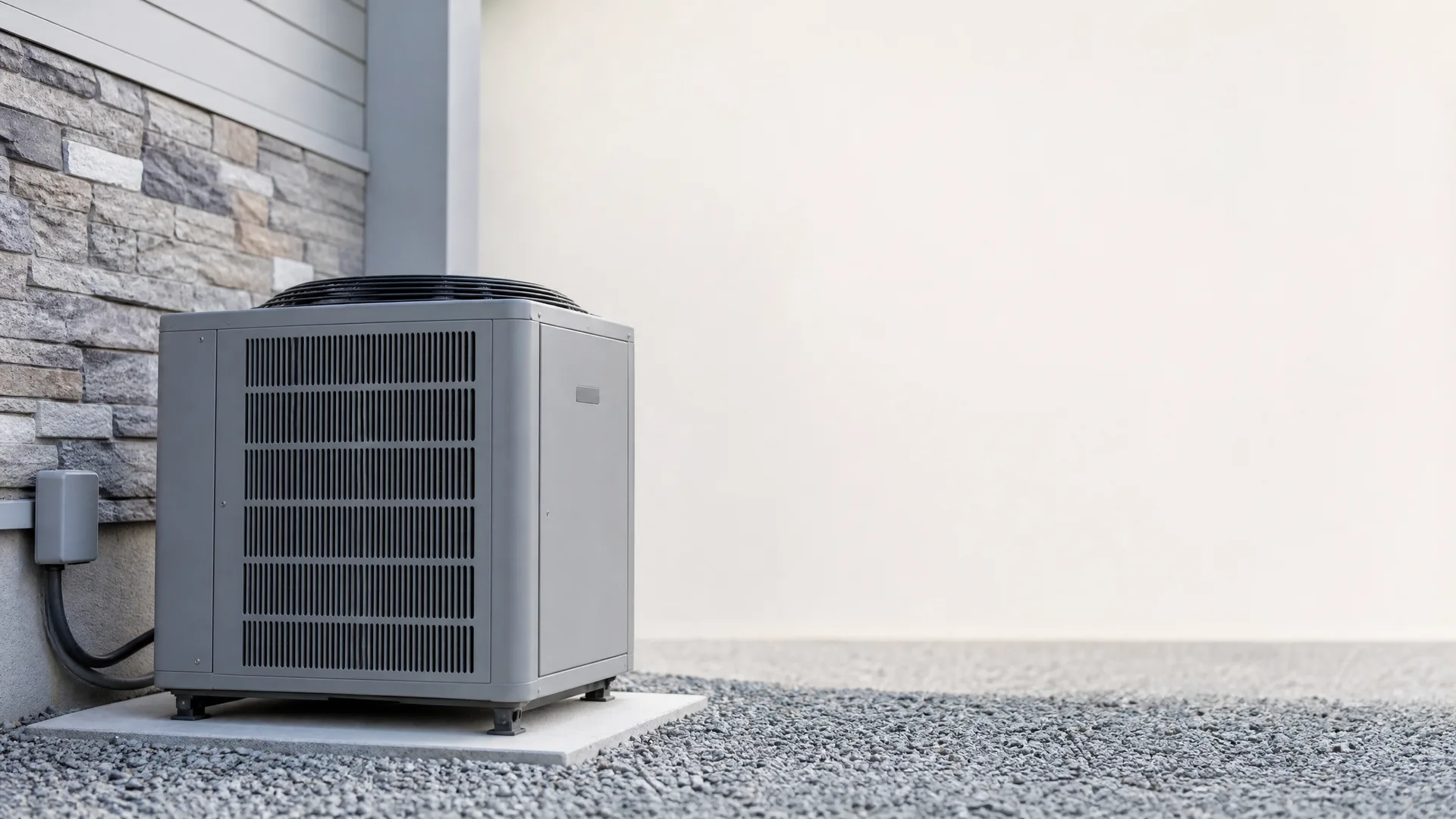
The outdoor unit hums along, the indoor fan moves air, and the thermostat still won't come down. This is often the harder case to live with, since nothing looks broken. A frozen indoor coil, a reversing valve stuck in the wrong position, or a refrigerant leak can all leave the system running full tilt while the air stays warm. A contractor who works on heat pumps through a Jonesboro summer will check these first, because they're the ones that show up most.
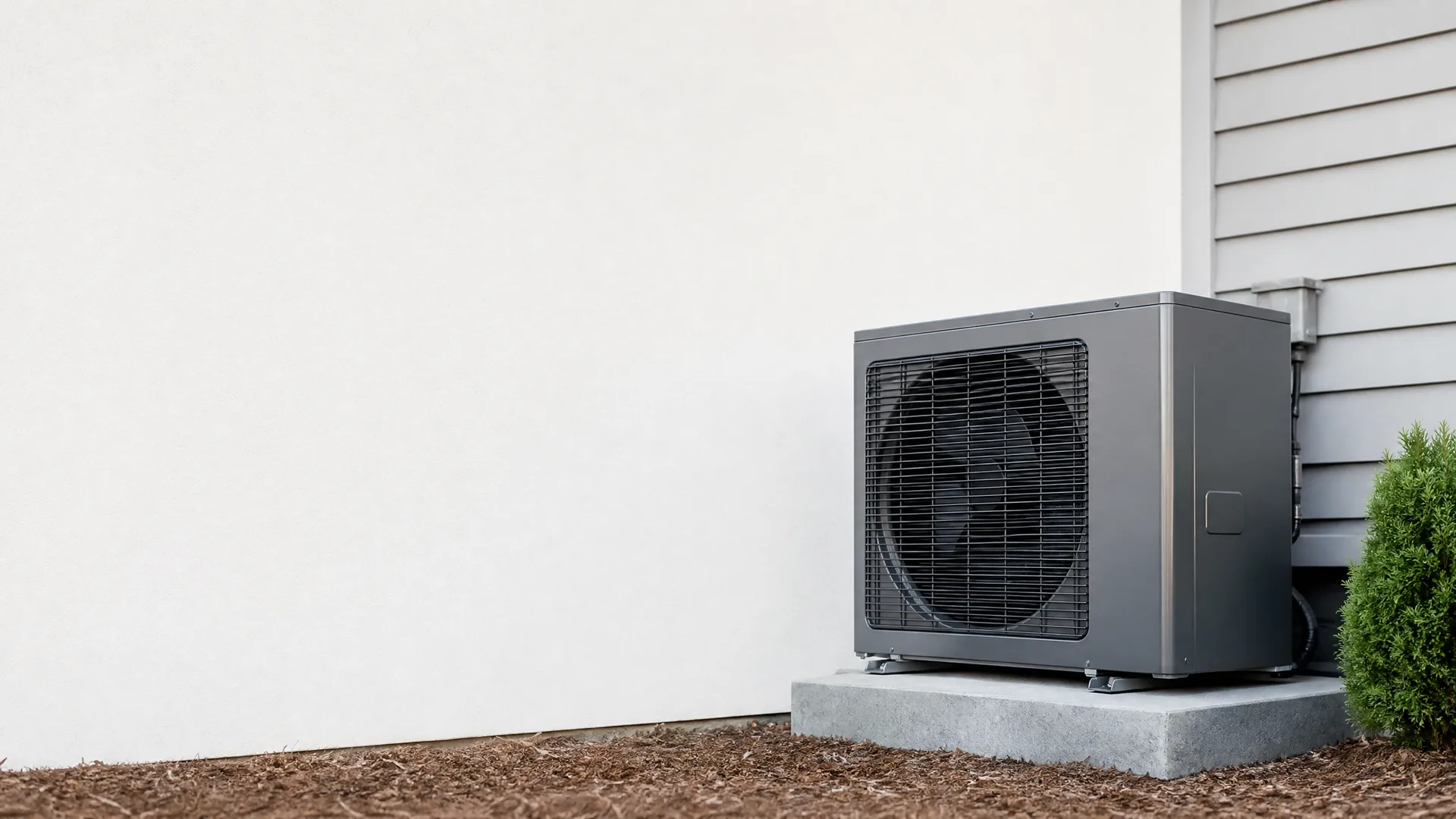
If the outdoor unit is silent and the house is getting hotter by the hour, the problem is usually electrical rather than mechanical. A tripped breaker, a failed capacitor, or a bad contactor will stop the compressor cold while the rest of the system seems fine. This is often the faster fix once someone qualified is looking at it, though you won't know which one you're dealing with until it's diagnosed.
A technician checks the reversing valve to confirm it's stuck in heat mode.
Refrigerant pressure gets measured at the outdoor unit to find a leak or low charge.
The indoor coil gets inspected for ice, which blocks airflow and stops cooling.
Electrical components get tested, since a failed capacitor can stall the compressor.




You've already read through what might be wrong. The next step is getting someone out to look at it, and that's its own chore in a summer like this. Instead of calling around Jonesboro and Craighead County, explaining the same symptoms to three or four companies, then sitting with quotes trying to guess which one actually knows heat pumps, this request goes to one licensed local contractor who works on this equipment all season and has a good idea what's failing before they get to your door. No stack of callbacks to manage, no retelling the story. You fill it out once, and the house stays hot while you wait, so the sooner it's in front of someone who can actually check the refrigerant charge or the reversing valve, the sooner you're not guessing anymore.
A heat pump that won't cool through a Jonesboro summer turns your house into the hottest room you own. Upstairs bedrooms hold heat worst, and if the air coming out of the vents is only a few degrees under room temperature, that gap shows up at bedtime when the house hasn't had a chance to shed the day's heat. A frozen indoor coil can go unnoticed for a day or two since the system still runs and the thermostat still lights up, but the house keeps drifting warmer the whole time. If the problem is the reversing valve stuck in heat mode, you might actually feel warm air blowing on a 95 degree afternoon, which is its own kind of unsettling. Left alone, a frozen coil can push liquid refrigerant back to the compressor, and that's the kind of damage that turns a repair into a replacement. None of this fixes itself by adjusting the thermostat or waiting out the heat.


Your heat pump works against cold air for months before summer even starts. A system straining all winter is more likely to show a cooling problem when the heat climbs back in.
The same indoor coil that warms your house in January has to shed heat in July. Ice or grime on it in winter shows up as warm air from the vents now.
At 8.97 cents per kilowatt-hour, running your heat pump here doesn't strain the budget the way it might elsewhere. That's worth knowing before a repair, so you can fix what's actually broken instead of swapping the whole unit for something newer to save on power.
EIA-861 2025
A heat pump that won't cool comes down to one of a few things: the reversing valve stuck in heat mode, a refrigerant leak or low charge, ice built up on the indoor coil, or an electrical fault keeping a part from running. None of those get fixed by guessing. A technician checks pressures at the outdoor unit, looks at the valve, and inspects the coil, and that visit tells you which problem you actually have. From there the fix is usually straightforward, the failed part gets repaired or swapped out, not the whole system.
What makes the visit worth something is who shows up. Craighead County runs its heat pumps hard in both directions, cold winter nights that push the system to pull heat from freezing air, then long muggy summers asking the same unit to cool a house that climbed past the thermostat setting. A technician who works on these systems across the area all year has seen which parts give out first under that kind of back-and-forth use, and that experience shortens the distance between a symptom and a diagnosis.
You also only deal with one company. A single licensed contractor takes the call, asks what's happening, and sends someone out. There's no explaining the warm air and the thermostat setting to three or four different outfits, no stack of quotes to compare before you decide. Just one technician who looks at the unit, finds what's wrong, and tells you what it takes to get the house cooling again.
Explain it one time