





Heat pump frozen over in Fort Smith, AR

RepairHeat PumpSebastian County, AR
Step 1 of 2

What ZIP code is the job in?

A frozen heat pump in winter usually means the system is stuck in a defrost cycle it can't finish, or it's low on refrigerant, or airflow is blocked somewhere. Heat pumps are built to ice over a little in cold weather and then melt that off automatically. When they can't catch up, ice builds across the outdoor coil instead of clearing. Fort Smith winters bring enough cold, damp days that this shows up often, especially with most homes here running on electric heat and leaning on the heat pump through the season. Once the coil is coated, the unit can't pull heat from the outside air, so it either keeps running without heating the house or shuts itself down. Turning it off and letting the ice melt may bring it back for a while, but if it freezes again, something underneath needs a look: the defrost control, the reversing valve, a fan motor, or refrigerant charge.

A smiling woman with dark shoulder-length hair in a cream V-neck sweater sits at a marble counter with a glass of red wine, with a kitchen and softly lit living room behind her.
A woman in a dark green sweater laughs while seated at a marble kitchen island with a glass of red wine, with open shelving, cabinets and a living room visible behind her.
A woman with long dark hair in a cream knit sweater laughs while looking off to the side, seated at a counter with a glass of red wine, in a dimly lit living room with a sofa, lamp, framed pictures and houseplant behind her.
A smiling woman with long dark hair in a beige sweater sits at a marble kitchen counter with a glass of red wine, with a dimly lit living room behind her.

Why does your heat pump keep freezing up here?

  • Winter nights average 31°F

    Nights sit around 31°F for three months straight here, so your heat pump is running defrost cycles constantly just to keep up.

  • Heat runs November through April

    Six months of heat a year means six months where a defrost cycle that won't finish can leave ice building up night after night.

  • Cooling runs May through September

    Five months of summer cooling put real hours on the same reversing valve that has to switch over cleanly every time winter defrost kicks in.

NOAA nClimDiv 1991-2020

A little frost on the outdoor unit during a defrost cycle is normal. That frost should be gone within an hour, with the fan running and some steam coming off the coil as it clears.

Ice that stays, builds thicker overnight, or coats the coil in a solid sheet is not normal. That means the defrost cycle isn't finishing, and the system needs a contractor who works on heat pumps to find out why before it keeps running like that.

An outdoor air conditioning condenser unit sits on a concrete pad beside a white horizontal-siding house, with a gray electrical disconnect box and insulated refrigerant lines on the wall, mulch and green shrubs to the right, and a concrete slab in the foreground.
Before you get your heat pump repair
A gray outdoor air conditioner condenser unit on a concrete pad beside a house with horizontal lap siding and a stone veneer base, with a conduit running to a wall-mounted disconnect box and shrubs and evergreen trees to the left.
After you get your heat pump repair

Why defrost cycles run so often here

A heat pump defrosts by reversing itself for a few minutes, sending warm refrigerant through the outdoor coil to melt off ice before switching back to heating your house. That only works if the thermostat and the outdoor sensor agree the coil is cold enough to need it and warm enough afterward to stop it. With nights near freezing for months at a stretch in Sebastian County, that cycle can run many times a night. A board or sensor that's slightly off won't show it in October. By January, running that often, it will.


What a coil looks like when it can't recover

Check the outdoor unit in daylight. A coil that's defrosting properly looks wet or lightly frosted, with the fan turning and some steam rising off it. A coil that's lost the fight looks different: ice built up solid across the fins, sometimes thick enough to cover the fan blades entirely, with no steam and no wet sheen anywhere. That solid coating blocks the airflow the unit needs to move heat at all, so the heat pump keeps running without putting out much warm air, which is usually the first thing you notice inside.

A smiling bearded man in a navy crewneck sweater sits at a dinner table with a glass of red wine, plates and glasses in the foreground, in a dimly lit room with a lamp and framed picture behind him.
A woman in a dark gray sweater reclines on a light sofa with eyes closed and a slight smile, under a textured gray blanket with an open book resting on her lap, with a lit table lamp and plant in the background.

No calling every shop in Sebastian County

A licensed pro who repairs heat pumps in Sebastian County gets your request.

Asking costs nothing, and the choice to hire stays yours.

A gray outdoor condenser unit on a concrete pad beside a house with horizontal lap siding, with a metal disconnect box and refrigerant lines on the wall, river rock and mulch to the sides, and a green shrub at right.

Clear coil, normal operation

This is what the outdoor unit should look like. The fins are clean, the pad is clear, and air moves through the coil without resistance. A unit kept like this can still ice up on a cold night, but it should clear itself within the hour.

A dirty outdoor air conditioner condenser unit with debris on its coil grille, sitting on a concrete pad beside a light-colored horizontal siding wall, with bare dirt ground in front and a shrub at right.

Clogged coil, no way to defrost right

Dirt, leaves, and plant matter have packed into the grille and fins here. Air can't pass through the coil, so the defrost cycle can't move enough warm refrigerant to melt the ice. This is how a frozen unit stops clearing on its own and needs a contractor to look at it.

What's happening at your house right now

Step outside and look at the outdoor unit. If you see a thick white or gray shell over the coil, not just frost on the top, that's past normal. The fan may be struggling to turn or not turning at all. Inside, you've probably noticed the air from your vents has gone cool or just stopped feeling warm, and the system may be running nonstop without catching up. Some homeowners hear a hissing or hear the unit humming without the fan moving. Left alone through a cold night, a fully iced coil blocks airflow completely, and the system either keeps drawing power without heating your house or trips out and leaves you relying on backup heat strips, which cost more to run.

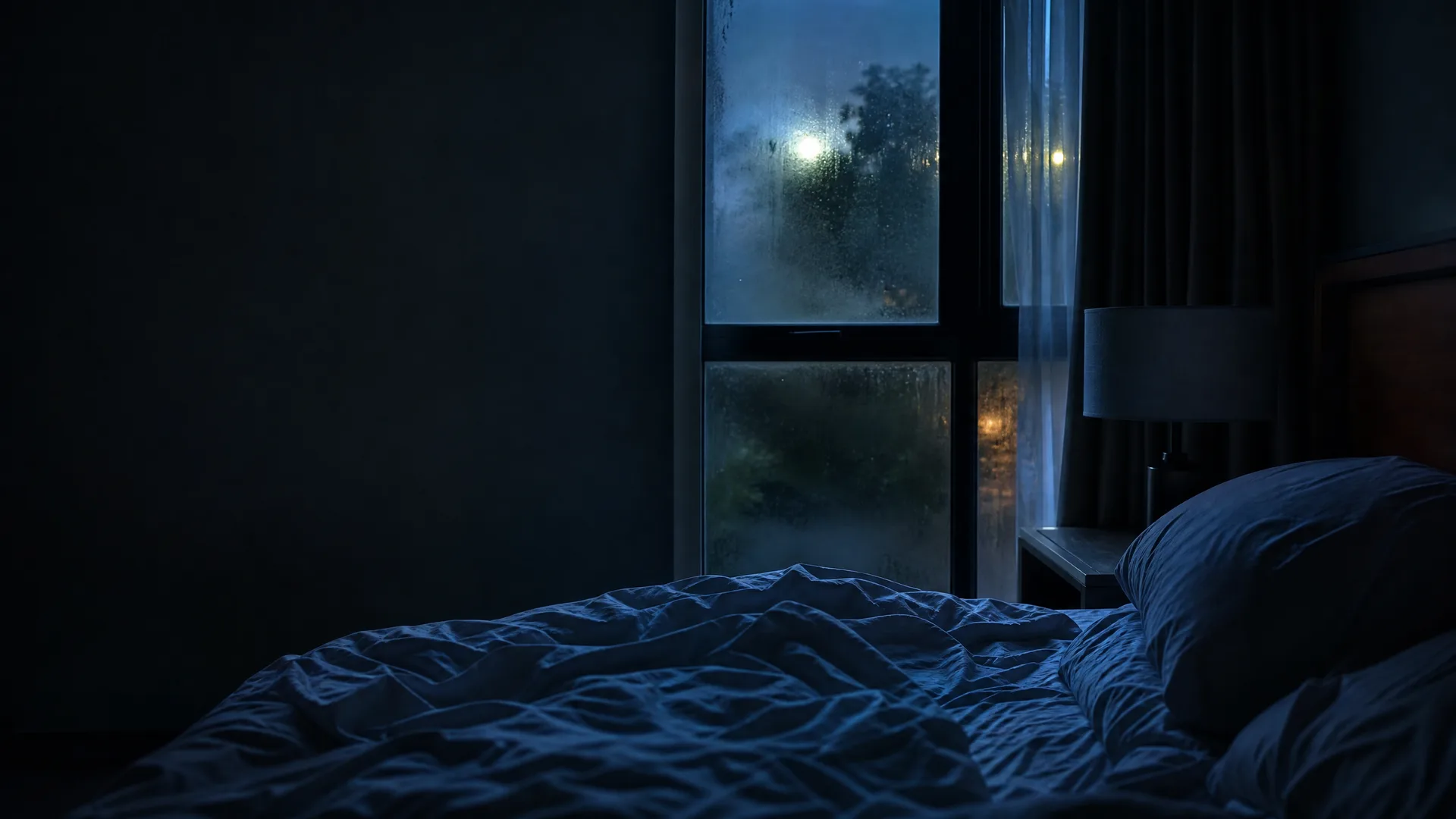
A dark bedroom at night with a rumpled duvet and pillows on a bed beside a rain-streaked, condensation-covered window with distant lights, a curtain, and a bedside lamp.

It's past midnight in January and the house is cold enough that you're awake because of it. You've got a second blanket pulled up and the thermostat reads five degrees under what you set it to. Outside the window, past the frost on the glass, the heat pump sits quiet, the coil coated solid, no steam, no fan turning. You can hear it try to kick on and stop. Down the hall the vents are pushing air that doesn't feel like anything. You lie there doing the math on how many hours until it's light enough to call someone, and whether the space heater in the closet still works.

Power here costs 12.56 cents per kilowatt-hour

You're paying 12.56 cents per kilowatt-hour here, well below what a lot of the country pays, which is part of why electric heat makes sense in Sebastian County. But a heat pump stuck in a bad defrost loop, or running on backup electric strips because it's iced over, burns through that cheap power fast. A frozen unit costs you more precisely because it's working harder for less heat.

EIA-861 2025

Where this leaves your system

  • Ice that melts off within an hour on its own is a normal defrost cycle, not a problem.
  • A coil still coated in a thick shell hours later, or a fan that won't turn, means something is stopping the cycle from finishing.
  • The cause is usually a stuck reversing valve, a low refrigerant charge, a bad defrost sensor, or airflow blocked by a dirty coil or a buried outdoor unit.
  • Backup electric strips can keep the house warm for a while, but they run up your bill fast and don't fix why the unit froze.
  • A local contractor who services heat pumps through winters here has likely already seen whatever is stopping yours from defrosting.
  • Sending your request to one licensed local contractor means one visit, one diagnosis, and no juggling calls from several companies.

A heat pump that clears its own frost within the hour is doing what it's supposed to do. One that's still wearing a thick coat of ice at breakfast, with a fan that won't spin, is stuck somewhere in that cycle and isn't going to fix itself. The reversing valve might be stuck, the charge might be low, the defrost sensor might be reading wrong, or the coil might just be too dirty or too buried in the yard for air to move through it. Those are different problems with different fixes, but they share one thing: none of them clear up on their own, and none of them get better while electric strips carry the house through the cold.

Whoever services that unit has been through plenty of winters here already, with plenty of frozen coils behind them. A reversing valve that sticks in January isn't a new problem to someone who works on these systems every season in Sebastian County. That's the advantage of sending the request to one local contractor instead of fielding calls from several: one visit from someone who already knows the handful of things that usually stop a heat pump from defrosting out here, rather than explaining the same frozen coil to company after company.

The ice on the unit outside is telling you something specific. What's next is getting someone out to read it correctly and put the system back to doing what it's built to do.

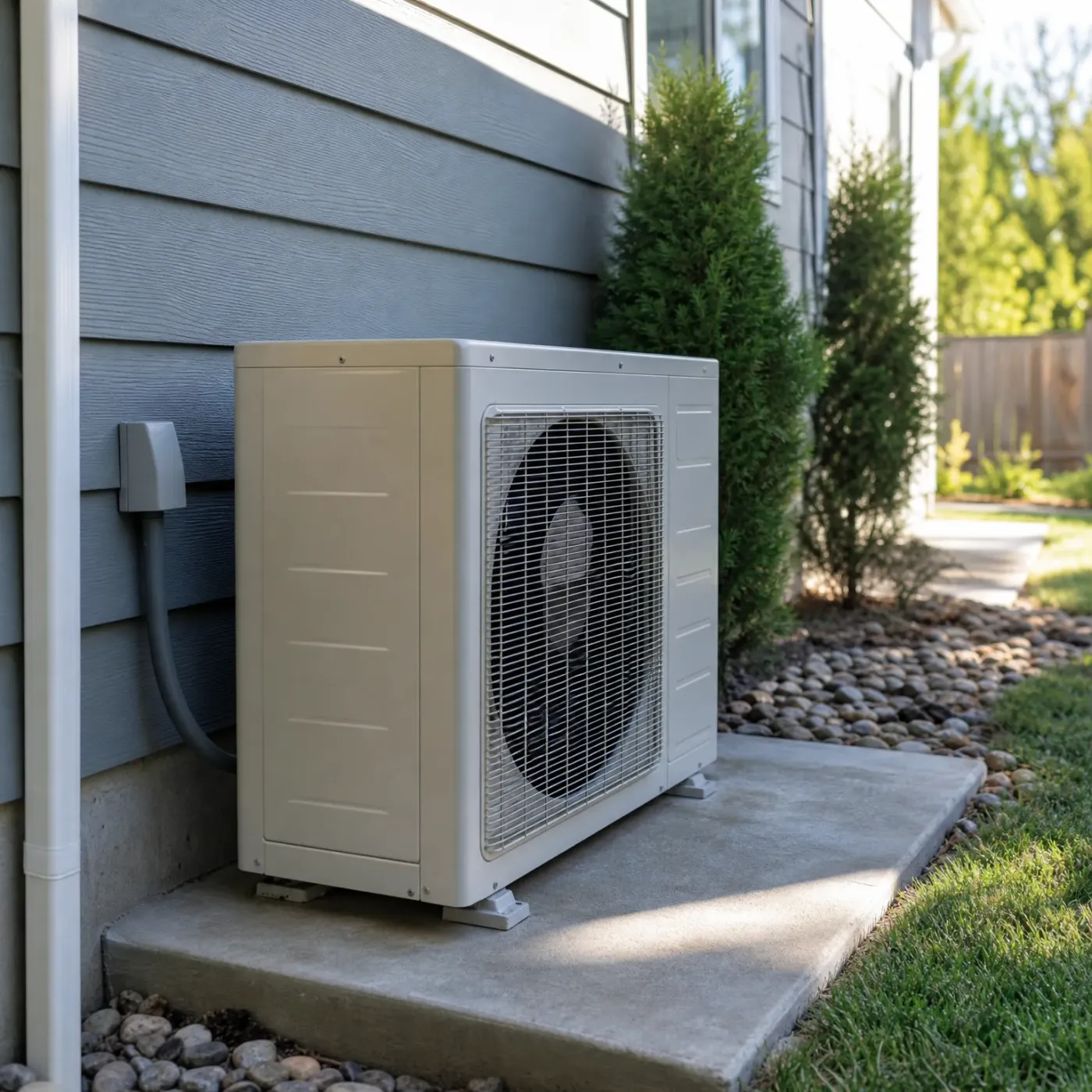
A beige outdoor heat pump or air conditioner condenser unit on a concrete pad beside a gray horizontal-siding house, with a disconnect box and conduit on the wall, shrubs, river rock and lawn nearby.

Skip the calls to every shop

Find a local pro

The pro who gets in touch is licensed in Arkansas and works in Sebastian County.

No fee to send it, and nothing to sign.