Weather here is hard on outdoor units
Baxter County logged 114 severe weather events between 2015 and 2024, including damaging wind and hail. That coil and fan sit outside through all of it.
Takes about a minute. No obligation.
Baxter County logged 114 severe weather events between 2015 and 2024, including damaging wind and hail. That coil and fan sit outside through all of it.
Hail dents fins, and bent fins choke airflow over the coil. Wind-blown debris does the same. If a storm came through recently, that's worth having a contractor look at even if the AC seems fine.

NOAA nClimDiv, 1991–2020 normals
An AC compressor that's failed usually means the end of that unit's life.
If the compressor is still good, most other repairs are worth doing.



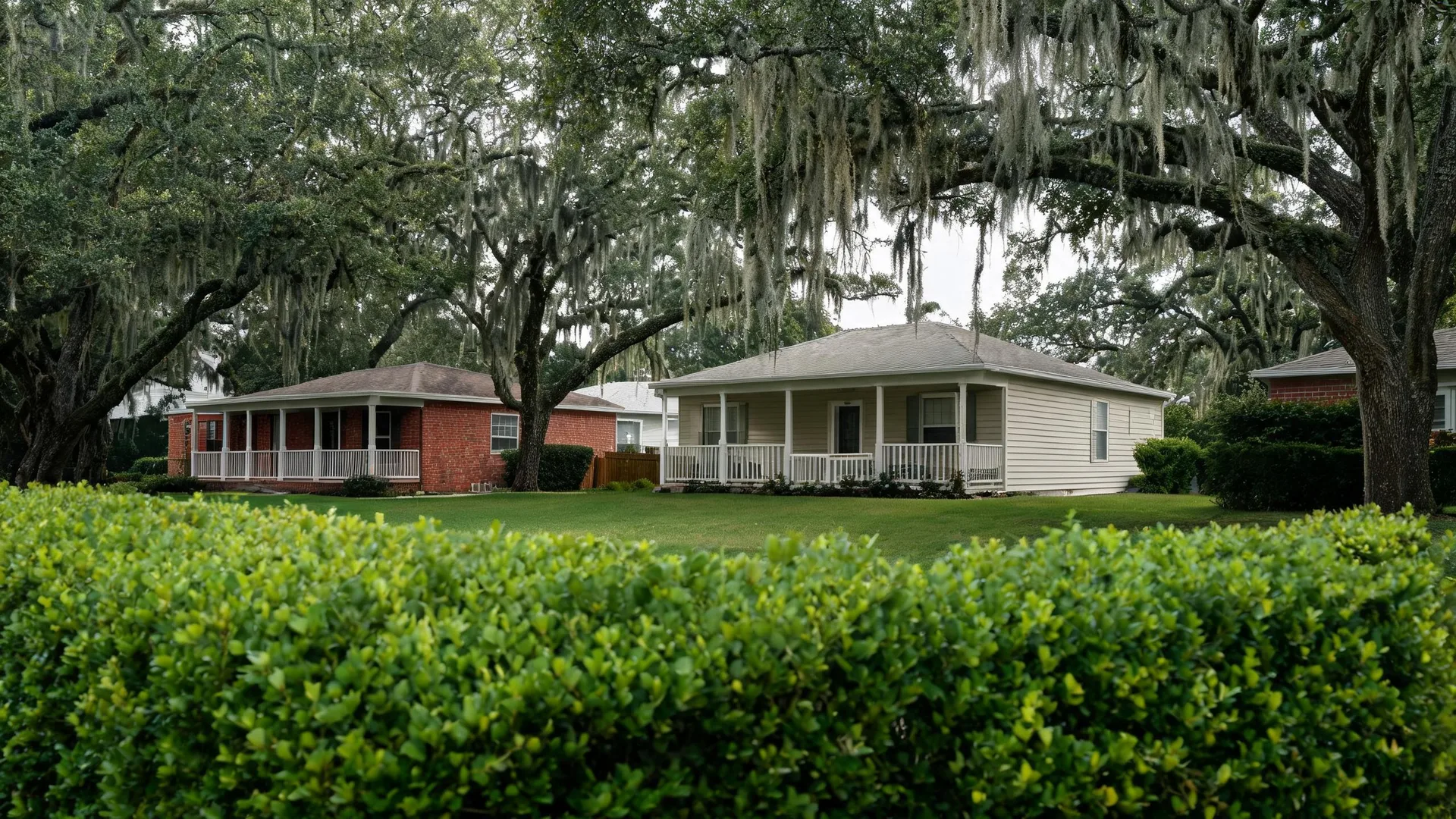
Half the homes in Baxter County were built in 1985 or later. If your house is one of them, the AC likely isn't old just because the house has been there a while. A newer system has fewer years of wear on the compressor and the control board, and those are the parts that end a unit's life when they fail. So if something's acting up on a newer system, it's worth having a contractor look at before assuming it's not worth fixing. Mobile homes make up a share of the housing here too, and their equipment and duct runs can differ from a site-built house, so what's true for one isn't always true for the other.
If hail or wind came through recently, have a contractor look at the outdoor unit even if the AC is still running. Bent fins and dented coils don't always stop a unit right away, but they keep it from working the way it should.
Find a contractor
That matters for how a contractor treats a repair call. On a system that came with a newer house, a bad capacitor or a stuck contactor is just a part to swap, not a sign the whole unit is done. Ask what's actually failed before you let anyone talk replacement. If the compressor and the board are fine, there's usually no reason a repair shouldn't hold for years.
When airflow is low or the charge is off, the compressor works harder to do the same job. It runs hotter than it should. A compressor that's overheating over and over is a compressor getting closer to seizing for good.
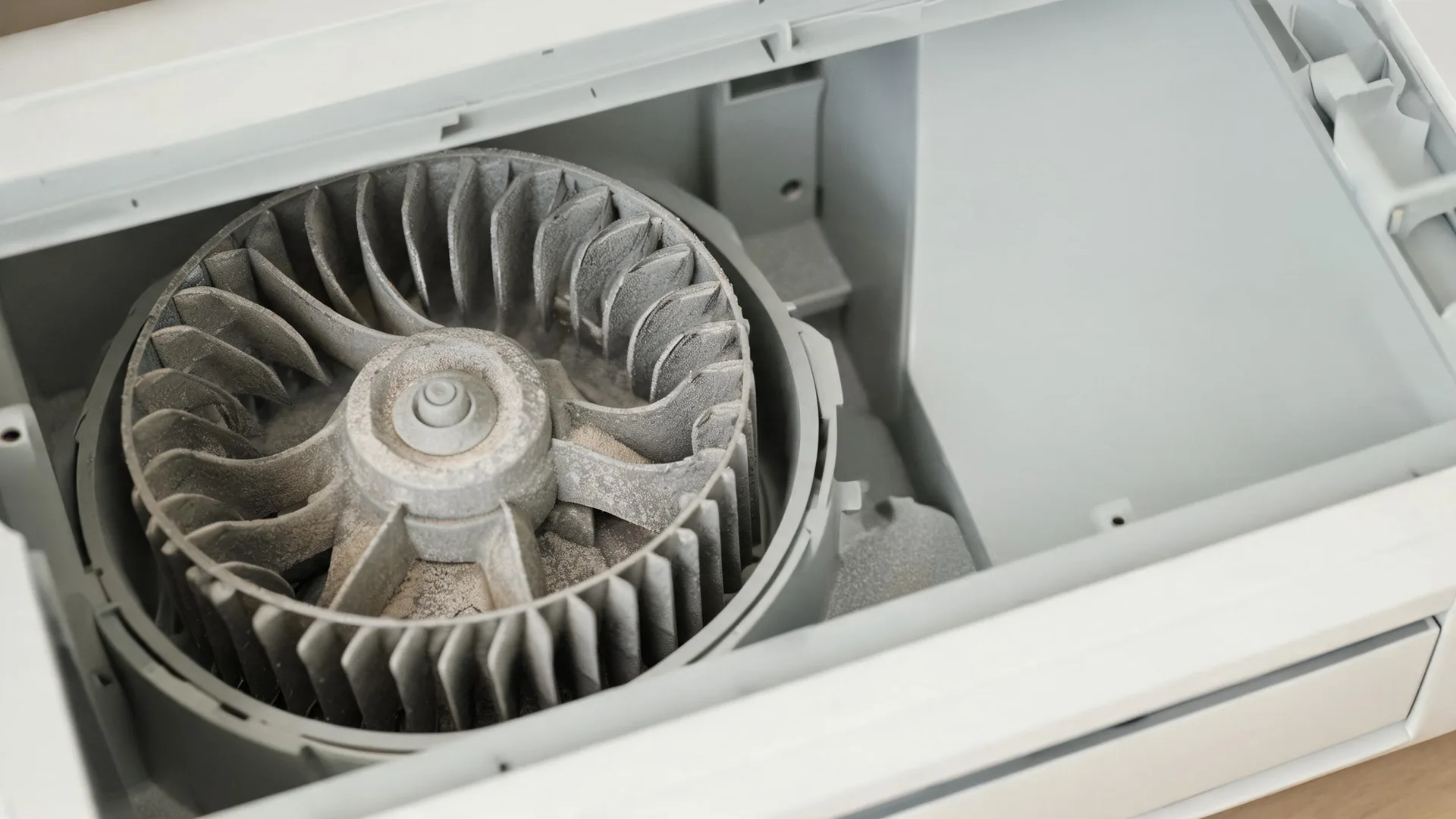
A dirty filter or low airflow can let the coil get cold enough to frost. Once ice forms, it blocks airflow further, so more ice forms. Left running, that ice can melt and put water where it shouldn't be, or the compressor can end up pulling in liquid refrigerant instead of gas, which is the kind of damage that doesn't fix itself.
Estimates for a typical Baxter County home, compared with an older unit built to the previous federal minimum, from EIA household energy data, Arkansas fuel prices and NOAA climate normals. Your home will differ.
Repair makes sense when a part like a capacitor or contactor has failed.
Replacement makes sense when the compressor has failed or the system uses R-22 refrigerant, which is no longer made.
A diagnostic call starts outside at the unit itself. A contractor checks the capacitor and contactor first, since those fail often and are easy to test. From there it comes down to readings. The refrigerant charge, the temperature of the air coming off the coil, the amp draw on the compressor while it's running. Low airflow shows up fast, so the filter and the blower get checked too. What those readings show decides whether the fix is a part swap or something bigger.