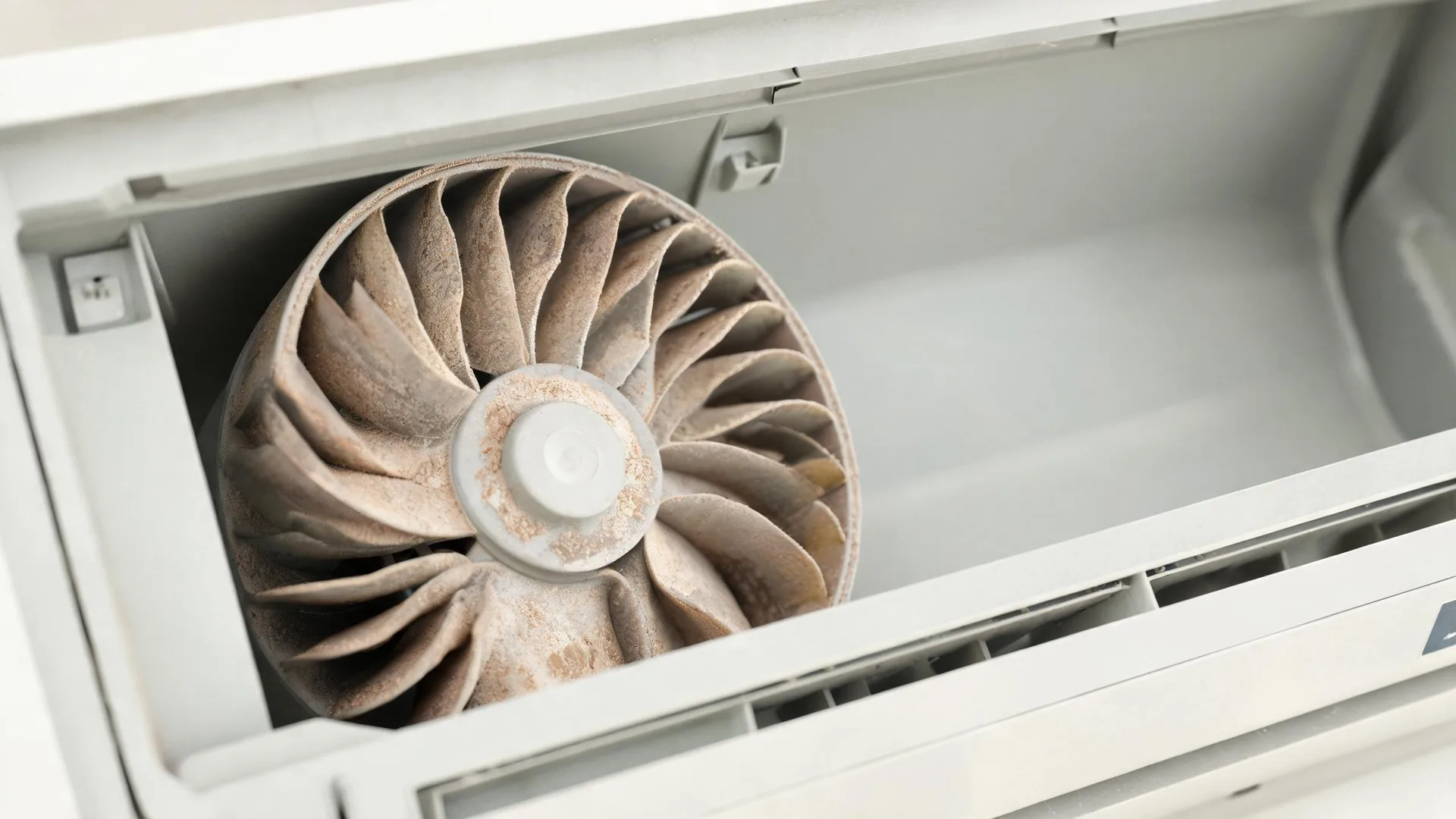
Five months of running hard
Dardanelle homes run their AC from May through September. That's five months of the system working most days, not just on the occasional hot afternoon.

Takes about a minute. No obligation.
Dardanelle homes run their AC from May through September. That's five months of the system working most days, not just on the occasional hot afternoon.
June through August, the afternoon high here averages 91°F. An AC pushing against that heat all summer wears its parts sooner, so when something breaks down, those long hot months are usually part of the reason.
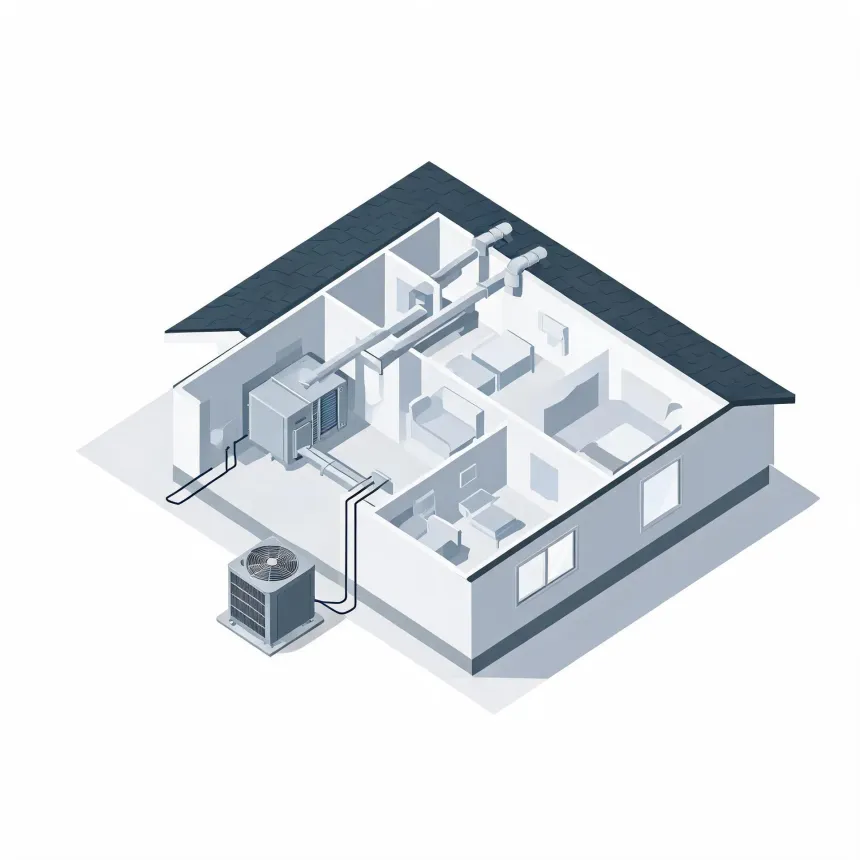
NOAA nClimDiv, 1991–2020 normals
AC season in Dardanelle starts in May.
April is when a weak capacitor or low charge gets found before the first hot week asks too much of it.



Yell County saw 66 severe weather events over the last ten years, most of it damaging wind. None of that is what wears out an AC. Wind and hail show up in the yard and the roof, not in the compressor or the capacitor. What ages this system is the heat load it runs against every summer, storm or no storm. So when an AC here breaks down, the cause is almost always ordinary. A capacitor giving out. A low charge. A part that has logged another hot season. Nothing about the storms changes what a technician checks first.
A unit that runs five months a year against 91 degree afternoons wears its parts sooner than most. When one breaks down, get it properly diagnosed before it gets patched over. That's what makes the fix last through the rest of the summer.
Find a contractorA system low on refrigerant will keep running, but the compressor still tries to pump a full cycle with less gas to carry the heat. That makes it run hotter than it was built to. Keep it going in that state and the compressor windings are what give out. A weak capacitor causes a similar chain of events. It makes the compressor or fan motor strain to start, and every hard start heats the motor windings a little more than the last one. Eventually the motor fails instead of the capacitor that was stressing it. Even a dirty filter follows the same pattern. Restricted airflow lets the evaporator coil get too cold and ice over, and a technician called out for no cooling may find a block of ice on the coil instead of a simple fix. None of these start out serious. They get that way because the system kept running on a part that was already failing.
Check the thermostat is set to cool and the temperature is actually below room temperature. Look at the breaker box for a tripped breaker. Go outside and see if the outdoor unit is running at all, and if the fan inside is pushing air, even if it's not cold. Check the air filter. A filter packed with dirt chokes the airflow and can shut the whole system down as a safety response.
Don't pull the access panel off the outdoor unit or touch anything inside it. The capacitor in there holds a charge even with the power off. If the system is blowing warm air, resist the urge to add refrigerant or spray anything into the lines. A low charge means a leak somewhere, and adding to it without fixing the leak just delays the same call.
Estimates for a typical Yell County home, compared with an older unit built to the previous federal minimum, from EIA household energy data, Arkansas fuel prices and NOAA climate normals. Your home will differ.
Repair makes sense when a part like a capacitor or contactor has failed.
Replacement makes sense when the compressor has failed or the system uses R-22 refrigerant, which is no longer made.
A diagnostic starts outside at the condenser, listening to whether the compressor and fan are running the way they should. The technician checks the capacitor and the contactor first, since those fail often and are quick to test. From there they check refrigerant pressure on the gauges, which tells them if the charge is correct or if there's a leak somewhere in the line. Inside, they'll look at the evaporator coil and the airflow coming off it, because a coil iced over or a filter choked with dirt can mimic a refrigerant problem without being one. The point of the visit is to find the actual cause before anything gets replaced, so the fix holds instead of masking the symptom for a few weeks.